The Complete Cat Care Resource
20 veterinary-reviewed guides covering nutrition, health, behavior, and gear — organized by topic so you can find exactly what you need.
Getting Started
4 articles
The Ultimate New Cat Checklist: Everything You Need on Day One
From litter boxes to scratching posts, here's the complete list of must-have items to welcome your new cat or kitten home with confidence.

How to Kitten-Proof Your Home: Room-by-Room Safety Guide
Kittens are fearless explorers. Learn how to secure electrical cords, remove toxic plants, and create a safe home base for your curious new arrival.

Choosing the Perfect Cat Carrier for Vet Visits & Travel
The right carrier reduces stress for both you and your cat. Tips for selecting carriers that prioritize safety, comfort, and easy cleaning.

Introducing Your New Cat to Other Pets: The Slow-Introduction Protocol
Rushed introductions cause lasting territorial conflicts. Learn the veterinary-backed step-by-step method for peaceful multi-pet households.
Cat Nutrition
6 articles
Wet vs. Dry Cat Food: Which Is Better for Your Cat's Health?
Both formats have advantages. Wet food boosts hydration while dry food supports dental health. Here's how to choose — or combine — for optimal nutrition.

How to Safely Transition Your Cat's Food: The 7–10 Day Guide
Abrupt food changes cause vomiting and diarrhea in most cats. Follow this veterinary-recommended gradual transition protocol to avoid digestive upset.

What Are Natural Cat Foods? Labels, Ingredients & AAFCO Standards
Natural, organic, holistic — these marketing terms mean different things. Learn how to read labels, identify real protein, and spot misleading claims.
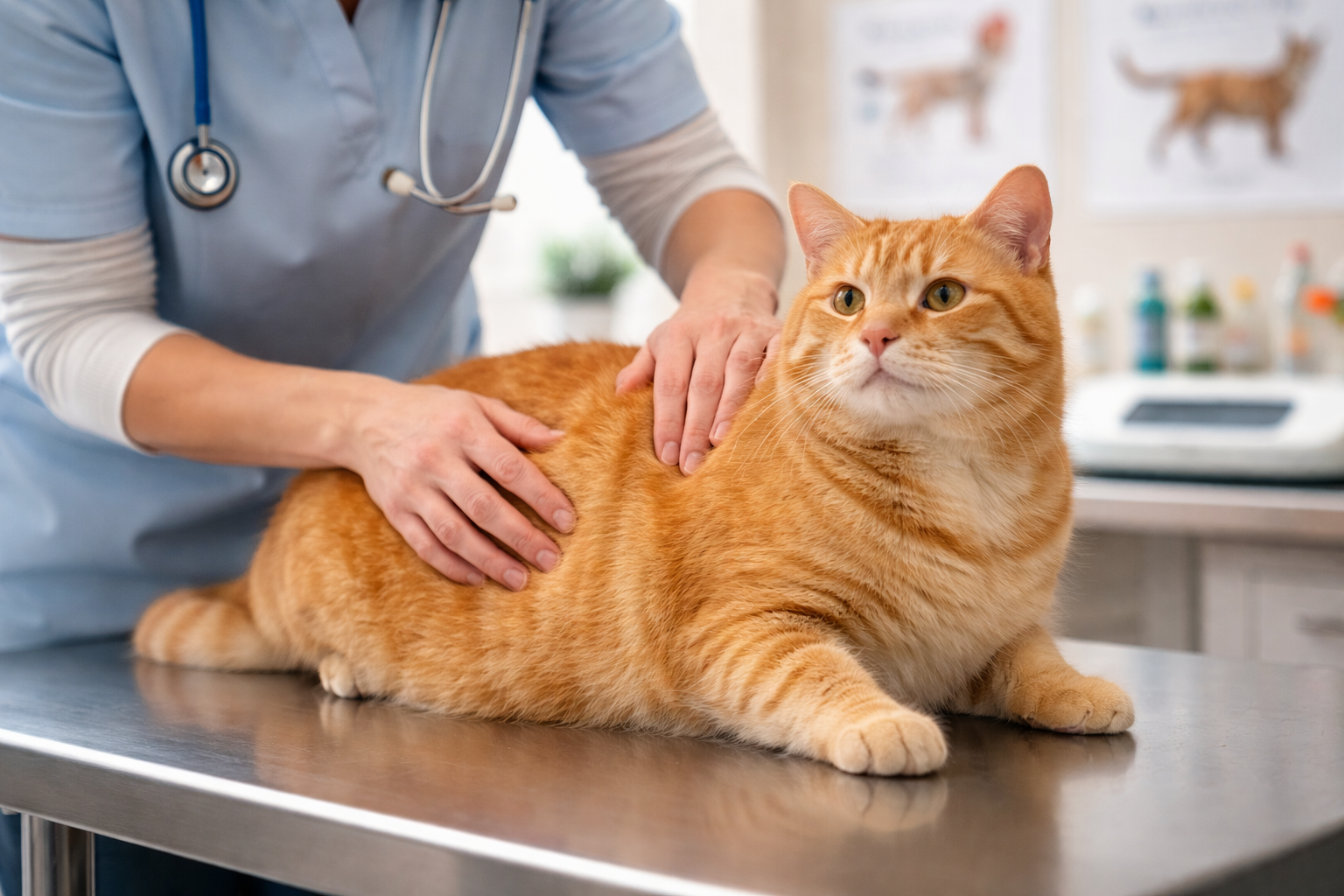
Managing Your Cat's Weight: Portion Control, BCS & Safe Loss Plans
61% of U.S. cats are overweight. Learn to assess body condition, calculate exact calorie needs, and create a vet-approved weight management plan.

Diets for Cats with Hairball Issues: Fiber, Grooming & Prevention
Hairballs are common but not inevitable. Specialized fiber-rich foods and regular grooming can significantly reduce their frequency and severity.

The Benefits of Probiotics for Cats: Gut Health, Immunity & Digestion
Probiotics support digestive health, immune function, and nutrient absorption in cats. Here's what the science says and which strains actually work.
Cat Health & Wellness
5 articles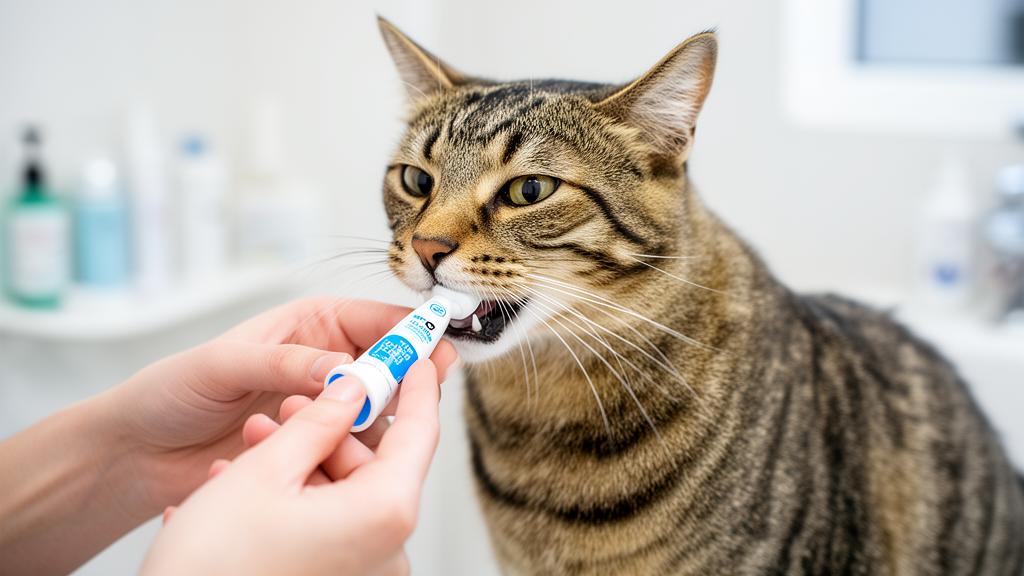
Cat Teeth Cleaning: Preventing Gingivitis & Dental Disease at Home
70% of cats show signs of dental disease by age 3. Daily brushing reduces plaque by 76%. Here's the complete at-home dental care protocol for cats.

Cat Vaccinations 101: Core & Lifestyle Vaccines Every Owner Should Know
FVRCP, rabies, FeLV — understanding which vaccines your cat needs and when can prevent deadly diseases. The complete 2026 vaccination schedule explained.

Flea & Tick Prevention for Cats: Products, Safety & Indoor Risks
Even indoor cats are at risk. Learn which prevention products are safe for cats (many dog products are toxic to felines) and how to maintain year-round protection.

What to Expect at the Vet: Preparing for Your Cat's Checkup
Tips for reducing stress before, during, and after veterinary visits. Learn what happens at bi-annual checkups and how to communicate effectively with your vet.

Understanding Cat Food Sensitivities: Signs, Testing & Novel Proteins
Itchy skin, vomiting, and chronic diarrhea may signal food sensitivities. Learn how elimination diets work and which novel proteins help identify triggers.
Behavior & Enrichment
3 articles
How to Stop Your Cat from Scratching Furniture: Redirection & Prevention
Scratching is a natural feline need, not misbehavior. Understanding why cats scratch — and providing proper alternatives — saves your furniture without stress.
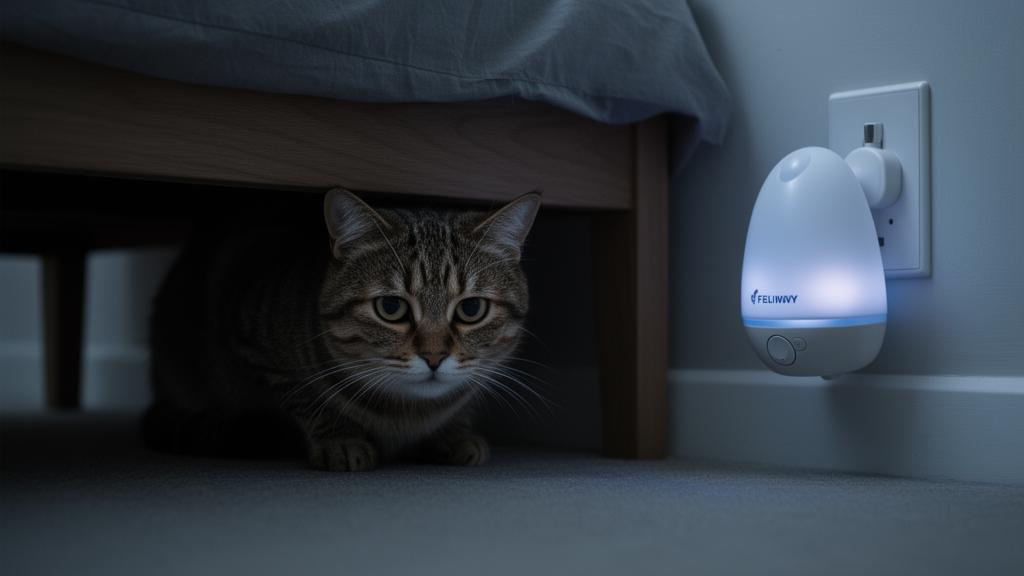
Helping a Stressed or Anxious Cat: Triggers, Pheromones & Safe Zones
Cats are masters at hiding stress. Learn to identify environmental triggers and use calming pheromones, vertical space, and safe zones to soothe anxiety.

Indoor vs. Outdoor Cats: Pros, Cons & Safety Measures in 2026
Indoor cats live 10–15 years longer on average. But outdoor access enriches their lives. Here's how to weigh the risks and create safe outdoor experiences.
Lifestyle & Gear
2 articles
Choosing the Best Cat Bed: Caves, Perches & Heated Options Compared
Cats sleep 12–16 hours daily. The right bed matches their sleeping style — heated for seniors, elevated for observers, and enclosed for anxious cats.

Simplifying Cat Care: Subscription Services & Auto-Delivery Tips
Never run out of litter or food again. How auto-delivery services save time, money, and reduce the stress of last-minute shopping trips.