61% of cats in the United States are classified as overweight or obese according to the Association for Pet Obesity Prevention, making it the most common nutritional disorder in companion animals. Excess weight increases a cat's risk of diabetes mellitus by 4×, significantly accelerates osteoarthritis, and is linked to urinary tract disease, hepatic lipidosis, and reduced lifespan.
How Do You Assess Your Cat's Body Condition?
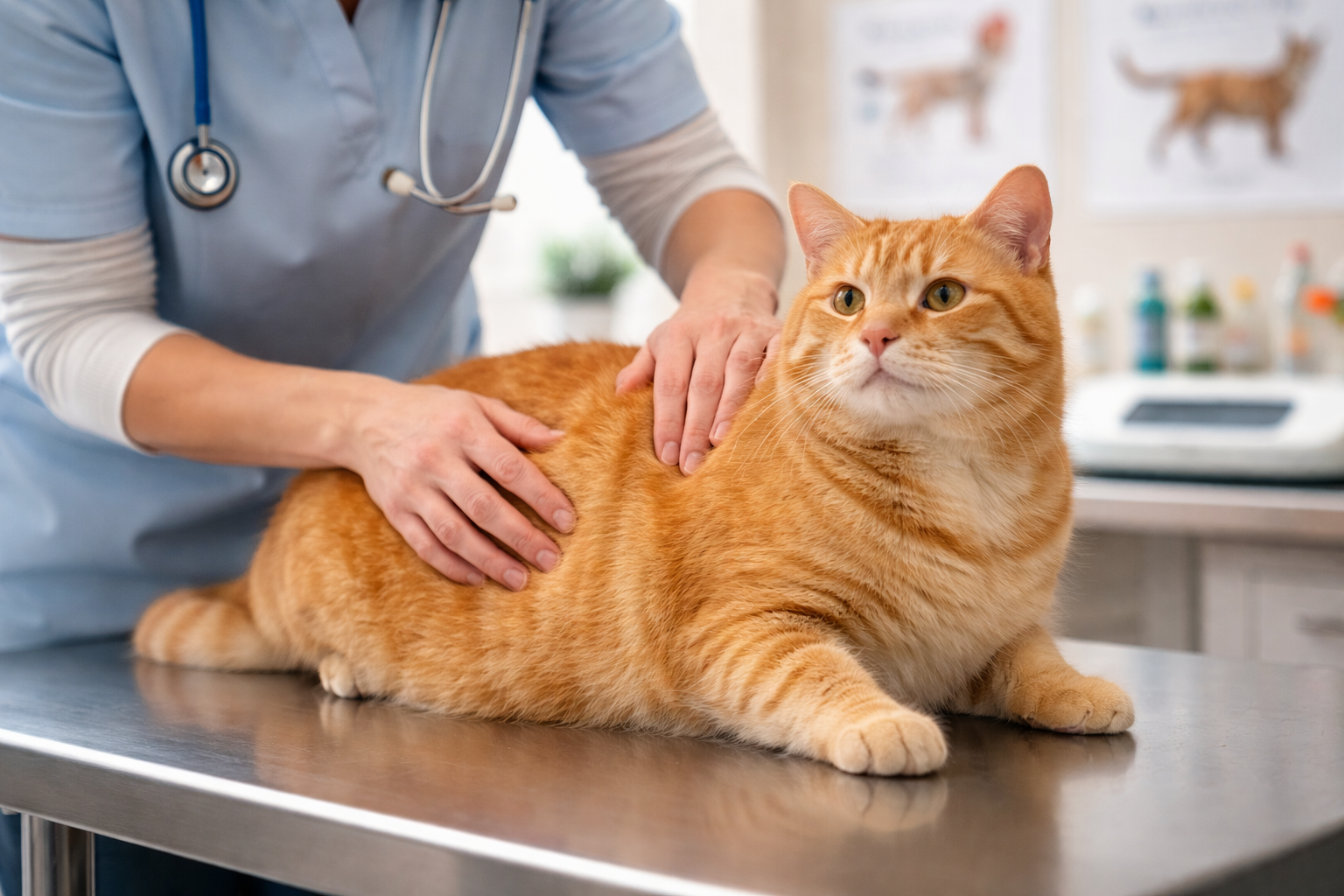
The Body Condition Score (BCS) is a 9-point scale used by veterinarians worldwide. An ideal score is 4–5 out of 9:
- Ribs — Easily felt with light pressure but not visible
- Waist — Visible when viewed from above
- Belly tuck — Abdomen tucks up when viewed from the side
How Many Calories Does Your Cat Need?
| Cat Type | Calories/lb/day | 10-lb Cat Example |
|---|---|---|
| Indoor, neutered | 20 cal/lb | ~200 cal/day |
| Active/outdoor | 25–30 cal/lb | ~250–300 cal/day |
| Weight loss | 15–18 cal/lb | ~150–180 cal/day |
What Are the Risks of Rapid Weight Loss in Cats?
- Hepatic lipidosis — Fat mobilizes to the liver during rapid weight loss, potentially causing fatal liver failure
- Muscle loss — Too-aggressive calorie restriction burns muscle instead of fat
- Nutrient deficiencies — Severely restricted diets may lack essential amino acids like taurine
Safe weight loss is 1–2% of body weight per week. Always work with your veterinarian to create a supervised weight loss plan.
Recommended Product: Automatic Cat Feeder
Maintain Consistent Portions with an Automatic Feeder
Automatic feeders help maintain consistent feeding schedules and portion control — critical for weight management. Programmable models allow you to schedule multiple meals daily, preventing overeating and boredom-based grazing.

PETLIBRO Automatic Cat Feeder with Timer

Cat Mate C500 Digital 5-Meal Feeder
As an Amazon Associate, we may earn from qualifying purchases. Prices and availability are subject to change.