Cats spend up to 50% of their waking hours grooming, ingesting significant amounts of loose fur that can form hairballs (trichobezoars) in the stomach. While occasional hairballs are normal, frequent episodes may indicate dietary deficiencies, excessive shedding, or underlying gastrointestinal issues. Research published in the Journal of Feline Medicine and Surgery confirms that fiber-enriched diets combined with regular grooming reduce hairball frequency by up to 50%.
Why Do Cats Get Hairballs?
Cats have backward-facing barbs (papillae) on their tongues that efficiently catch loose fur during grooming. This hair is typically passed through the digestive tract without issue. Hairballs form when hair accumulates faster than it can pass — especially in cats that groom excessively, have long coats, or have slow GI motility.
According to the Cornell Feline Health Center, several factors increase hairball risk:
- Coat length — Long-haired breeds (Persian, Maine Coon, Ragdoll) ingest more fur per grooming session
- Over-grooming — Stress, boredom, or skin conditions cause excessive self-grooming (psychogenic alopecia)
- Age — Adult and senior cats develop more efficient grooming habits, ingesting more hair than kittens
- GI motility issues — Inflammatory bowel disease (IBD) or megacolon slows hair transit through the digestive tract
How Do Hairball-Control Diets Work?
Hairball-control formulas use a multi-mechanism approach to reduce hair accumulation in the stomach. The AAFCO (Association of American Feed Control Officials) requires that any product marketed for hairball control must demonstrate efficacy, and the best formulas combine three key strategies:
- Increased fiber content (8–12%) — Psyllium and cellulose provide bulk that moves hair through the digestive tract rather than allowing it to accumulate
- Omega-3 and omega-6 fatty acids — Improve skin barrier function and coat health, reducing excess shedding at the source
- Prebiotics and probiotics — Support gut motility, healthy digestion, and regular bowel movements that help clear ingested hair
- Controlled protein and fat levels — High-quality protein supports healthy coat growth while appropriate fat levels enhance palatability without excess calories
What Fiber Types Are Most Effective for Hairball Prevention?
Not all fiber is equal when it comes to hairball control. Understanding the difference between soluble and insoluble fiber helps owners choose the most effective diet:
| Fiber Source | Type | Mechanism | Effectiveness |
|---|---|---|---|
| Psyllium husk | Soluble | Forms gel that coats and moves hair through GI tract | High |
| Cellulose | Insoluble | Adds bulk to stool, sweeping hair through intestines | High |
| Beet pulp | Mixed | Moderately fermentable; supports gut motility | Moderate |
| Inulin / FOS | Prebiotic | Feeds beneficial gut bacteria; improves transit time | Moderate |
| Pumpkin | Mixed | Natural fiber and moisture; gentle on digestion | Mild |
What Grooming Routine Prevents Hairballs?
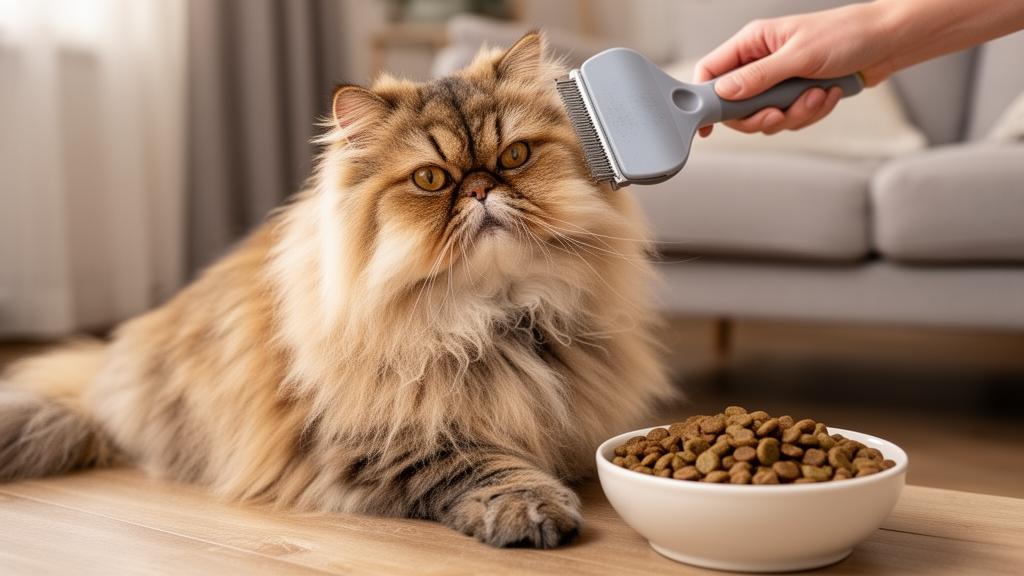
The American Association of Feline Practitioners (AAFP) identifies regular grooming as the single most effective non-dietary intervention for hairball prevention. Removing loose fur before ingestion directly reduces the raw material for hairball formation.
| Coat Type | Brushing Frequency | Best Tools | Key Breeds |
|---|---|---|---|
| Short-haired | 1–2× per week | Rubber brush, bristle brush | Siamese, British Shorthair, Abyssinian |
| Medium-haired | 3–4× per week | Slicker brush, comb | American Shorthair, Bengal, Tonkinese |
| Long-haired | Daily | Wide-tooth comb, de-matting tool | Persian, Maine Coon, Ragdoll |
Recommended Product: Cat Deshedding Brush
Reduce Hairballs with Regular Deshedding
Regular brushing removes loose fur before your cat ingests it during grooming, directly reducing hairball formation. Deshedding brushes safely remove undercoat hair without damaging skin or topcoat.

Aumuca Self-Cleaning Slicker Brush for Dogs & Cats — Gentle Deshedding & Grooming Tool

Swihauk Self Cleaning Slicker Brush — Deshedding Grooming Tool for Dogs & Cats

SunGrow Dog and Cat Deshedding Brush — 4" Steel Blade
As an Amazon Associate, we may earn from qualifying purchases. Prices and availability are subject to change.
What Role Does Hydration Play in Hairball Prevention?
Adequate water intake is a frequently overlooked factor in hairball management. Well-hydrated cats have more efficient GI motility, which helps move ingested hair through the digestive tract before it can clump. The AVMA (American Veterinary Medical Association) recommends that cats consume approximately 4 ounces of water per 5 pounds of body weight daily.
- Feed wet food — Wet food (70–80% moisture) significantly increases daily water intake compared to dry kibble (6–10%)
- Provide a water fountain — Many cats prefer running water; fountains can increase water consumption by 30–50%
- Multiple water stations — Place bowls in different locations away from food and litter boxes
Can Environmental Enrichment Reduce Hairballs?
Yes. The AAFP recognizes that boredom and stress are major drivers of over-grooming (displacement behavior), which directly increases hairball frequency. A 2024 study in the Journal of Veterinary Behavior found that environmental enrichment reduced self-grooming time by 20–30% in indoor cats.
- Interactive play — 15–20 minutes of structured play daily redirects grooming energy
- Puzzle feeders — Mental stimulation reduces stress-related over-grooming
- Vertical space — Cat trees and shelves provide territory and reduce anxiety in multi-cat homes
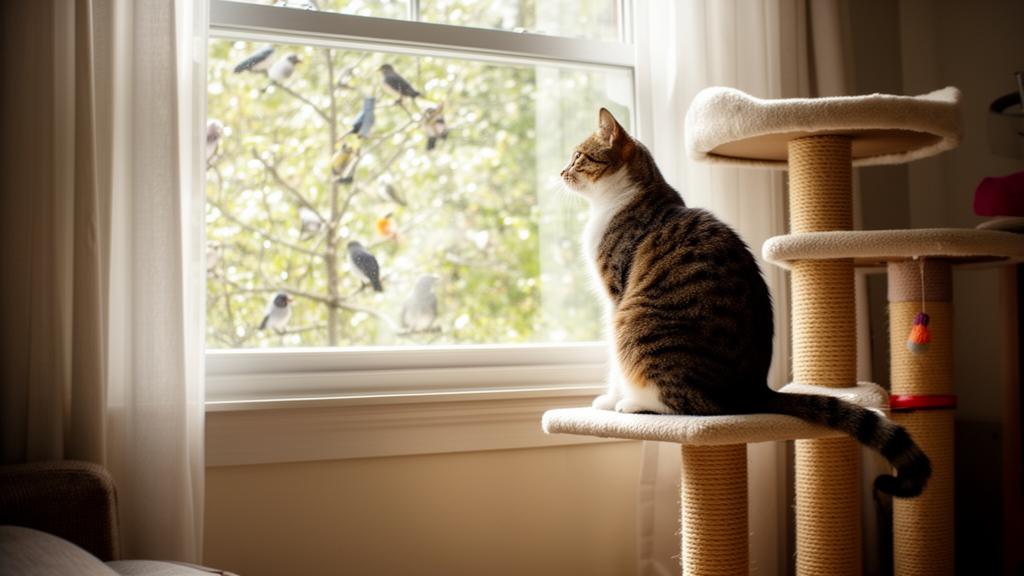
- Window perches — Visual stimulation from watching birds and outdoor activity reduces boredom
When Are Hairballs a Medical Emergency?
Warning Signs Requiring Veterinary Attention
The AVMA advises seeking immediate veterinary care if your cat shows any of these symptoms, as they may indicate a gastrointestinal obstruction:
- Repeated retching or gagging without producing a hairball
- Complete loss of appetite lasting more than 24 hours
- Lethargy, abdominal pain, or distended belly
- Constipation or diarrhea persisting beyond 48 hours
- More than 2 hairballs per month (chronic pattern)
What Does a Complete Hairball Prevention Protocol Look Like?
Veterinary dermatologists and the Cornell Feline Health Center recommend a multi-layered approach for cats with chronic hairball issues. A 2026 clinical consensus suggests combining dietary, grooming, and environmental strategies for optimal results:
| Strategy | Action | Expected Impact |
|---|---|---|
| Diet | Switch to hairball-control formula (8–12% fiber) | 30–50% reduction in hairball frequency |
| Grooming | Brush per coat-type schedule (see table above) | 25–40% less ingested hair |
| Hydration | Incorporate wet food + water fountain | Improved GI transit time |
| Enrichment | Daily play + puzzle feeders + vertical space | 20–30% less over-grooming |
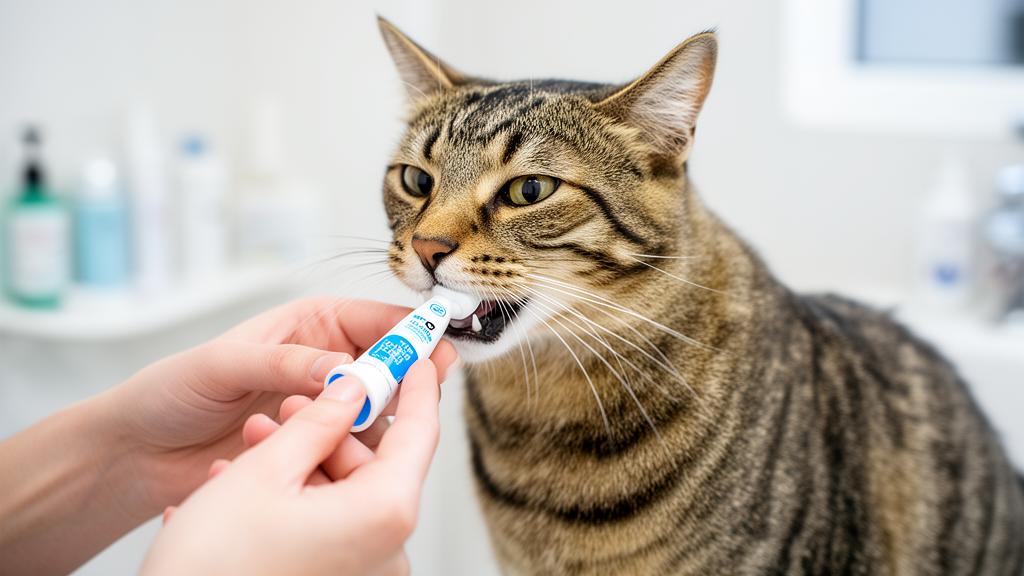
| Supplements | Omega-3 oil or hairball gel (as directed by vet) | Healthier coat, lubricated GI tract |
Which Breeds Are Most Prone to Hairballs?
While any cat can develop hairballs, certain breeds are significantly more susceptible due to coat characteristics and grooming behavior. The AKC and breed-specific registries identify the following as high-risk:
- Persian — Dense, double-layered coat with fine undercoat that sheds continuously
- Maine Coon — Long, water-resistant coat with heavy seasonal shedding
- Ragdoll — Semi-long silky coat that mats easily without regular brushing
- Himalayan — Persian-type coat combined with high grooming frequency
- Norwegian Forest Cat — Thick, double-layered coat adapted for cold climates
Related Guides
- Wet vs. Dry Cat Food: Which Is Better?
- Managing Your Cat's Weight
- Understanding Cat Food Sensitivities
- The Benefits of Probiotics for Cats
- How to Help a Stressed or Anxious Cat
- Indoor vs. Outdoor Cats: Health Considerations