Chronic stress in cats weakens the immune system and directly causes Feline Idiopathic Cystitis (FIC), a painful bladder condition affecting up to 65% of cats with lower urinary tract signs. The Cornell Feline Health Center emphasizes that environmental modification — not punishment — is the foundation of feline anxiety management, with synthetic pheromones and safe zones as first-line interventions.
What Are the Signs of Stress in Cats?
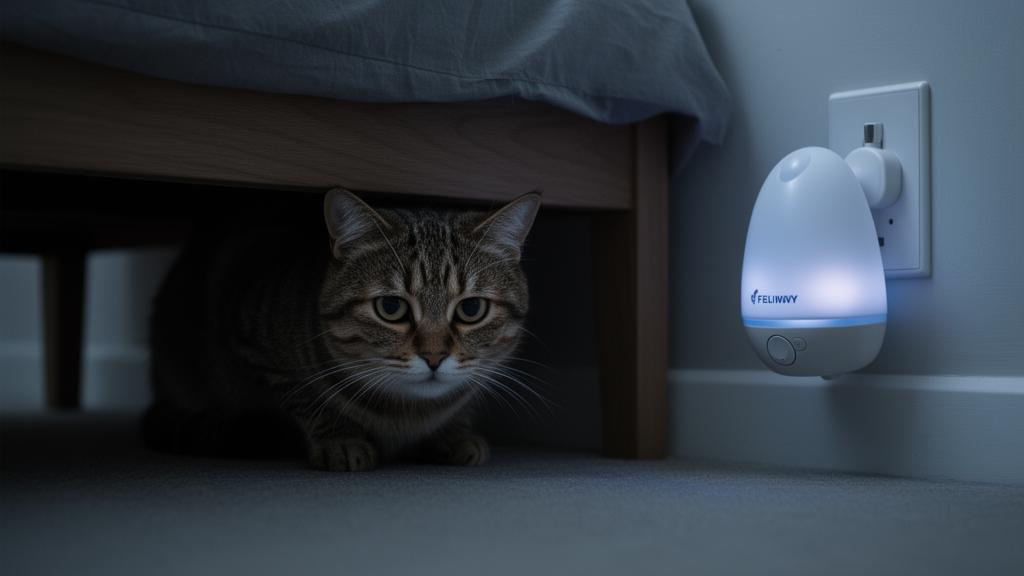
- Hiding — More frequent or prolonged hiding in unusual spots
- Over-grooming — Excessive licking creating bald patches, especially on the belly
- Litter box avoidance — Urinating or defecating outside the box
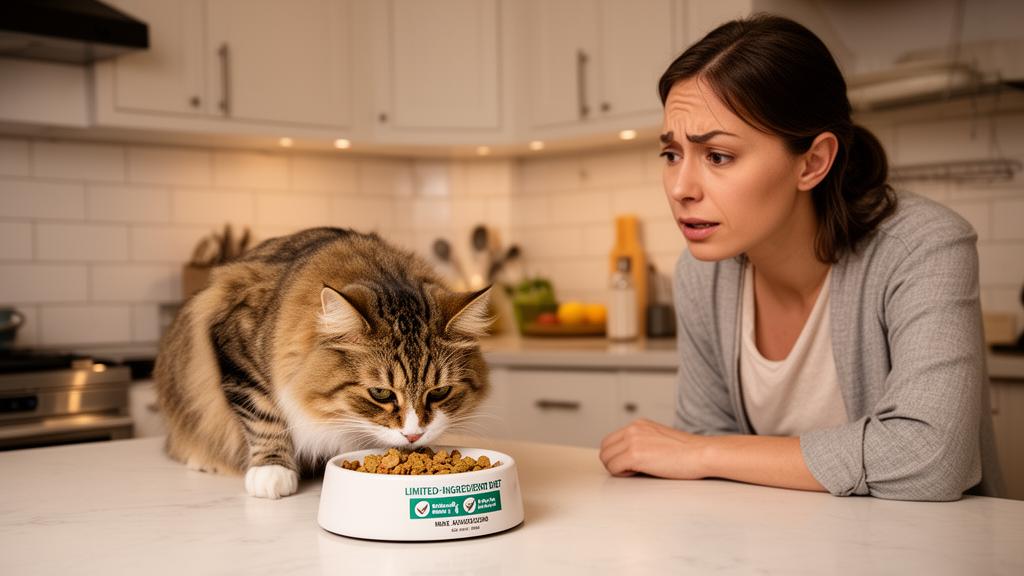
- Appetite changes — Eating less or refusing food entirely
- Aggression — Swatting, biting, or hissing at people or other pets
How Do You Create Safe Zones for an Anxious Cat?
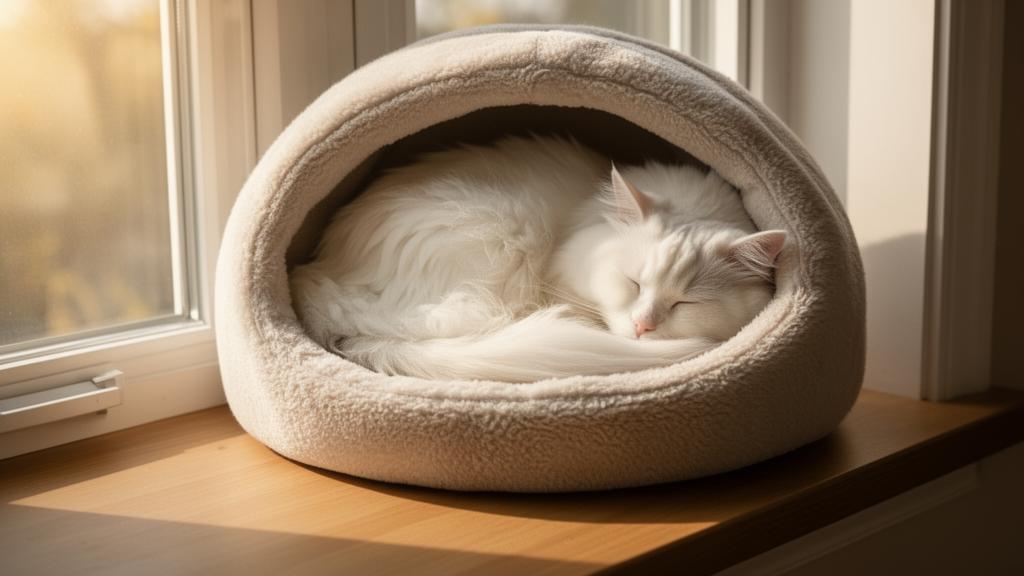
Every cat needs at least one "safe zone" — a space they can retreat to without interruption. This should include:
- An enclosed hiding spot (cat cave, covered bed, or cardboard box)
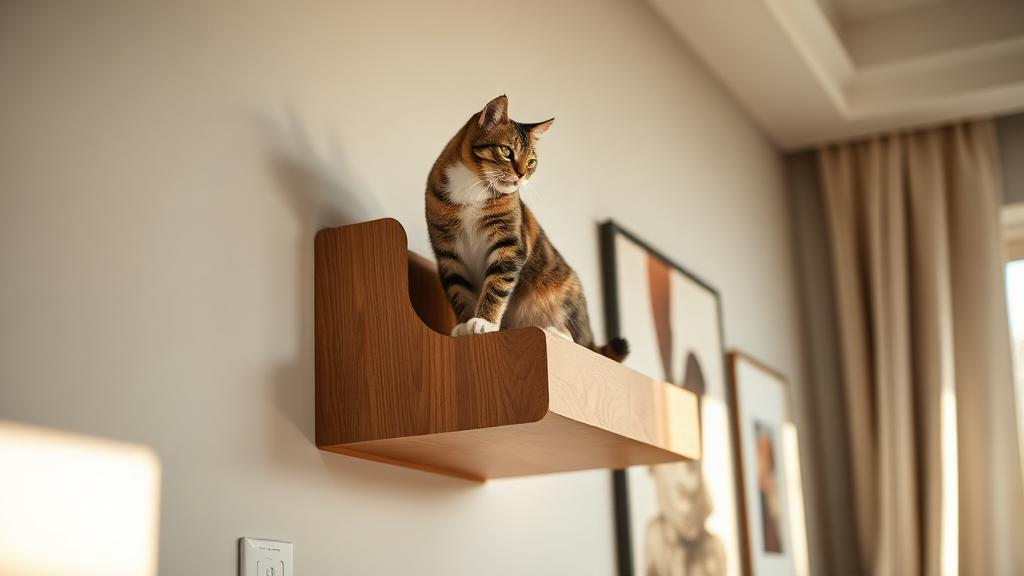
- Elevated perches for vertical escape (cats feel safer up high)
- A Feliway diffuser in the safe zone area
- Quiet location away from high-traffic areas
When Should You See a Veterinarian?
Consult your vet if anxiety persists beyond 2–3 weeks of environmental modification, if your cat stops eating, develops urinary issues, or shows aggression. Medical causes (hyperthyroidism, pain, cognitive decline) must be ruled out before a behavioral diagnosis.
Recommended Product: Interactive Cat Toys
Reduce Anxiety Through Play & Enrichment
Cats need mental stimulation to prevent boredom and reduce stress-related behaviors. Interactive toys mimic hunting behavior, encouraging exercise and mental engagement — key components of feline anxiety management.

MOHAYA Interactive Cat Toy — Electronic Fluttering Butterfly

Potaroma Flopping Fish Cat Toy with Catnip

SmartyKat Electronic Motion Cat Toy
As an Amazon Associate, we may earn from qualifying purchases. Prices and availability are subject to change.
Related Guides
- Stop Furniture Scratching
- Indoor vs. Outdoor Cats
- Catification & Environmental Design
- Separation Anxiety in Pets