Why Has Separation Anxiety Become a Post-Pandemic Crisis?
The pandemic created an unprecedented experiment in canine attachment. For two to three years, millions of dogs experienced near-constant human companionship—many having never known any other reality. Puppies adopted during lockdown periods grew into adult dogs with zero experience being alone.
The return-to-office transition shattered this baseline. A 2025 survey revealed that 61% of pet owners cite separation anxiety as their primary behavioral concern, with 72% reporting stress when leaving their pets alone. Veterinary behaviorists report that separation anxiety now accounts for 20–40% of all behavioral referrals—a figure that has roughly doubled since 2019.
The Scale of the Problem
| Metric | Pre-Pandemic (2019) | Post-Pandemic (2025) |
|---|---|---|
| Owners citing SA as top concern | ~35% | 61% |
| Behaviorist referral rate for SA | 10–20% | 20–40% |
| Owners stressed about leaving pets | ~40% | 72% |
| Dogs surrendered due to SA | ~8% of surrenders | ~15% of surrenders |
What Are the Most Effective Desensitization Steps for Dogs with Separation Anxiety?
The gold-standard treatment is Below-Threshold Desensitization and Counter-Conditioning (DS/CC). The critical insight—and what most online advice gets wrong—is that the process must begin below the dog's panic threshold, not at the point of visible distress.
Why "Below-Threshold" Matters
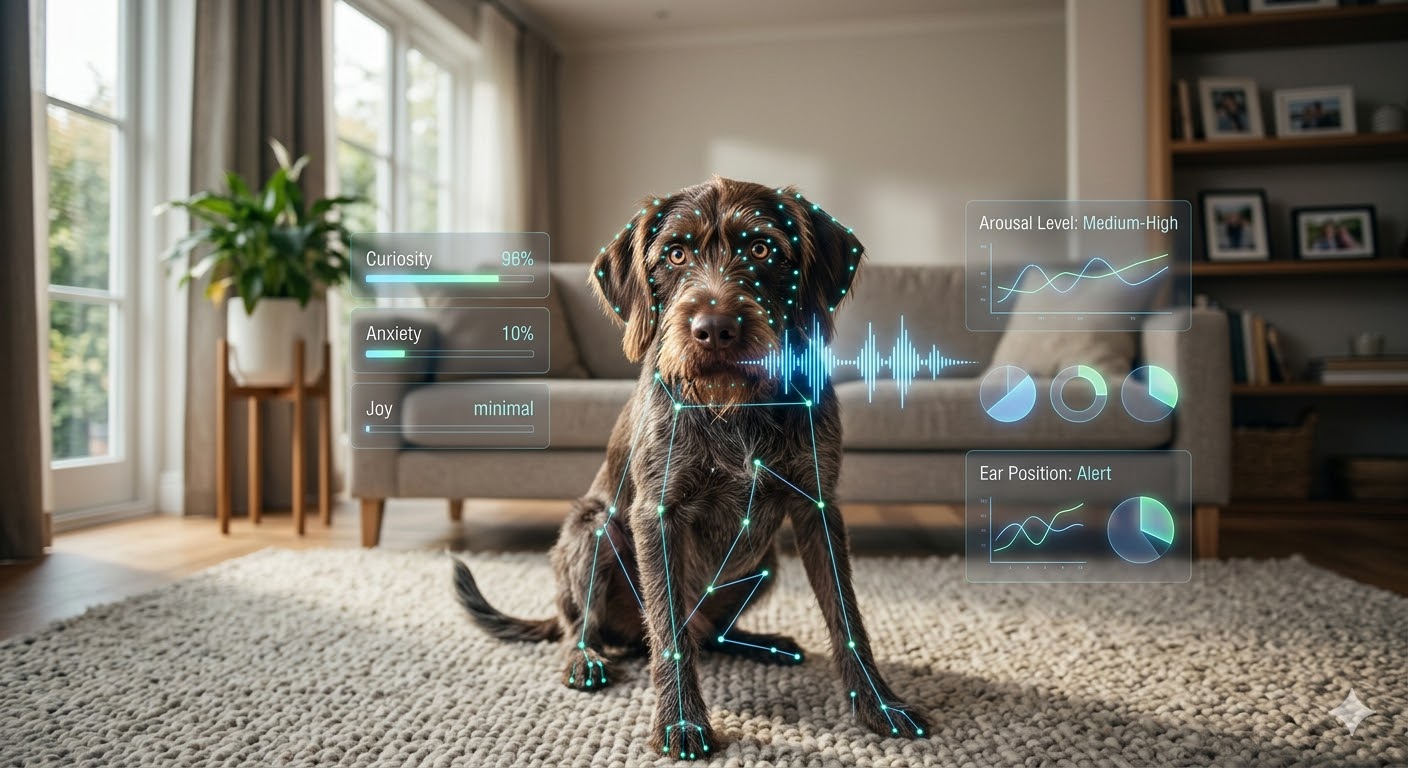
Separation anxiety is not a training problem—it's a panic disorder. When a dog with clinical SA is left alone past its threshold, the sympathetic nervous system activates a full fight-or-flight cascade: cortisol surges, heart rate spikes, and the amygdala essentially "locks" the brain into survival mode. No learning can occur in this state.
This is why the common advice of "just leave and they'll get used to it" is not only ineffective—it's actively harmful. Each panic episode sensitizes the dog, making future episodes more severe and easier to trigger. It is the behavioral equivalent of treating a phobia by locking someone in a room with the thing they fear.
The Below-Threshold DS/CC Protocol
This protocol, endorsed by the American College of Veterinary Behaviorists (ACVB), follows a structured progression:
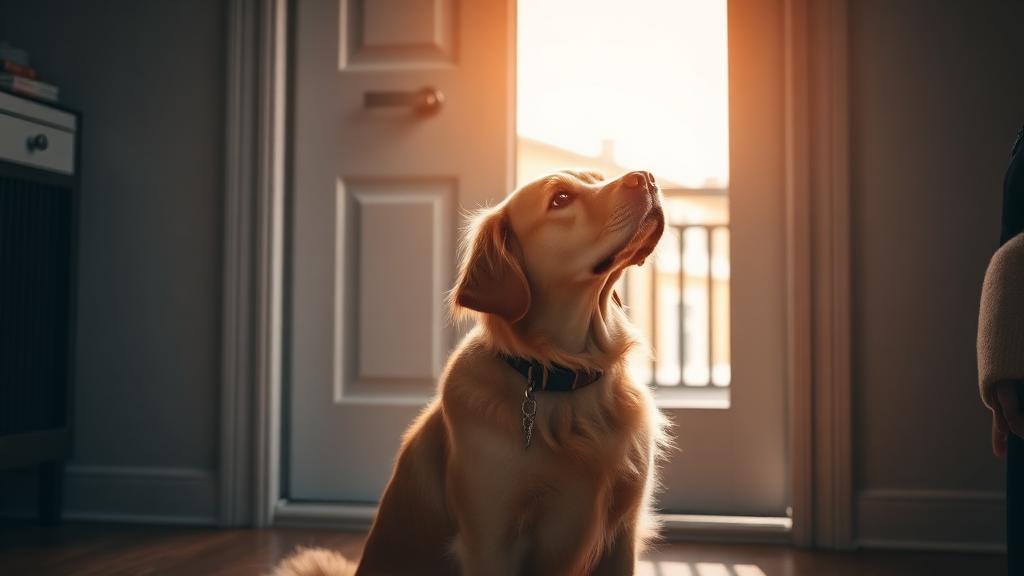
- Step 1 — Establish Baseline Threshold: Determine the maximum duration your dog can be alone without any signs of distress. For severe cases, this may be as short as 5–10 seconds. Use a pet camera to observe—visible signs include lip licking, pacing, panting, whining, or moving to the door.
- Step 2 — Decouple Departure Cues: Practice picking up keys, putting on shoes, and touching the door handle without actually leaving. Repeat 20–30 times per session until these cues no longer trigger anxiety. Most dogs with SA have learned to associate these "pre-departure rituals" with panic.
- Step 3 — Begin Micro-Absences: Step outside the door for the baseline duration (e.g., 5 seconds), return calmly, and reward with a high-value treat. No greeting fanfare—dramatic returns reinforce the emotional significance of your departure.
- Step 4 — Gradually Increase Duration: Add 5–10 seconds per session. If the dog shows distress at any point, reduce duration to the last successful interval and rebuild. Progress is measured in seconds, not minutes.
- Step 5 — Introduce Variability: Once the dog tolerates 2–3 minutes, vary the duration randomly (30 seconds, 2 minutes, 45 seconds). This prevents the dog from "counting" to the expected return time.
- Step 6 — Add Distance and Context: Practice leaving through different exits, at different times of day, and with different departure routines. The goal is generalization—the dog must learn that "alone" is safe regardless of context.
- Step 7 — Extend to Real-World Durations: Gradually build to 30 minutes, then 1 hour, then 2+ hours. Research shows that most dogs that can tolerate 1 hour alone can handle a full workday—the critical barrier is the first 30–60 minutes.
When Is Medication Appropriate for Separation Anxiety?
For moderate-to-severe cases, behavioral modification alone is often insufficient. The ACVB recommends a combined approach: medication to lower the baseline anxiety level, making the dog physiologically capable of learning during DS/CC training.
| Medication | Type | Onset | Use Case |
|---|---|---|---|
| Fluoxetine (Reconcile) | Daily SSRI | 4–6 weeks | Long-term anxiety reduction; baseline management |
| Clomipramine (Clomicalm) | Daily TCA | 2–4 weeks | FDA-approved for canine SA; alternative to SSRIs |
| Trazodone | As-needed | 1–2 hours | Situational; bridges the gap while daily meds take effect |
| Gabapentin | As-needed | 1–2 hours | Mild anxiolytic; often combined with trazodone |
Critical note: Medication without behavioral modification has poor long-term outcomes. The drugs create a window of reduced anxiety during which the DS/CC protocol can take effect—but the training is what produces lasting change.
What Mistakes Make Separation Anxiety Worse?
Well-meaning owners—and poorly informed trainers—frequently make errors that sensitize rather than desensitize the dog:
- "Flooding" (Cold Turkey): Leaving the dog alone for a full workday and hoping they "cry it out." This is the single most damaging approach. Each panic episode deepens the neural pathways associated with abandonment fear.
- Punishment: Scolding or punishing a dog for destructive behavior caused by SA. The destruction is a symptom of panic, not defiance. Punishment adds fear of the owner to the existing separation distress.
- Dramatic Departures and Returns: Long, emotional goodbyes and enthusiastic greetings reinforce the idea that your absence is a significant emotional event. Aim for neutral departures and calm returns.
- Getting a Second Dog: In most cases, separation anxiety is attachment to a specific person, not loneliness. A second dog typically doesn't resolve the issue and may develop anxiety themselves through social facilitation.
- Crate Training as a Solution: For dogs with SA, a crate can intensify panic by adding confinement stress to separation distress. Some dogs injure themselves attempting to escape. Crating is appropriate for housetraining—not for separation anxiety.
When Should You Seek a Veterinary Behaviorist?
Not every case of separation anxiety requires specialist intervention. Mild cases—whining for a few minutes after departure, occasional accidents—often respond well to the DS/CC protocol managed by the owner with guidance from a certified trainer.
However, 20–40% of SA cases warrant referral to a board-certified veterinary behaviorist (DACVB). Red flags that indicate specialist-level intervention:
- Destructive behavior within 5 minutes of departure (door/window damage, crate escape attempts)
- Self-injury: broken teeth, torn nails, skin abrasions from escape attempts
- Prolonged vocalization (howling/barking for 30+ minutes continuously)
- House soiling only when left alone (in otherwise housetrained dogs)
- Failure to improve after 4–6 weeks of consistent DS/CC training
- Owner is unable to avoid leaving the dog alone during the training period (this is the most common barrier to success)
The Bottom Line
Post-pandemic separation anxiety is not a phase that will resolve on its own—it is a clinical panic disorder that requires structured, evidence-based intervention. The Below-Threshold DS/CC protocol, combined with pharmacological support when needed, produces the highest success rates. The worst thing you can do is nothing. The second worst thing is flooding. Start with seconds, not hours, and build from there.