The American Veterinary Medical Association (AVMA) reports that 70% of cats show signs of oral disease by age 3, making it the most common clinical condition in feline medicine. Daily tooth brushing reduces plaque accumulation by up to 76%, and the VOHC (Veterinary Oral Health Council) maintains a list of clinically proven dental products that can supplement home care.
Why Is Dental Health Critical for Cats?
Dental disease doesn't just affect the mouth. Bacteria from periodontal disease enter the bloodstream and can damage the heart, kidneys, and liver. The AAHA considers dental care a core component of preventive veterinary medicine — not an optional cosmetic procedure.
How Do You Brush a Cat's Teeth?
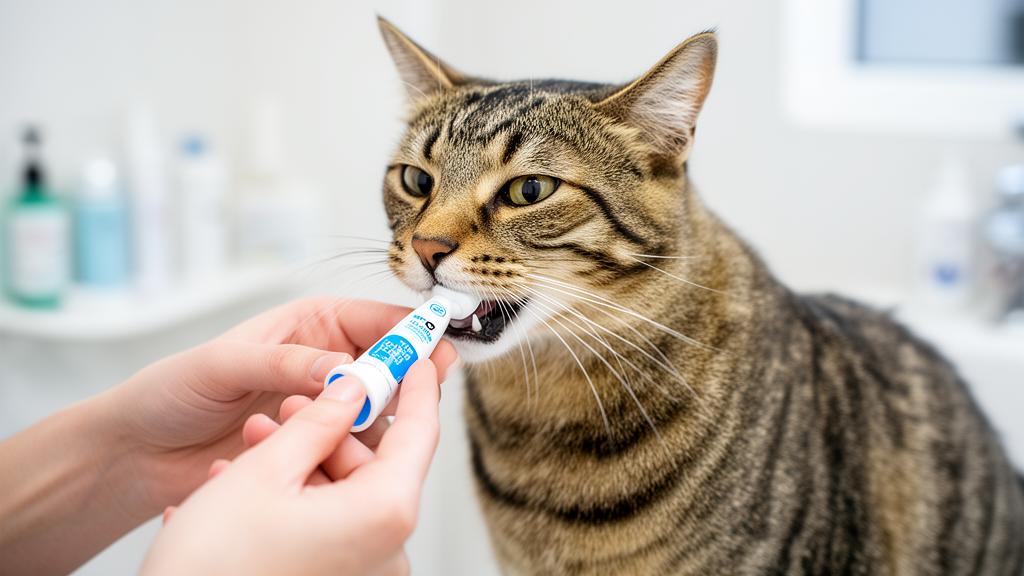
- Start slow — Let your cat taste the enzymatic toothpaste first; reward with treats
- Use a finger brush — Easier to control than a traditional pet toothbrush
- Focus on the outer surfaces — Where plaque accumulates most; 30 seconds per side
- Brush at a 45° angle — Along the gum line where bacteria collect
- Keep sessions short — 1–2 minutes maximum; end with praise and treats
What Products Does the VOHC Recommend?
The Veterinary Oral Health Council (VOHC) independently evaluates dental products and awards a seal of acceptance to those clinically proven to reduce plaque or tartar. Look for the VOHC seal on dental treats, water additives, and toothpastes.