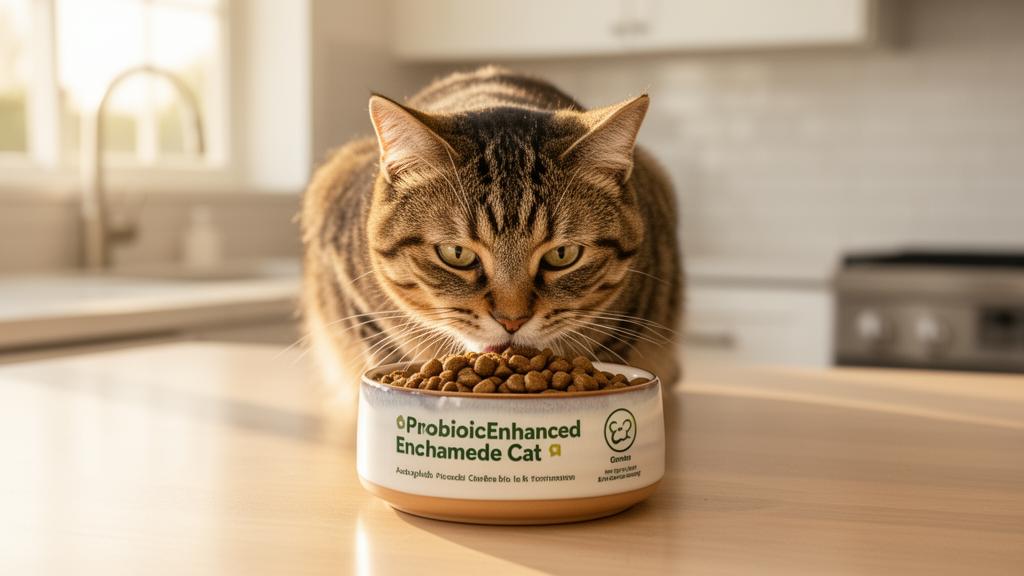
Probiotics are live beneficial microorganisms that, when administered in adequate amounts, confer a health benefit to the host — supporting digestive health, immune function, and nutrient absorption in cats. Research published in the Journal of Feline Medicine and Surgery shows that specific probiotic strains can reduce diarrhea duration by 50% and improve stool quality in cats with chronic GI issues.
How Do Probiotics Benefit Cats?
- Digestive health — Restore gut bacteria balance after antibiotics, illness, or stress
- Immune support — 70% of the immune system resides in the gut
- Nutrient absorption — Healthy gut flora improves absorption of vitamins and minerals
- Diarrhea management — Reduces severity and duration of acute and chronic diarrhea
Which Cats Benefit Most from Probiotics?
- Cats recovering from antibiotic treatment
- Cats undergoing food transitions
- Cats with chronic diarrhea or IBD
- Stressed cats (new home, travel, boarding)
- Senior cats with declining digestive function
What Should You Look for in a Cat Probiotic?
- Named strains — Products should list specific strain names, not just genus/species
- Guaranteed CFU count — At expiration, not at time of manufacture
- Veterinary formulation — Designed for feline digestive systems
- Storage instructions — Some strains require refrigeration to maintain viability
Related Guides
- How to Transition Cat Food Safely
- Understanding Cat Food Sensitivities
- Diets for Cats with Hairball Issues
Frequently Asked Questions
0 likes