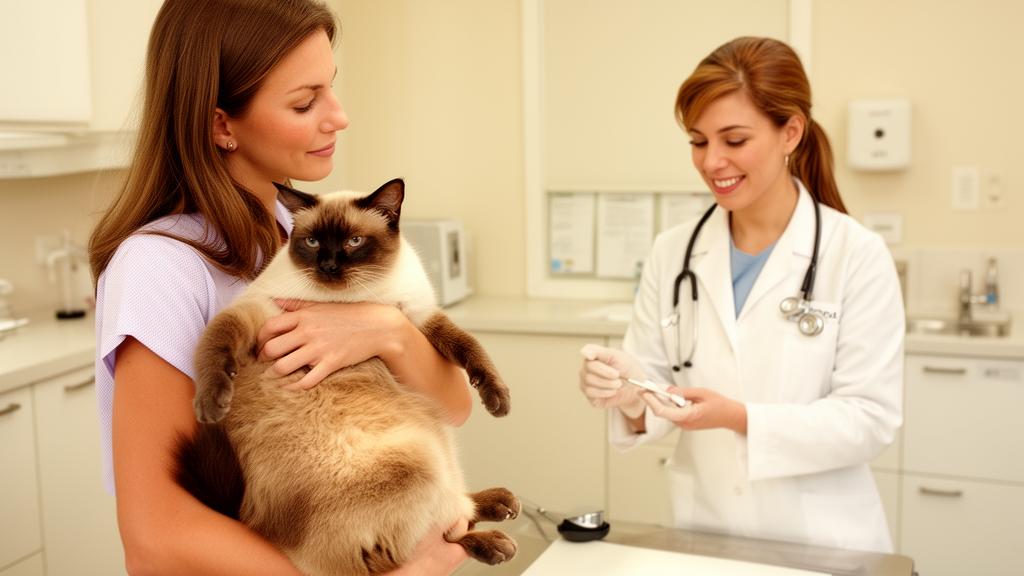
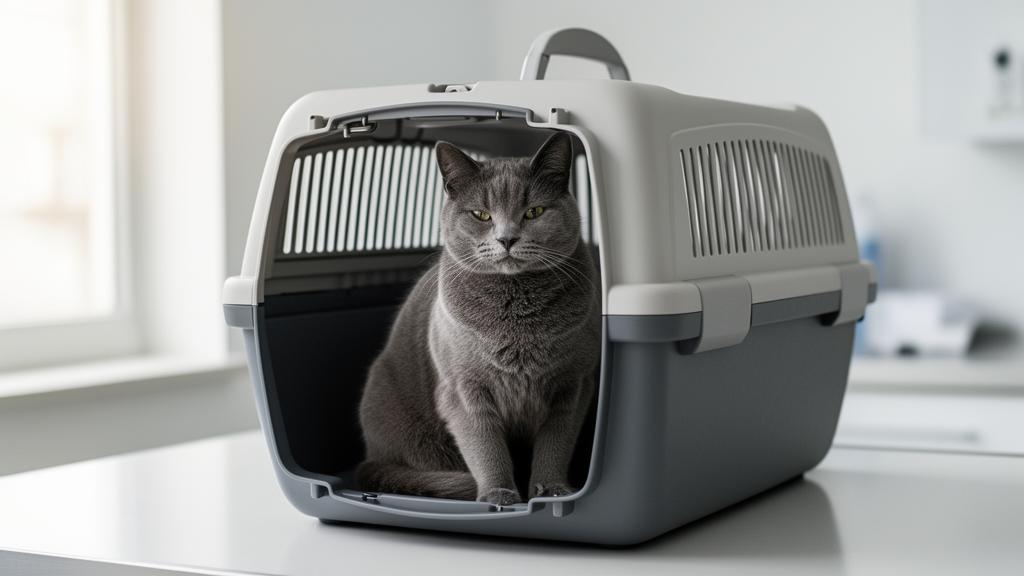
Veterinary organizations such as the American Association of Feline Practitioners (AAFP) recommend selecting carriers designed specifically to reduce feline stress and improve handling during veterinary exams. Unfortunately, many pet owners purchase carriers based only on price or appearance. A poorly designed carrier can lead to stress, escape attempts, and even injury during transport.
A well-designed carrier is one of the most important tools for protecting your cat's health and safety throughout their lifetime.
Why a High-Quality Cat Carrier Matters
Cats are territorial animals. When removed from their familiar environment, they often experience significant stress. The carrier effectively becomes their temporary safe space, shielding them from unfamiliar sights, smells, and sounds.
- Reduce anxiety during travel — Cats feel safer when enclosed in a familiar space
- Improve veterinary examinations — Many modern carriers allow vets to examine cats without fully removing them
- Prevent escape during transport — Cats are surprisingly strong and can force open weak carrier doors
- Protect during car travel — A secure carrier prevents injuries from sudden stops or accidents
- Make handling easier — For both owners and veterinary staff
What Features Should You Look for in a Cat Carrier?
When selecting a carrier, veterinarians recommend prioritizing safety, durability, and ease of handling.
Top-Opening Design
Allows gentle placement and removal without forcing the cat through a front door. Less stress for anxious cats and safer handling for injured or sick cats.
Removable Top Half
Hard-shell carriers that separate into two halves allow vets to examine the cat while it remains in the bottom half, dramatically reducing fear and defensive behavior.
Adequate Ventilation
Multiple mesh or ventilation panels on at least three sides. Proper airflow prevents overheating and improves comfort — especially important for stressed cats.
Secure, Durable Latches
Metal or reinforced plastic doors with locking latches that require two motions to open. Cats can push surprisingly hard when frightened.
Additionally, look for easy-to-clean surfaces — smooth plastic interiors, removable padding or liners, and no fabric corners that trap odors. Travel accidents happen, especially during stressful vet visits.
Hard-Sided vs. Soft-Sided Cat Carriers
Each type of carrier serves a different purpose depending on how you plan to travel with your cat.
| Feature | Hard-Sided | Soft-Sided |
|---|---|---|
| Durability | Excellent | Moderate |
| Cleaning | Very easy | Harder |
| Crash protection | Superior | Good |
| Airline use | Cargo travel | Under-seat |
| Weight | Heavier | Lighter |
| Storage | Bulkier | Often collapsible |
When to Choose Hard-Sided
- • Veterinary visits
- • Car travel
- • Large cats
- • Cats prone to scratching or chewing
When to Choose Soft-Sided
- • Airline travel (under-seat approved)
- • Short trips
- • Smaller or calmer cats
- • Owners wanting lightweight portability
Best Cat Carriers of 2026: Top Picks by Category
Below are the most popular carrier types and our recommended picks for 2026, based on veterinary guidance, durability testing, and owner reviews.
Best Hard Plastic Veterinary Carriers
Best for vet visits and car travel. These offer the highest level of protection and durability.
- Petmate Two Door Top Load Carrier — Affordable, durable, top- and front-opening design. A veterinary favorite for years.
- Frisco Two Door Top Load Carrier — Budget-friendly with secure latch system and easy-to-clean plastic interior.
- Catit Cabrio Multi-Functional Carrier — Features a top hatch, front door, and removable top half for stress-free vet exams.
Best Airline-Approved Soft Carriers
Designed for air travel with flexible frames that fit under most airline seats.
- Sherpa Original Deluxe Carrier — Airline-approved by most major airlines. Spring wire frame and mesh ventilation on all sides.
- Sleepypod Air In-Cabin Pet Carrier — Premium design with plush interior and excellent ventilation. Meets IATA guidelines.
- Amazon Basics Soft-Sided Mesh Pet Carrier — Budget pick with top and side loading, breathable mesh, and machine-washable fleece pad.
Best Backpack Cat Carriers
Hands-free carrying for hiking, urban transportation, and adventurous cats who enjoy seeing the world.
- PetAmi Deluxe Backpack Carrier — Ventilated design with safety buckle tether, padded straps, and side pockets.
- Lollimeow Expandable Backpack — Features an expandable rear section for extra room and a panoramic bubble window.
- Texsens Bubble Backpack — Lightweight with a replaceable bubble or mesh window and scratch-resistant bottom.
Best Expandable Travel Carriers
Perfect for long trips or anxious cats who benefit from extra space once you're settled.
- Pet Peppy Expandable Carrier — Expands on two sides for nearly triple the space. Airline-approved when collapsed.
- Petsfit Expandable Carrier — Sturdy wire frame with fleece bedding and extra ventilation panels for long car rides.
How to Reduce Carrier Stress
Many cats associate carriers with vet visits and become fearful the moment they see one. The AAFP recommends turning the carrier into a normal part of your cat's home environment.
Leave the Carrier Out Year-Round
Place the carrier in a quiet area and keep it open so your cat can explore it voluntarily. Over time, it becomes just another piece of furniture.
Add Familiar Bedding
- A favorite blanket or towel
- A worn T-shirt with your scent
- Familiar toys
Familiar smells reduce anxiety significantly.
Use Treats and Positive Reinforcement
Occasionally place treats inside the carrier to create positive associations. Your cat will begin to see it as a safe resting space rather than a trap.
Use Pheromone Sprays
Synthetic feline pheromones such as Feliway can significantly reduce stress during travel. Spray the carrier about 20–30 minutes before travel for best results.
Cover the Carrier During Transport
Covering the carrier with a light towel reduces visual stimulation and helps calm nervous cats. This is one of the simplest and most effective strategies.
What Size Cat Carrier Should You Buy?
General sizing rule
Carrier length = cat body length + 2–4 inches. Your cat should be able to stand up, turn around fully, and lie down naturally. However, carriers should not be excessively large — too much space allows cats to slide during car movement.
Related Guides
Frequently Asked Questions
Important Notice
This article is for informational and educational purposes only and is not a substitute for professional veterinary care. If your pet is experiencing health concerns or severe stress, consult a licensed veterinarian.