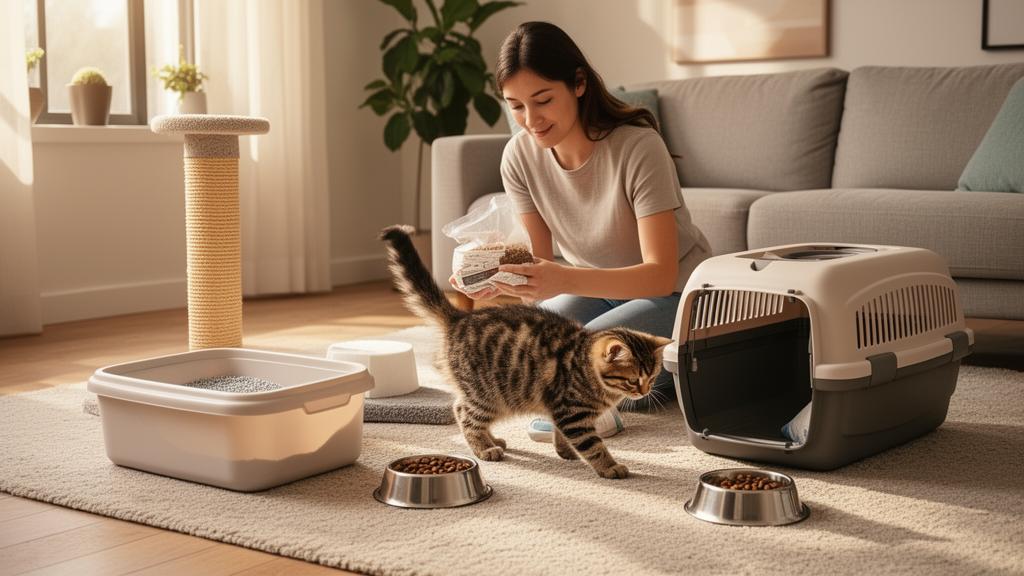
Every new cat needs a litter box system, stainless steel food and water bowls, AAFCO-certified food, a scratching post, a hiding spot, and a secure carrier — all set up in a single "base camp" room before arrival. The ASPCA, Cornell Feline Health Center, and AAHA all recommend this room-first approach as the foundation for a stress-free transition and long-term behavioral health.
Why Does Preparation Matter Before Your Cat Arrives?
Cats are territorial animals that rely on environmental predictability to feel safe. Unlike dogs, who often adapt quickly to new surroundings, cats undergo a neurochemical stress response when placed in unfamiliar territory without established scent markers or escape routes. The Cornell Feline Health Center notes that the first 72 hours in a new home are the most critical window for establishing trust — and having every supply ready before your cat arrives eliminates disruptions during this sensitive period.
Preparation isn't just about convenience. Studies published in the Journal of Feline Medicine and Surgery show that cats introduced to well-prepared environments with appropriate resources exhibit fewer stress-related behaviors (hiding, anorexia, inappropriate elimination) and form bonds with their owners significantly faster.
What Litter Box Setup Does a New Cat Need?
Litter box problems are the number-one behavioral reason cats are surrendered to shelters. Getting the setup right from day one prevents habits that are difficult to correct later.
- Two litter boxes minimum — The ASPCA gold standard is one per cat plus one extra, placed in separate quiet locations
- Unscented, clumping litter — Most cats prefer fine-grain clumping clay; avoid scented litters which can cause aversion
- Scoop daily, full clean weekly — Consistency prevents box avoidance; use mild, unscented soap for deep cleaning
- Litter mat — Placed under and in front of the box to reduce tracking throughout the home
- Placement away from food — Cats instinctively avoid eliminating near their food and water sources
Litter Box Systems We Recommend
A reliable litter system with effective odor control makes daily maintenance easier and encourages consistent litter habits from day one.
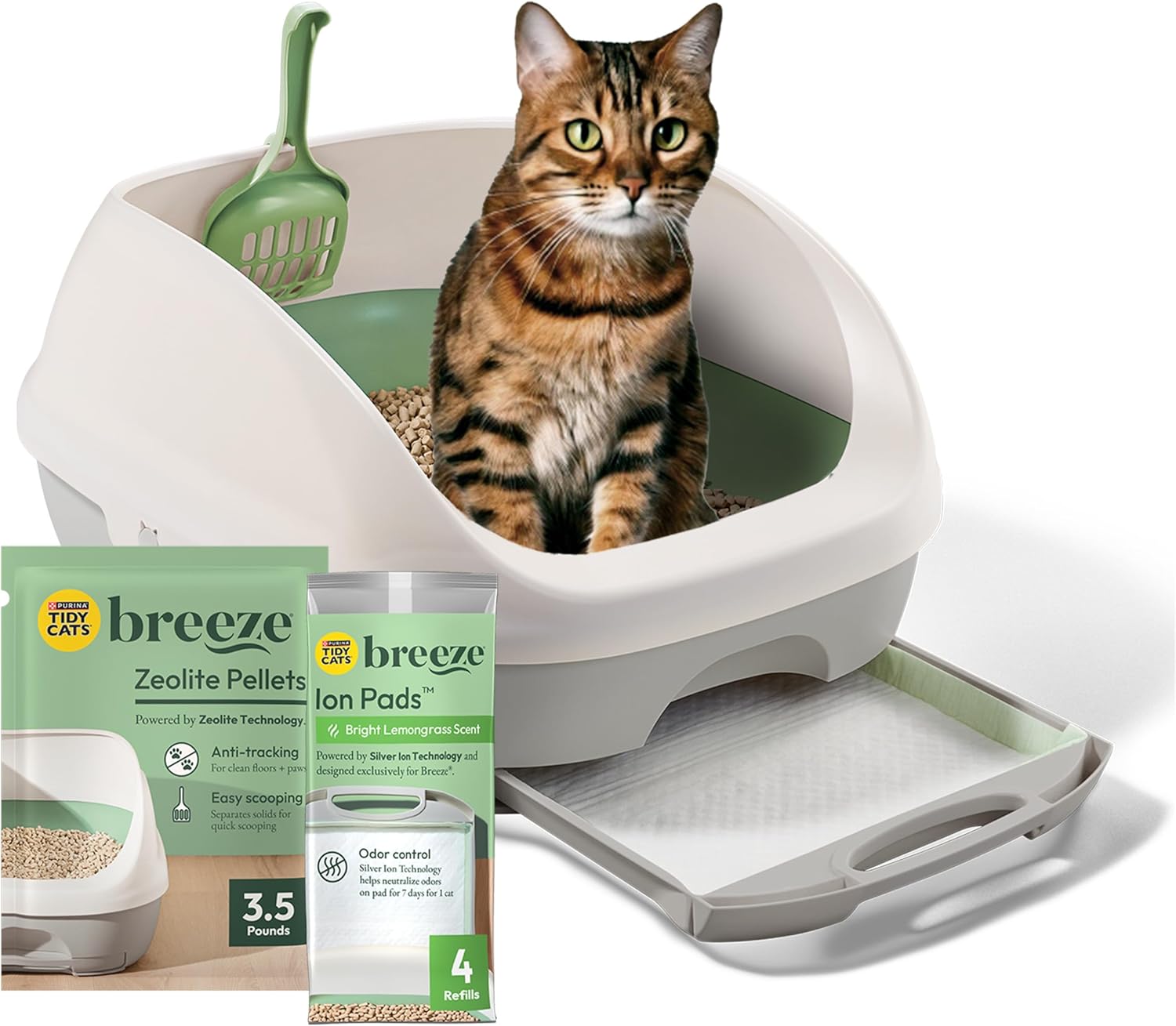
Purina Tidy Cats BREEZE Litter Box Starter System

Nature's Miracle Hooded Corner Litter Box
As an Amazon Associate, we may earn from qualifying purchases. Prices and availability are subject to change.
What Food and Water Supplies Are Essential?
Nutrition mistakes in the first week — sudden diet changes, inappropriate bowls, or inadequate hydration — cause the majority of early digestive issues in newly adopted cats. The AAFCO sets the nutritional standards that all commercial cat foods must meet to be labeled "complete and balanced."
- Stainless steel or ceramic bowls — Avoid plastic, which harbors bacteria and can cause feline acne (chin acne)
- Same food as shelter/breeder — Maintain the current diet for at least 7 days before any transition
- AAFCO-certified formula — Ensure "complete and balanced" for the correct life stage (kitten, adult, or senior)
- Water fountain or wide bowl — Cats prefer running water; fountains can increase daily water intake by 30–50%
- Separate food and water locations — Cats instinctively avoid water near food sources, a behavior inherited from wild ancestors
What Comfort and Enrichment Items Should Be Ready?
Environmental enrichment isn't optional — the AAFP (American Association of Feline Practitioners) identifies it as one of the five pillars of a healthy feline environment. Providing appropriate outlets for scratching, climbing, hiding, and play from day one prevents destructive behaviors and supports mental health.
- Vertical scratching post (sisal) — Must be tall enough for a full-body stretch; sturdy base prevents tipping
- Hiding spot — A cat cave, covered bed, or even a cardboard box provides the security cats need in unfamiliar spaces
- Interactive toys — Wand toys simulate prey movement; rotate toys weekly to prevent habituation
- Horizontal scratcher (cardboard) — Some cats prefer horizontal surfaces; having both orientations available doubles acceptance rates
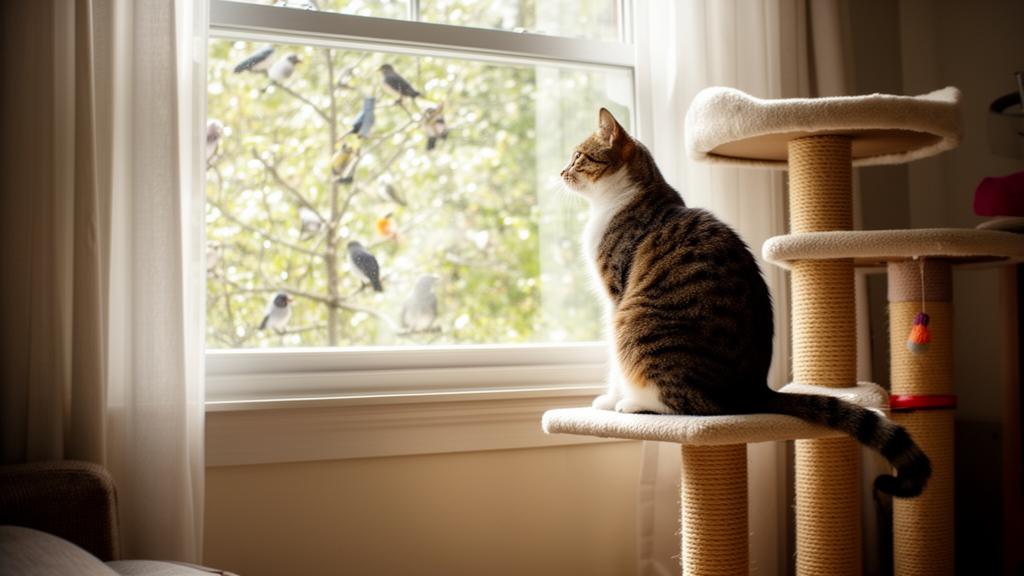
- Cat tree or perch — Elevated vantage points satisfy the instinct to survey territory from height
How Should You Set Up the Base Camp Room?
The "base camp" protocol is the single most effective strategy for reducing new-cat stress. Endorsed by the Cornell Feline Health Center, the ASPCA, and veterinary behaviorist Dr. Sophia Yin, this approach gives your cat a contained territory to claim as their own before gradually expanding access to the rest of the home.
Base Camp Room Checklist
| Item | Placement | Why It Matters |
|---|---|---|
| Litter box | Far corner, away from food | Prevents elimination avoidance |
| Food & water | Opposite wall from litter | Cats reject food near waste |
| Hiding spot | Quiet corner or under furniture | Reduces acute stress response |
| Scratching post | Near the entrance | Allows territorial scent-marking |
| Carrier (door open) | Against a wall, lined with blanket | Doubles as a familiar retreat |
| Bed or blanket | Warm, draft-free location | Warmth encourages relaxation |
Keep the door closed for 3–7 days. Visit frequently for short, quiet sessions — let your cat approach you. Extend access room-by-room only after your cat is eating, using the litter box, and approaching you willingly.
What Should You Do in the First 48–72 Hours?
The first two days establish your cat's perception of their new environment. Rushing introductions to other pets, children, or the full home during this window is the most common mistake new cat owners make.
- Minimize noise and activity — Keep the home calm; avoid vacuuming near the base camp room
- Let your cat initiate contact — Sit quietly in the room; avoid direct eye contact, which cats interpret as confrontational
- Monitor eating and elimination — A cat that hasn't eaten in 48+ hours or hasn't used the litter box needs veterinary attention
- Schedule the first vet visit — The AAHA recommends an exam within 48–72 hours for baseline health, parasite screening, and vaccination planning
- Keep other pets separated — Scent-swapping (exchanging blankets between animals) should begin before any visual introduction
What Is the First-Week Timeline?
| Day | Milestone | Action |
|---|---|---|
| Day 1 | Arrival & base camp setup | Place cat in room, open carrier, leave quietly |
| Day 1–2 | Eating & using litter box | Monitor intake; no forced interaction |
| Day 2–3 | First vet visit | Baseline exam, parasite check, VCPR established |
| Day 3–5 | Voluntary approach | Begin gentle play sessions with wand toys |
| Day 5–7 | Confident exploration | Open door to one adjacent room; maintain base camp |
| Week 2+ | Full home access | Gradually expand territory; begin scent-swaps with other pets |
What Safety Precautions Should You Take?
The ASPCA Animal Poison Control Center handles over 400,000 cases annually — and household hazards are the leading cause. Cat-proofing before arrival prevents emergencies during the already stressful adjustment period.
- Remove toxic plants — Lilies (all species), pothos, philodendron, and sago palm are among the most dangerous to cats
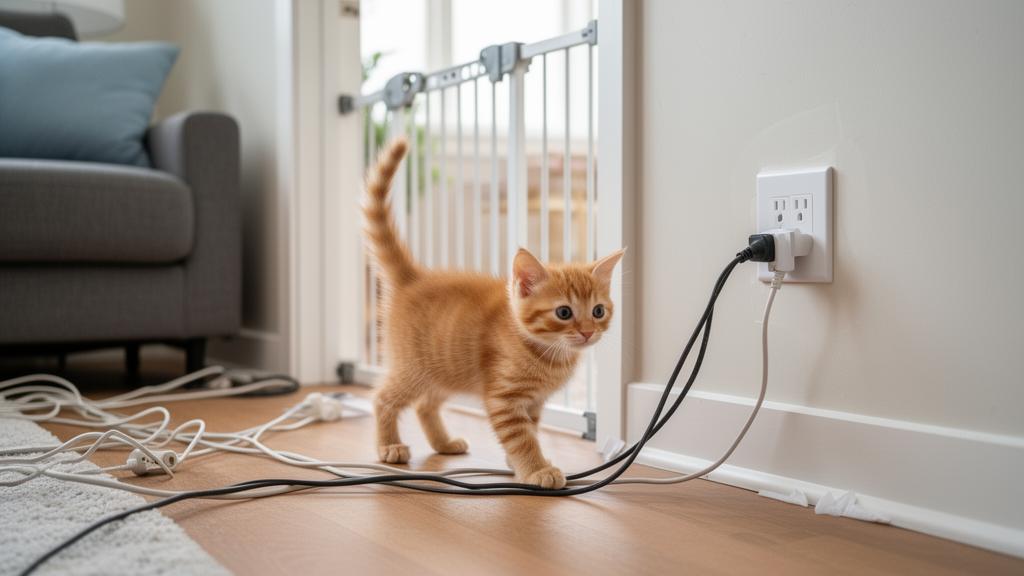
- Secure electrical cords — Use cord covers or bitter spray; kittens are especially prone to chewing
- Lock away medications — Acetaminophen (Tylenol) and NSAIDs are fatal to cats even in small doses
- Check windows and screens — "High-rise syndrome" is a documented veterinary emergency; ensure all screens are secure
- Store small objects — Rubber bands, hair ties, and string are common foreign body ingestion items requiring surgery
Complete New Cat Supply Checklist
Use this printable-ready checklist to ensure nothing is missed before your cat's arrival day.
| Category | Items | Est. Cost |
|---|---|---|
| Litter | 2 litter boxes, litter, scoop, mat | $50–$120 |
| Food & Water | Bowls (×2), AAFCO food, water fountain | $40–$90 |
| Comfort | Bed or cave, blanket, cat tree/perch | $30–$150 |
| Scratching | Vertical sisal post, horizontal cardboard scratcher | $20–$50 |
| Play | Wand toy, crinkle balls, puzzle feeder | $15–$35 |
| Transport | Hard-sided carrier (top-loading preferred) | $25–$60 |
| Grooming | Brush, nail clippers, toothbrush kit | $15–$30 |
| Safety | Breakaway collar, ID tag, microchip (vet visit) | $10–$50 |
Estimated total first-time setup cost: $205–$585 depending on brand choices and whether you opt for a cat tree versus standalone bed.
Related Cat Care Guides
- How to Kitten-Proof Your Home Room by Room
- Introducing a New Cat to Resident Pets Safely
- Cat Vaccinations: Schedules, Costs & Core vs. Non-Core
- Choosing the Right Cat Carrier for Vet Visits & Travel
- How to Help a Stressed or Anxious Cat
- Best Cat Beds: Caves, Perches & Heated Options
- Wet vs. Dry Cat Food: Which Is Better?