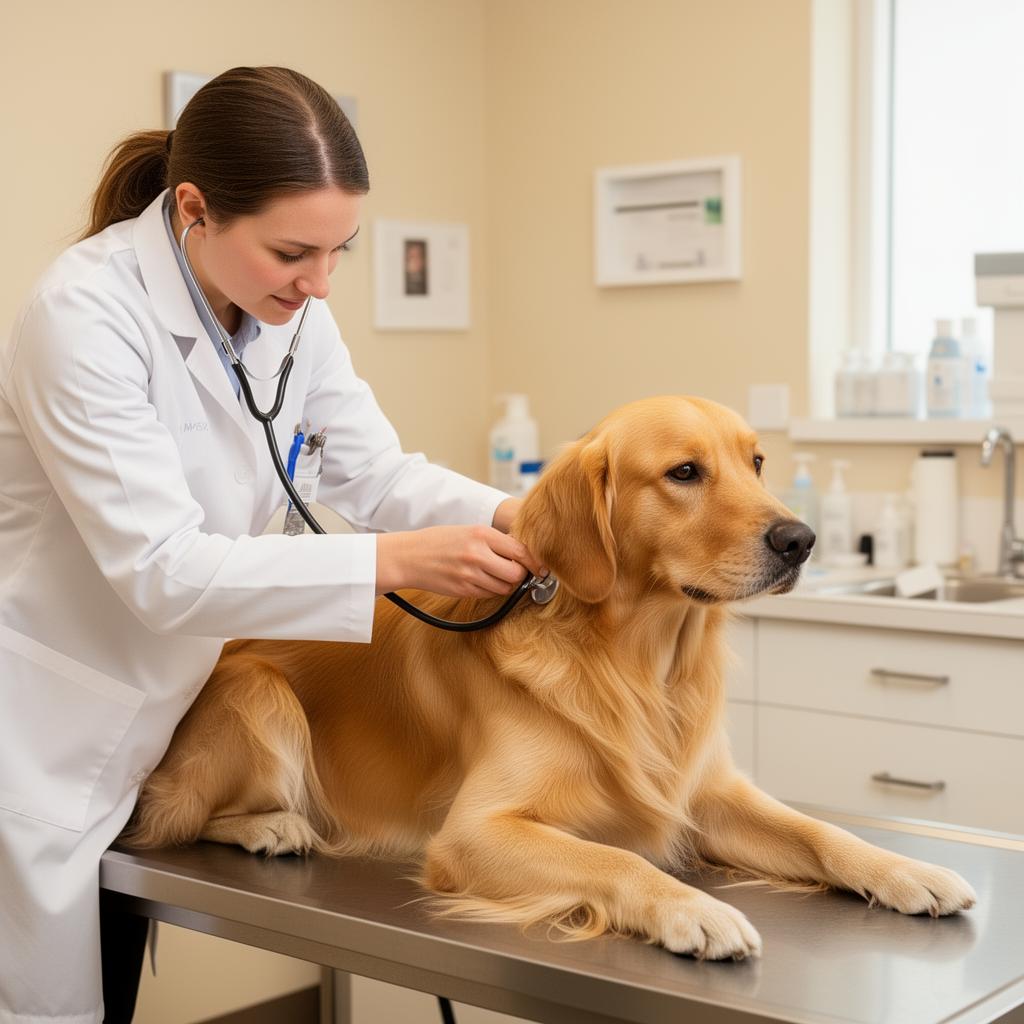
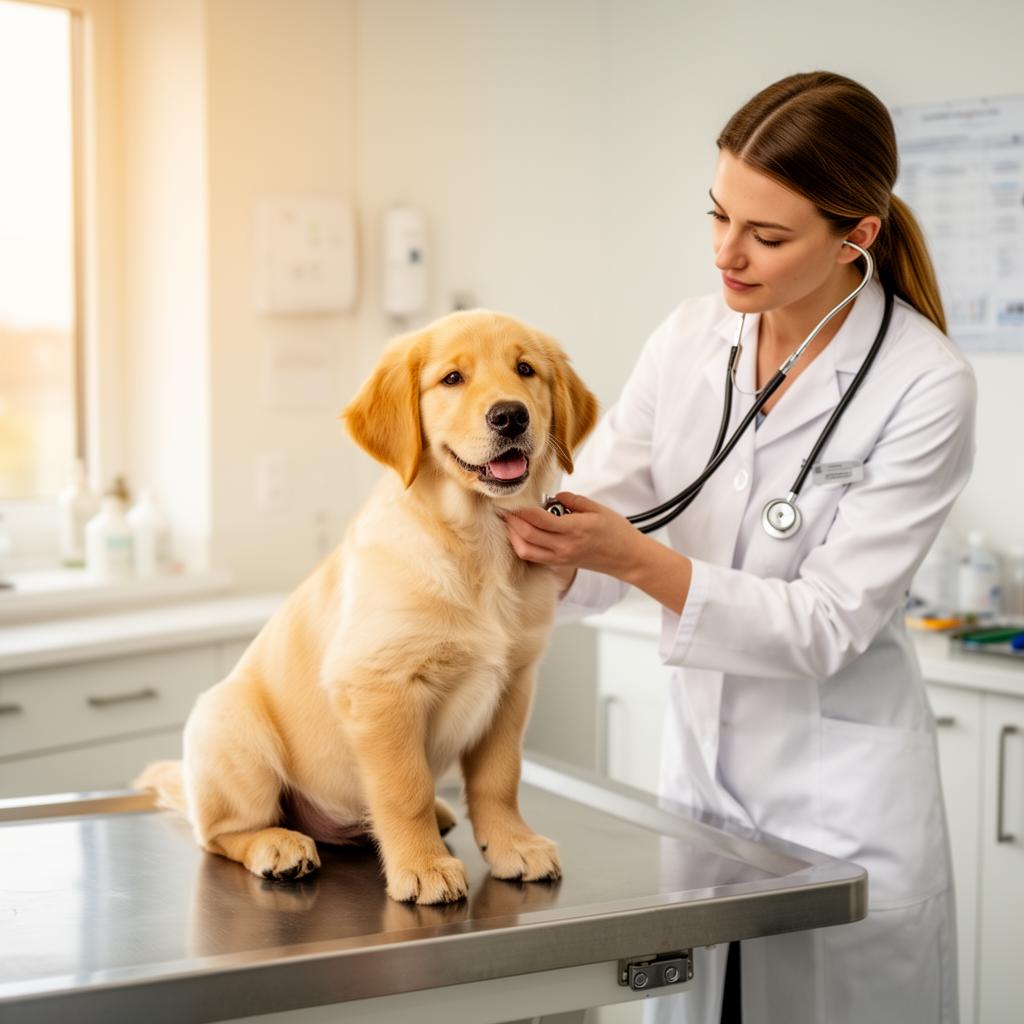
A pet wellness plan covers predictable routine care (vaccines, dental cleanings, annual exams) for a fixed monthly fee, as recommended by the American Animal Hospital Association (AAHA). Pet insurance covers unexpected accidents and illnesses (broken bones, cancer, emergency surgery) with deductibles and reimbursement rates. The North American Pet Health Insurance Association (NAPHIA) reports that 82% of policyholders choose Accident & Illness coverage, and the American Veterinary Medical Association (AVMA) recommends combining both for complete financial protection.
What Is the Core Difference Between a Wellness Plan and Pet Insurance?
The fundamental difference lies in intent. A wellness plan is designed to keep your pet healthy and catch issues early before they become life-threatening — endorsed by AAHA's preventive care guidelines. Pet insurance is your "safety net" for the worst-case scenarios that no one can predict.
Key Takeaway
Think of a Wellness Plan like a gym membership and annual physicals for your pet. Think of Pet Insurance like the emergency room coverage that protects your savings if a major crisis occurs. The AVMA recommends both as complementary — not competing — financial tools.
What Does a Pet Wellness Plan Cover in 2026?
Wellness plans focus on the "knowns." Per AAHA preventive care guidelines, these plans have evolved to include advanced diagnostics to establish healthy baselines. Typical inclusions are:
- ✓Annual and semi-annual physical exams (AAHA-recommended frequency).
- ✓Core vaccinations (Rabies, DHPP/FVRCP per AVMA protocols).
- ✓Parasite preventatives (Flea, tick, and heartworm — per American Heartworm Society guidelines).
- ✓Routine dental cleanings and screenings (AAHA dental care standards).
- ✓Microchipping and baseline blood panels.
For a deeper dive into what routine vaccines your pet needs, see our complete 2026 vaccination guide. And for dental care specifics, check out our pet dental care guide.
What Does Pet Insurance Cover That Wellness Plans Don't?
Insurance is built for the "unknowns." Most modern policies in 2026 utilize an Accident & Illness model, which accounts for over 82% of the market according to NAPHIA. Standard coverage includes:
- ✓Emergency surgeries and hospitalizations.
- ✓Diagnostic imaging (X-rays, MRIs, CT scans).
- ✓Chronic condition management (Diabetes, Arthritis).
- ✓Specialized treatments like chemotherapy and radiation.
Want to understand the full scope of what's covered and excluded? Read our comprehensive guide on what pet insurance actually covers, or compare accident-only vs. accident & illness plans.
How Do You Calculate Whether a Wellness Plan Is Worth It?
In 2026, the average monthly premium for "Accident & Illness" insurance is approximately $62 for dogs and $32 for cats (per NAPHIA industry data). Adding a wellness plan typically costs an additional $23 per month.
Use this formula to find your annual "Care Value" (V):
V = (E + D + P) − C
E — Annual cost of exams and vaccines
D — Cost of annual dental cleaning
P — Total cost of 12 months of parasite preventatives
C — Total annual cost of the wellness subscription
If V is positive, the plan is saving you money. On average, pet owners save between 30% and 45% on routine care by bundling these services.
For a complete breakdown of what you'll spend over your pet's lifetime, see our lifetime cost of pet ownership guide and our Pet Cost Index.
| Feature | Pet Wellness Plan | Pet Insurance |
|---|---|---|
| Primary Goal | Routine Maintenance | Emergency Protection |
| Waiting Period | Typically None (Day 1) | 1–14 Days |
| Monthly Cost | Fixed / Predictable | Variable (Age/Breed) |
| Deductible | Generally No | Yes ($250–$950) |
| Pre-existing Conditions | Usually Irrelevant | Strictly Excluded |
Primary Goal
Wellness: Routine Maintenance
Insurance: Emergency Protection
Waiting Period
Wellness: Typically None (Day 1)
Insurance: 1–14 Days
Monthly Cost
Wellness: Fixed / Predictable
Insurance: Variable (Age/Breed)
Deductible
Wellness: Generally No
Insurance: Yes ($250–$950)
Pre-existing Conditions
Wellness: Usually Irrelevant
Insurance: Strictly Excluded
How Do You Choose Between a Wellness Plan and Pet Insurance?
The AVMA and NAPHIA both recommend a structured decision process rather than impulse enrollment. Follow these five steps:
- 1
Audit your last 12 months of veterinary spending
Review all vet receipts from the past year. Separate routine care costs (vaccines, exams, dental, parasite prevention) from unexpected costs (emergencies, illnesses, surgeries). This baseline tells you where your money actually goes.
- 2
Calculate your routine care total
Add up annual exams, vaccines, dental cleanings, and parasite preventatives. If this total exceeds $276/year (the average wellness plan cost per NAPHIA), a wellness plan likely saves you money.
- 3
Assess your emergency risk tolerance
Ask yourself: could you pay a $3,000–$5,000 emergency vet bill today without financial hardship? If not, pet insurance is essential. The AVMA reports that 1 in 3 pets will need emergency care each year.
- 4
Check your pet's breed and age risk factors
Brachycephalic breeds, large breeds, and senior pets have higher illness and injury rates. If your pet falls into a high-risk category, Accident & Illness insurance provides the strongest financial protection.
- 5
Compare bundled vs. separate pricing
Many providers offer combined wellness + insurance bundles at 10–15% savings versus buying separately. Compare at least three providers and check whether the wellness component is a true discount or just repackaged services.
Don't Forget About Waiting Periods
Most pet insurance policies have waiting periods of 2–14 days for accidents and 14–30 days for illnesses before coverage begins. Wellness plans typically activate immediately. Learn more in our waiting periods guide.
Where Can You Learn More About Pet Insurance Options?
If you're leaning toward insurance, these companion guides will help you make the right choice:
Accident-Only vs. Accident & Illness
Compare the two main policy types side by side — coverage, pricing, and when each makes sense.
What Does Pet Insurance Actually Cover?
Full breakdown of covered conditions, exclusions, deductibles, and how to file a claim.
What Are the Most Common Questions About Pet Wellness Plans?
What Should You Do Next to Protect Your Pet?
If you haven't reviewed your pet's healthcare strategy for 2026, start by auditing your spending from the last 12 months. If you find yourself "picking and choosing" which vaccines to approve due to cost, a wellness plan can help stabilize those expenses. The AVMA recommends annual wellness exams as the foundation of preventive care — and combining that with an insurance policy ensures you're covered for both the predictable and the unexpected.