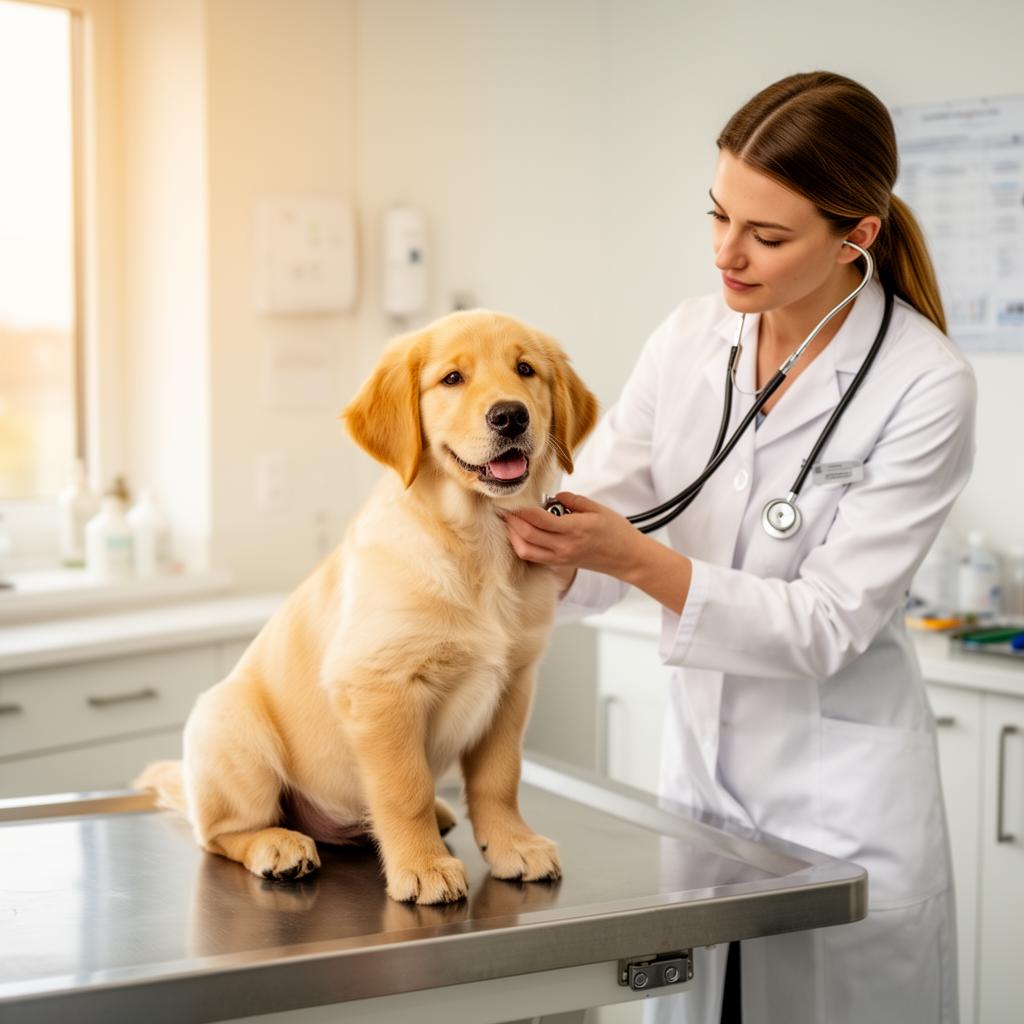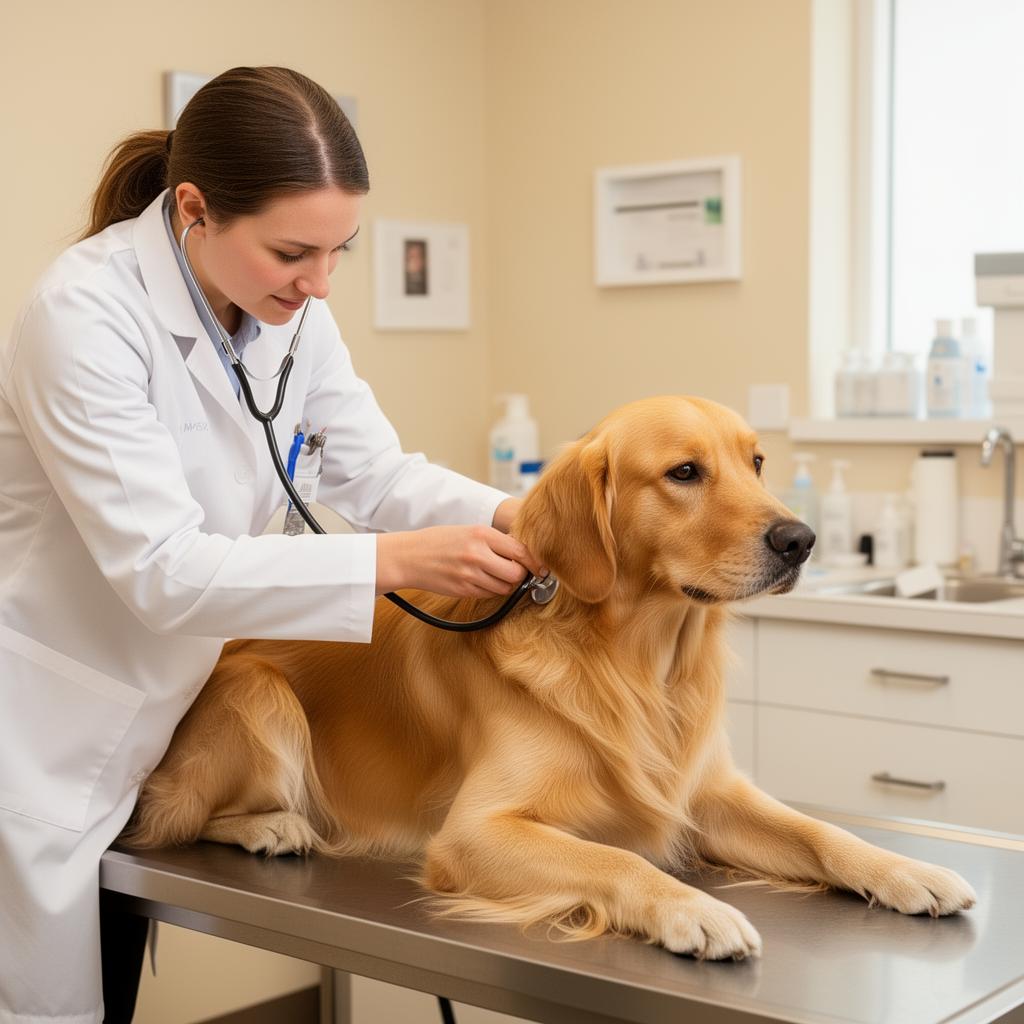

No, most pet wellness plans in 2026 do not have waiting periods—benefits are available on day one of enrollment. In contrast, pet insurance waiting periods are: 1–3 days for accidents, 14 days for general illness, and 6–12 months for orthopedic conditions (per NAPHIA industry standards). This difference exists because wellness plans cover predictable routine care, while insurance covers unpredictable events requiring anti-fraud safeguards.
Why Do Insurance and Wellness Plans Have Different Waiting Periods?
Pet insurance is a reactive "safety net" for unpredictable, high-cost events. Providers implement waiting periods to prevent "adverse selection"—signing up only after an injury occurs.
Wellness plans are proactive budget tools for predictable, routine care. Since services like AAHA-recommended annual exams, AVMA-protocol vaccinations, and dental cleanings are scheduled events, there is no "risk" in allowing immediate access.
Key Takeaway
Wellness Plans provide immediate, day-one access for routine maintenance. Insurance Policies require a "buffer" period (typically 14 days for illness) before coverage begins.
What Are the Standard Waiting Periods by Coverage Type in 2026?
| Coverage Type | Standard Waiting Period | Primary Purpose |
|---|---|---|
| Wellness / Preventative | 0 Days | Immediate access to routine exams and vaccines. |
| Accidents | 1–3 Days | Fast-acting coverage for injuries like broken bones. |
| General Illness | 14 Days | Coverage for infections, digestive issues, or cancer. |
| Orthopedic (CCL/Hip) | 6–12 Months | Extended waits for high-risk breed conditions. |
Why Are Wellness Plans Especially Valuable for New Pet Parents?
Young pets require frequent veterinary visits for core vaccinations (per AVMA immunization schedules) and developmental screenings within their first few months. By enrolling in a wellness plan on the day of adoption, owners can immediately offset the cost of these essential early-life procedures.
What Is the "Pre-Existing Condition" Trap with Waiting Periods?
While you can utilize wellness benefits on day one, any illness or injury detected during a wellness exam before your insurance waiting period ends will be classified as a pre-existing condition—permanently excluded from standard insurance coverage.
⚠ Important Warning
If your vet discovers a heart murmur during a routine wellness exam on day 3, and your illness insurance has a 14-day waiting period, that cardiac condition will likely be classified as pre-existing—permanently.
What Are the Most Common Questions About Waiting Periods?
When Does the Orthopedic Extended Waiting Period Apply?
Even if your general illness coverage begins after 14 days, most 2026 policies include a special extended waiting period for orthopedic issues. Cruciate ligament (CCL) events often require a six-month wait to prevent owners from insuring pets that already show subtle signs of mobility issues.
How Do You Maximize Day-One Value from a Wellness Plan?
If you are planning a vet visit in the next week, enrolling in a wellness plan today is the most efficient way to lower your bill. Many wellness plan add-ons ($276/year) provide immediate reimbursement for vaccines and dental cleanings.
Calculating Your Immediate Savings
S = (Cexam + Cvaccine + Cparasite) − Pmonthly
C — represents the cost of each service
P — represents your first monthly payment
If S is positive after your very first visit, the plan has already paid for itself.