Annual veterinary checkups are the cornerstone of preventive pet care, catching an estimated 85% of health conditions before clinical symptoms appear. A comprehensive annual exam includes a physical examination, bloodwork, dental assessment, weight evaluation, and vaccination review—typically costing $200-$400 with lab work. Beyond health benefits, annual exams are often required to maintain your veterinarian-client-patient relationship (VCPR) and can directly impact pet insurance claim eligibility.
What Happens During an Annual Wellness Exam?
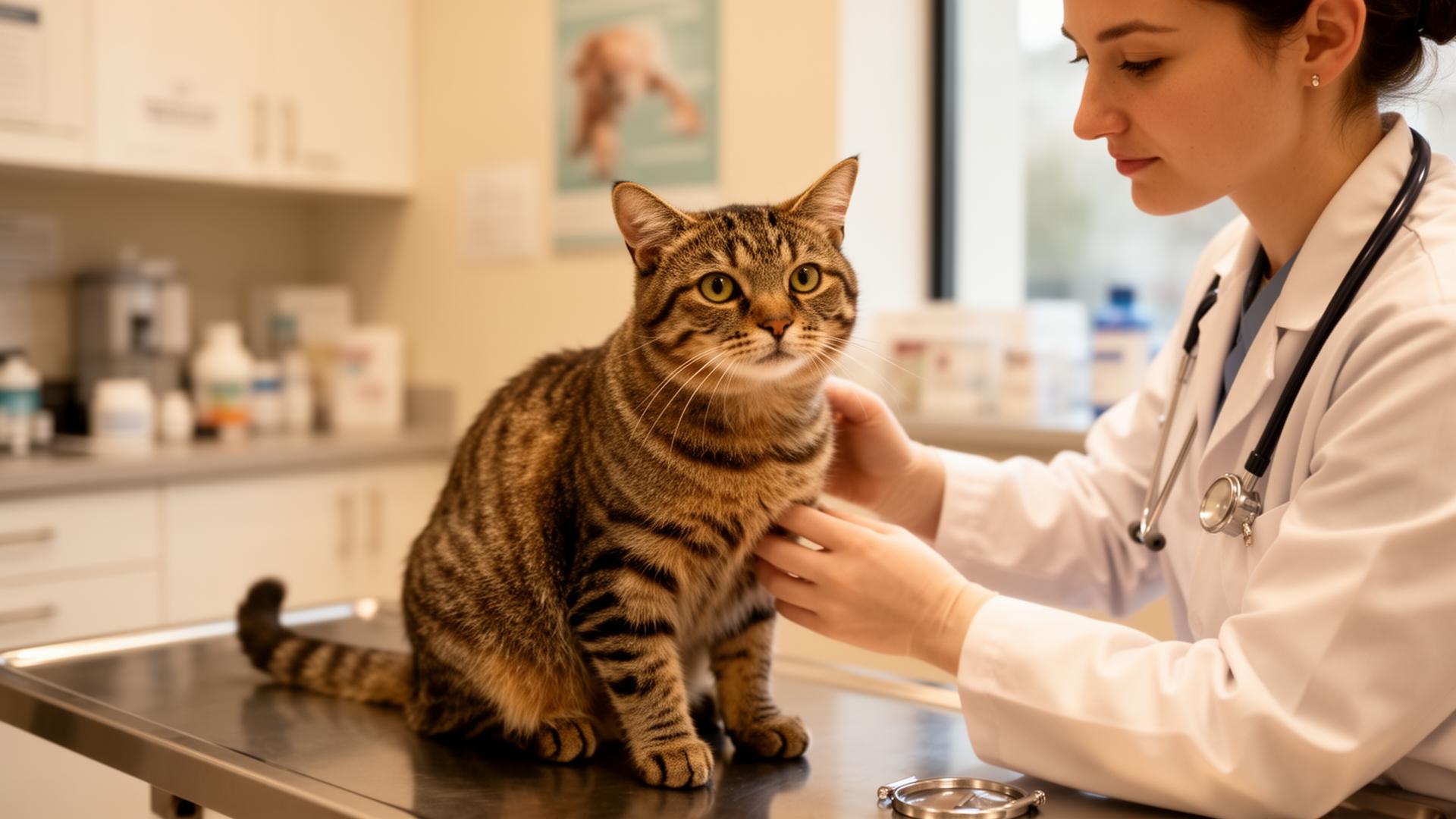
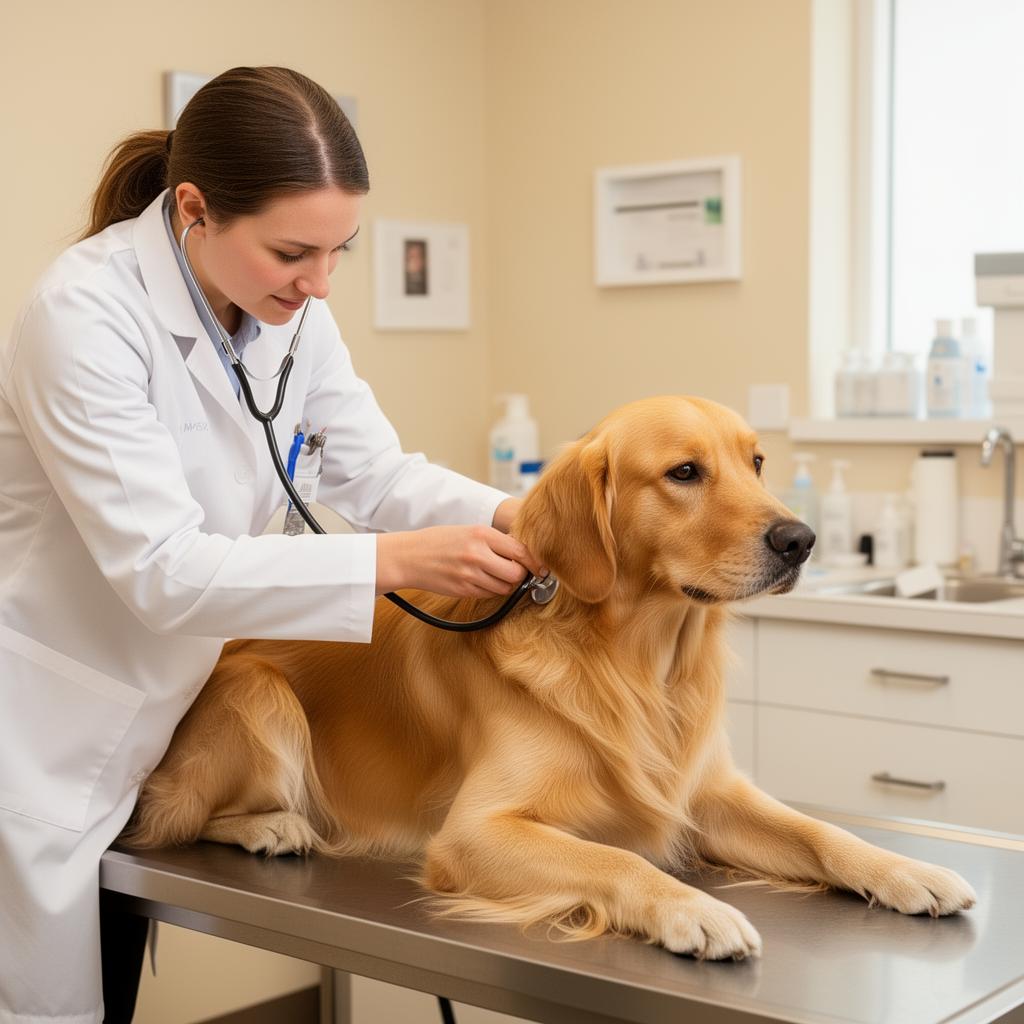
A thorough annual wellness exam is far more than a quick listen to the heart. Board-certified veterinarians follow a systematic head-to-tail assessment designed to catch subtle changes that owners miss. Here's what a comprehensive exam includes:
Physical Examination
- →Heart and lung auscultation for murmurs, arrhythmias, or respiratory abnormalities
- →Eye examination for cataracts, glaucoma, and retinal changes
- →Ear inspection for infections, polyps, or mite infestations
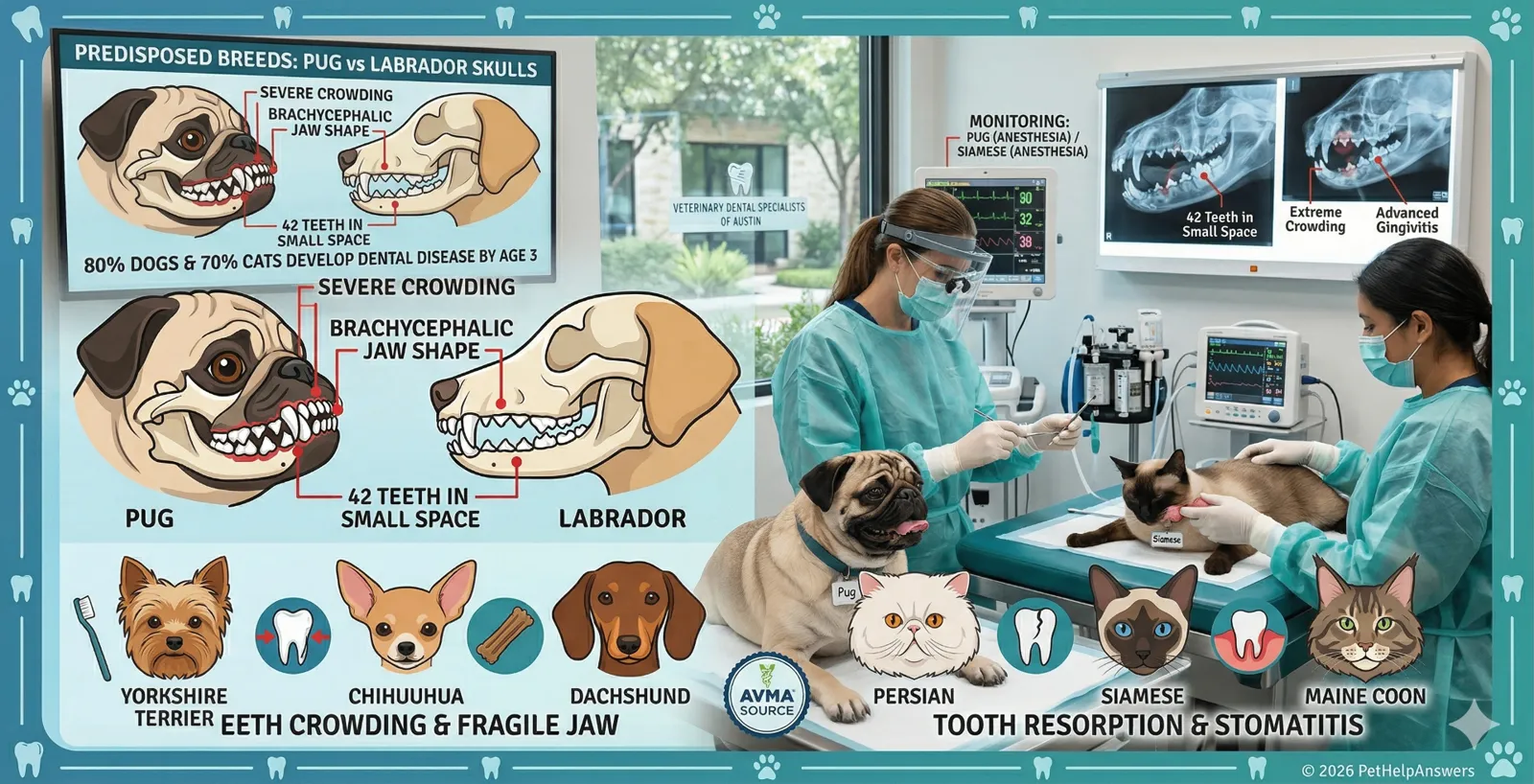
- →Oral exam and dental grading (Grade 0-4 periodontal disease scale)
- →Lymph node palpation for swelling or asymmetry
- →Abdominal palpation for organ enlargement or masses
- →Skin and coat assessment for allergies, infections, or parasites
- →Joint mobility and muscle mass evaluation
- →Weight and Body Condition Score (BCS) on the 1-9 scale
Diagnostic Screening
- →Complete Blood Count (CBC) to assess red/white blood cells and platelets
- →Chemistry Panel for liver, kidney, and metabolic function
- →Heartworm test (dogs) - annual requirement for prevention prescriptions
- →Fecal examination for intestinal parasites
- →Urinalysis for kidney function and urinary tract health
- →Thyroid panel (T4) for senior pets
Preventive Care Review
- →Vaccination status and booster schedule review
- →Flea, tick, and heartworm prevention efficacy check
- →Nutrition and diet assessment for current life stage
- →Behavioral health screening for anxiety, cognitive changes, or pain
- →Exercise and enrichment recommendations
Why Do Annual Checkups Matter for Pet Insurance?
Annual checkups and pet insurance are more deeply connected than most pet owners realize. Skipping even one annual exam can have serious financial consequences:
- ✓VCPR maintenance — Most states require an active veterinarian-client-patient relationship for prescriptions and treatment. The VCPR typically lapses after 12 months without an exam, meaning your vet legally cannot prescribe medications or refills without a new visit.
- ✓Claim eligibility — Several pet insurance providers require proof of annual wellness exams as a policy condition. If your pet hasn't been seen in over 12 months, claims for new conditions may be denied or scrutinized more heavily.
- ✓Pre-existing condition documentation — Annual bloodwork and exam notes create a documented health timeline. If a condition develops, having normal baseline results from prior years proves it's a new condition—not pre-existing—which is essential for insurance coverage.
- ✓Wellness plan ROI — If you're paying for a wellness add-on ($25-$45/month), skipping the annual exam means you're paying for coverage you're not using. A single annual exam plus bloodwork typically costs $200-$400—which a wellness plan covers in full.
- ✓Early detection savings — Conditions caught at annual exams (Stage 1 kidney disease, early dental disease, developing heart murmurs) cost 60-80% less to manage than the same conditions caught at the emergency stage.
Key Statistic
Pets who receive annual wellness exams live an average of 1.5-2 years longer than those who only see the vet when sick. Early detection of kidney disease alone can extend a cat's life by 2-3 years with proper management. A $200 annual exam is the highest-ROI investment in your pet's health.
How Often Should Your Pet Be Examined by Life Stage?
Not all pets need the same exam frequency. The AAHA and AAFP guidelines recommend adjusting visit frequency based on life stage:
| Life Stage | Age Range | Exam Frequency | Key Focus |
|---|---|---|---|
| Puppy/Kitten | 0-1 year | Every 3-4 weeks | Vaccines, growth, socialization |
| Young Adult | 1-3 years | Annually | Spay/neuter, dental baseline, weight |
| Adult | 3-7 years (dogs) / 3-10 years (cats) | Annually | Dental care, weight, bloodwork baseline |
| Senior | 7+ years (dogs) / 10+ years (cats) | Every 6 months | Full bloodwork, organ function, pain assessment |
| Geriatric | 10+ years (dogs) / 15+ years (cats) | Every 4-6 months | Quality of life, cognitive health, comfort care |
For large and giant breed dogs (Great Danes, Mastiffs, Bernese Mountain Dogs), senior protocols should begin at age 5-6 rather than 7, as these breeds age faster and are prone to earlier onset of cancer, heart disease, and orthopedic conditions.
Your Annual Checkup Preparation Checklist
Use this interactive checklist to prepare for your pet's next annual wellness exam. It covers everything from pre-visit preparation to post-visit follow-up actions and insurance documentation.
Annual Checkup Checklist
Maximize every wellness visit with this step-by-step preparation guide.
Progress
0/22 completed
0%
Before Your Appointment
0/6During the Exam
0/6Insurance & Records
0/5Follow-Up Actions
0/5Frequently Asked Questions About Annual Checkups
What Should You Do Next?
If it's been more than 12 months since your pet's last wellness exam, schedule one this week—your VCPR may have already lapsed. Use the checklist above to prepare, and make sure to request copies of all lab results for your personal records. If you have pet insurance, review your policy to confirm whether annual exams are a coverage requirement. And if your pet is approaching senior age, discuss switching to semi-annual exams with your veterinarian to catch age-related changes early.