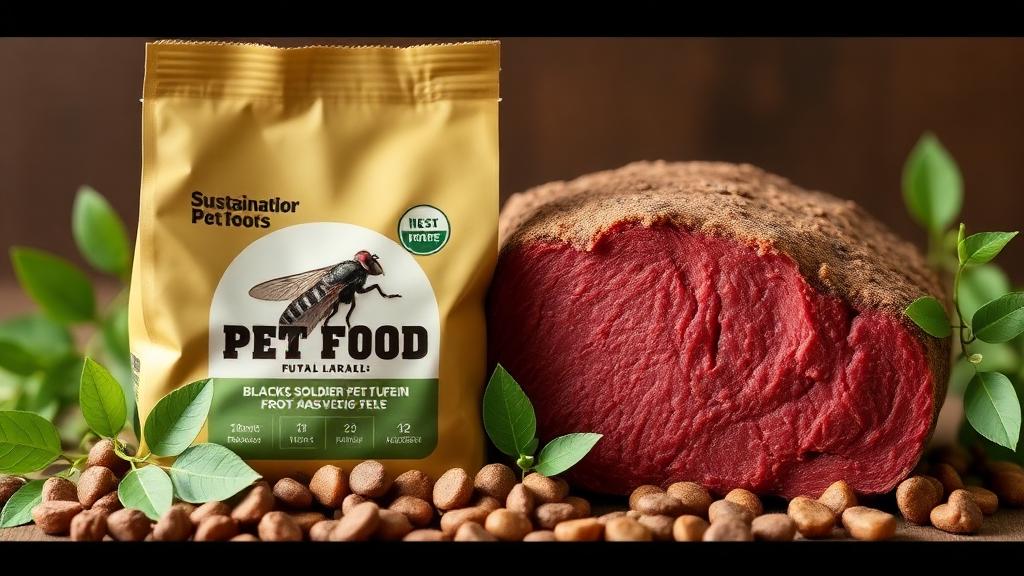
To choose the right pet food: 1) Verify it carries an AAFCO complete-and-balanced statement for your pet's life stage. 2) Ensure a named animal protein is the first ingredient. 3) Avoid artificial preservatives (BHA, BHT, ethoxyquin). 4) Consult your veterinarian before switching to grain-free, raw, or homemade diets. A well-balanced diet can prevent up to 65% of common chronic conditions, according to the American Veterinary Medical Association (AVMA).
What Are the Correct Macronutrient Ratios for Dogs vs. Cats?
Dogs and cats have fundamentally different nutritional needs. Cats are obligate carnivores requiring a minimum of 26% protein in their diet (per AAFCO minimums), while dogs are omnivores that thrive on a balance of protein, fats, and carbohydrates. The Association of American Feed Control Officials (AAFCO) sets the nutritional adequacy standards that all commercial pet foods must meet.
Key Takeaway
Always check for an AAFCO statement on your pet's food label. This confirms the food meets minimum nutritional standards for your pet's life stage (puppy/kitten, adult, or senior).
What Should You Look for on a Pet Food Label?
Ingredient lists are ordered by weight. Here's what a quality pet food should include at the top:
- ✓A named animal protein as the first ingredient (e.g., 'chicken,' not 'meat meal').
- ✓Whole grains or digestible carbohydrate sources (brown rice, sweet potato).
- ✓Named fat sources (chicken fat, salmon oil) for essential fatty acids.
- ✓Chelated minerals for better bioavailability.
- ✓No artificial colors, flavors, or preservatives (BHA, BHT, ethoxyquin).
What Are the Most Dangerous Feeding Mistakes in 2026?
The rise of "grain-free" and "raw" diets has introduced new risks. The FDA has identified a potential link between grain-free diets and dilated cardiomyopathy (DCM) in dogs. Mistakes to avoid:
- !Switching to grain-free without veterinary guidance (FDA/DCM investigation ongoing).
- !Over-supplementing with vitamins (especially fat-soluble A, D, E, K).
- !Free-feeding dry food, which contributes to obesity (59% of U.S. dogs are overweight per APOP).
- !Feeding raw diets without understanding bacterial contamination risks (Salmonella, Listeria).
How Do You Calculate How Much to Feed Your Pet?
Caloric needs vary widely by breed, age, and activity level. The standard veterinary formula for dogs (per AAHA nutritional guidelines):
RER = 70 × (Body Weight in kg)0.75
Resting Energy Requirement (RER) gives you the baseline. Multiply by 1.6 for active dogs, 1.2 for seniors, and 1.0 for weight-loss programs. Always confirm with your veterinarian.