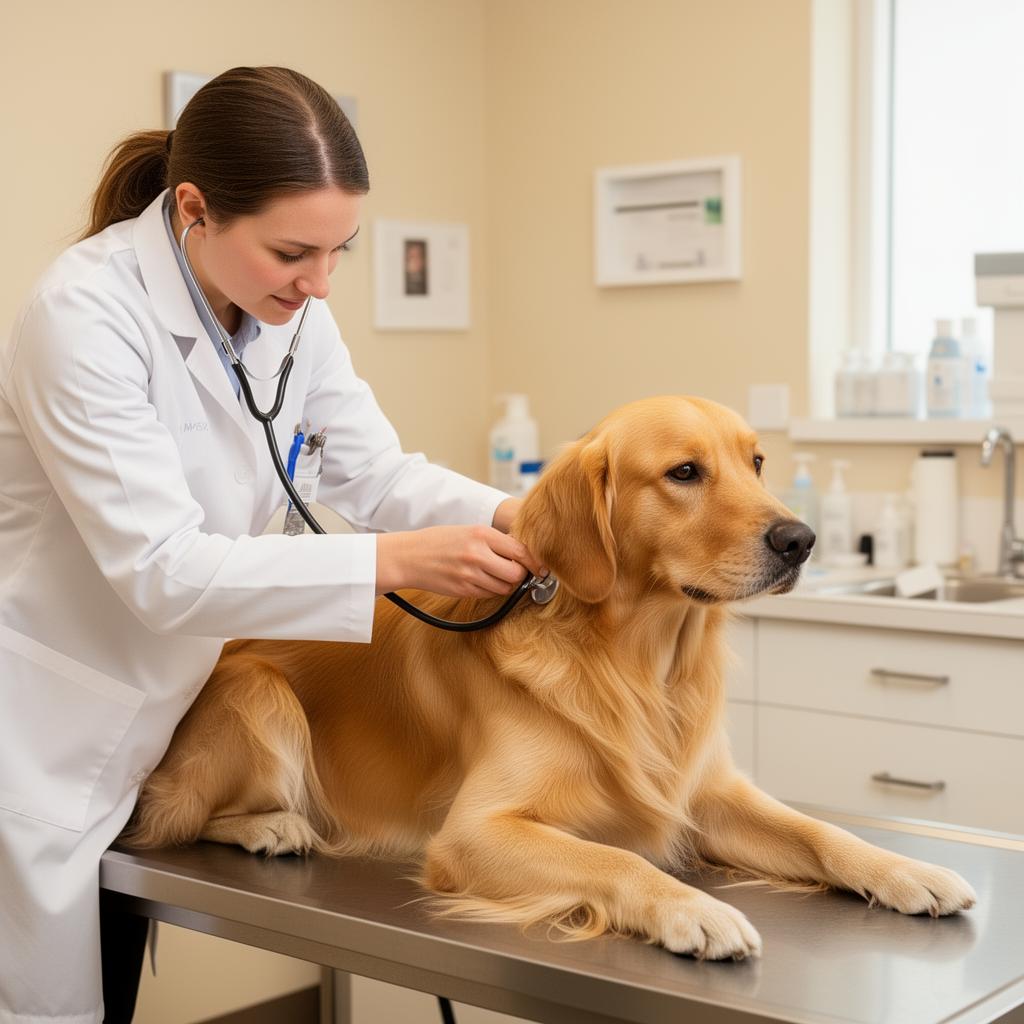

Dog DNA tests use cheek swab samples to analyze 200,000+ genetic markers, identifying breed composition and screening for 200+ heritable health conditions in a single at-home test. Results reveal carrier status for diseases like degenerative myelopathy, von Willebrand disease, and MDR1 drug sensitivity — conditions that are invisible until symptoms appear but can be managed proactively when detected early. Tests cost $100–$250 and provide lifetime-relevant health data.
Why Should You DNA Test Your Dog?
Visual breed identification is wrong 80% of the time, according to a University of Florida study. Even veterinarians misidentify breed composition in mixed-breed dogs more often than not. DNA testing eliminates guesswork and provides actionable health intelligence:
- ✓Identifies carrier status for 200+ genetic diseases before symptoms appear — enabling preventive care instead of reactive treatment.
- ✓Reveals breed composition in mixed breeds, unlocking breed-specific screening protocols your vet wouldn't otherwise recommend.
- ✓Detects MDR1 drug sensitivity — found in 50% of Australian Shepherds and 30% of Collies — preventing potentially fatal reactions to common medications like ivermectin.
- ✓Provides data for breed-appropriate exercise, nutrition, and weight management — a Labrador mix with Border Collie genetics needs a very different lifestyle than one with Basset Hound ancestry.
Key Statistic
A 2025 Embark study found that 1 in 3 dogs carries at least one copy of a disease-associated genetic variant. For breeds like Cavalier King Charles Spaniels, that number rises to nearly 100% for mitral valve disease markers.
How Do Dog DNA Tests Work?
Modern canine DNA tests use SNP (single nucleotide polymorphism) genotyping — the same technology used in human genetics. Here's the process:
- 1Collect a cheek swab sample using the provided kit. Firm pressure for 30–60 seconds on each cheek ensures adequate cell collection. Avoid testing within 30 minutes of eating.
- 2Mail the sample to the lab in the prepaid envelope. Most companies use USPS Priority Mail and samples remain stable for 6+ months at room temperature.
- 3The lab extracts DNA and runs it against a reference panel of 200,000+ genetic markers across 350+ breeds.
- 4Results are delivered in 2–4 weeks via an online portal. Most services include a downloadable veterinary report formatted for your vet to review.
How Much Do Dog DNA Tests Cost in 2026?
Prices vary by depth of analysis. Here's what the major providers charge:
| Test | Price | Health Markers | Best For |
|---|---|---|---|
| Embark Breed + Health | $199 | 230+ conditions | Most comprehensive health screening |
| Embark Breed ID | $129 | Breed only | Budget breed identification |
| Wisdom Panel Premium | $159 | 210+ conditions | Good balance of price and coverage |
| Wisdom Panel Essential | $99 | 25+ conditions | Entry-level screening |
| Basepaws (cats) | $149 | 40+ conditions | Feline genetic screening |
What Should You Do With DNA Test Results?
A DNA test is only as valuable as the actions you take based on its results. Here's a clinical framework for turning raw data into a preventive care plan:
- ✓Share the full veterinary report with your vet — most tests generate a PDF formatted specifically for clinical review. This becomes part of your dog's permanent medical record.
- ✓For any 'At Risk' (two copies) results, schedule the relevant screening immediately. A dog that's at-risk for degenerative myelopathy should have a neurological baseline exam.
- ✓For 'Carrier' (one copy) results, the dog likely won't develop the condition but should not be bred without testing the potential mate. Carrier-to-carrier breeding produces 25% affected offspring.
- ✓Update your dog's exercise and nutrition plan based on breed composition. A dog with significant Labrador genetics needs strict weight management; one with Husky heritage needs 2+ hours of daily exercise.
- ✓Review your pet insurance policy — some DNA results may influence coverage decisions. Enroll before conditions manifest to avoid pre-existing condition exclusions.
Related Resource
Use our Breed Health Risk Assessor to explore breed-specific health conditions, severity ratings, and prevention protocols for 25+ breeds — then pair it with your DNA results for a complete health picture.
The Top 5 Most Impactful Genetic Findings
Not all genetic markers carry equal clinical weight. These are the five findings that most frequently change veterinary care plans:
| Genetic Finding | Why It Matters | Action Required |
|---|---|---|
| MDR1 Mutation | Common medications become toxic | Avoid ivermectin, loperamide, acepromazine |
| DM (SOD1) | Progressive paralysis, no treatment | Neurological baseline, mobility monitoring |
| Von Willebrand (vWD) | Excessive bleeding during surgery | Pre-surgical vWF testing, avoid NSAIDs |
| Exercise-Induced Collapse (EIC) | Collapse during intense activity | Limit high-intensity exercise |
| Hyperuricosuria | Bladder/kidney stone formation | Low-purine diet, increased water intake |
Frequently Asked Questions About Dog DNA Testing
What Should You Do Next?
If you haven't DNA tested your dog, it's one of the highest-ROI investments in pet ownership at $100–$250 for lifetime-relevant health data. Order a test, share results with your vet, and use our Breed Health Risk Assessor to build a breed-specific screening schedule. For dogs already showing symptoms, DNA results help your vet narrow differential diagnoses faster — potentially saving weeks of diagnostic testing and thousands of dollars.