
How Do Smart Collars and IoT Devices Predict Heart Failure and Kidney Disease?
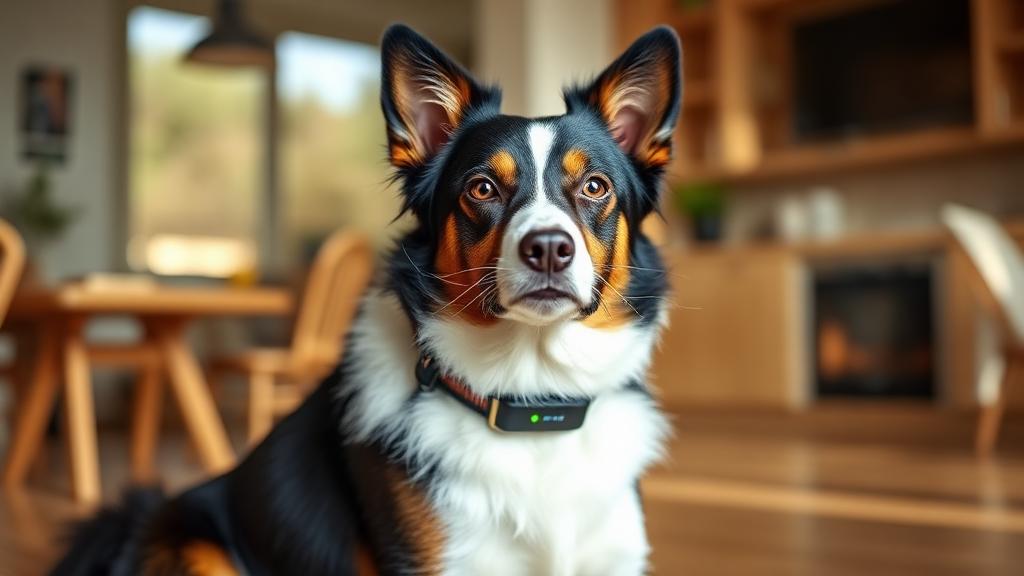
The integration of telemetry into consumer "smart collars" offers a longitudinal baseline for a pet's daily routine, enabling the detection of "invisible" illnesses. The Maven Pet Smart Collar and PetPace systems track vital signs such as resting heart rate (RHR), heart rate variability (HRV), and resting respiratory rate (RRR) every two minutes.
This data is used to build "digital twins" of the pet—virtual models of their normal physiological state. When the collar detects a deviation from the established baseline, such as a sustained increase in RRR or a drop in HRV, it flags the anomaly for veterinary review. This approach can identify early-stage heart failure or chronic pain before clinical symptoms manifest, giving veterinarians a critical head start on intervention.
What Vital Signs Do Smart Collars Track?
| Metric | Normal Range (Dogs) | Clinical Significance |
|---|---|---|
| Resting Heart Rate (RHR) | 60–140 bpm | Sustained elevation suggests cardiac stress or pain |
| Heart Rate Variability (HRV) | Varies by breed/age | Decreased HRV correlates with autonomic dysfunction and chronic pain |
| Resting Respiratory Rate (RRR) | 12–30 breaths/min | First indicator of pulmonary fluid accumulation (CHF) |
| Skin Temperature | 100.5–102.5°F | Fever detection and inflammation monitoring |
What Is the Clinical Value of Tracking Resting Respiratory Rate (RRR) at Home?
A pet's RRR is a sensitive indicator of congestive heart failure (CHF) and pulmonary health. Normal RRR for a dog is typically between 12 and 30 breaths per minute while at rest or sleeping. An increase in this rate—often the first sign of fluid accumulation in the lungs—can be detected by automated systems with a bias of only -0.78 breaths per minute compared to manual counts, according to validation studies published by the American College of Veterinary Internal Medicine (ACVIM).
This level of accuracy makes continuous RRR tracking one of the most actionable metrics in remote pet health monitoring.
Who Benefits Most from Automated RRR Tracking?
- Poorly Compliant Owners: Eliminates the need for owners to manually count breaths during the night. Studies show owner-counted RRR has a compliance rate below 40% after the first month—smart collars maintain 24/7 surveillance automatically.
- Post-Surgical Monitoring: Detecting complications or recovery setbacks in real-time, particularly after cardiac or thoracic surgeries where pulmonary edema is a known risk.
- End-of-Life Decisions: Providing objective pain indicators through high-frequency HRV and temperature alerts, helping families and veterinarians make compassionate, data-informed decisions.
How Do AI Litter Boxes Detect Kidney Disease and UTIs?
Beyond cardiac health, "AI litter boxes" like the SiiPet LitterLens use image recognition and AI algorithms to analyze gait, posture, and urinary frequency. This technology can detect the early signs of kidney disease, urinary tract infections (UTIs), and digestive issues by identifying subtle behavioral cues that pets instinctively hide to avoid appearing vulnerable—a survival instinct that makes early detection notoriously difficult.
What Behavioral Signals Do AI Litter Boxes Monitor?
| Signal | Potential Condition |
|---|---|
| Increased urinary frequency | Kidney disease, diabetes, UTI |
| Decreased urine volume | Dehydration, renal failure |
| Altered gait / posture | Pain, arthritis, urinary obstruction |
| Time-in-box changes | Constipation, GI distress, stress |
For cats in particular, kidney disease is the leading cause of death in cats over 7 years old, affecting roughly 1 in 3 cats during their lifetime. The ability to detect subtle changes in litter box behavior weeks or months before bloodwork would show abnormalities represents a genuine paradigm shift in feline preventive care.
What Should Pet Owners Know Before Buying a Smart Collar?
While the technology is promising, pet owners should approach smart collars and IoT devices with informed expectations:
- Not a Diagnostic Tool: Smart collars flag anomalies—they do not diagnose disease. Every alert should be followed up with a veterinary examination, including physical exam, bloodwork, and imaging as appropriate.
- Baseline Period Required: Most devices need 2–4 weeks of continuous wear to establish an accurate baseline. Alerts during this period may be unreliable.
- Breed-Specific Calibration: A Cavalier King Charles Spaniel (predisposed to mitral valve disease) has a fundamentally different cardiac profile than a Greyhound. The best systems account for breed, age, and weight in their algorithms.
- Data Privacy: Continuous health telemetry generates sensitive data. Review the manufacturer's data handling and sharing policies—particularly whether data is sold to third parties or shared with insurance providers.
What Does the ACVIM Say About Remote Monitoring Technology?
The American College of Veterinary Internal Medicine (ACVIM) has recognized the potential of continuous remote monitoring, particularly for patients with known cardiac conditions. Their 2024 consensus statement noted that automated RRR monitoring "shows promise as an adjunct to standard cardiac monitoring protocols" and recommended further validation studies.
The American Animal Hospital Association (AAHA) has similarly encouraged the integration of wearable data into annual wellness examinations, noting that longitudinal vital sign trends provide context that a single-point-in-time vet visit cannot capture.
The Bottom Line
Smart collars and AI-powered devices are not replacing your veterinarian—they're extending the exam room into your living room. For pets with known cardiac conditions, breeds predisposed to heart or kidney disease, or senior animals entering their golden years, continuous telemetry offers an unprecedented early-warning system that can quite literally add years to your pet's life.