What Are Emotional Intelligence Wearables and How Do They Work?
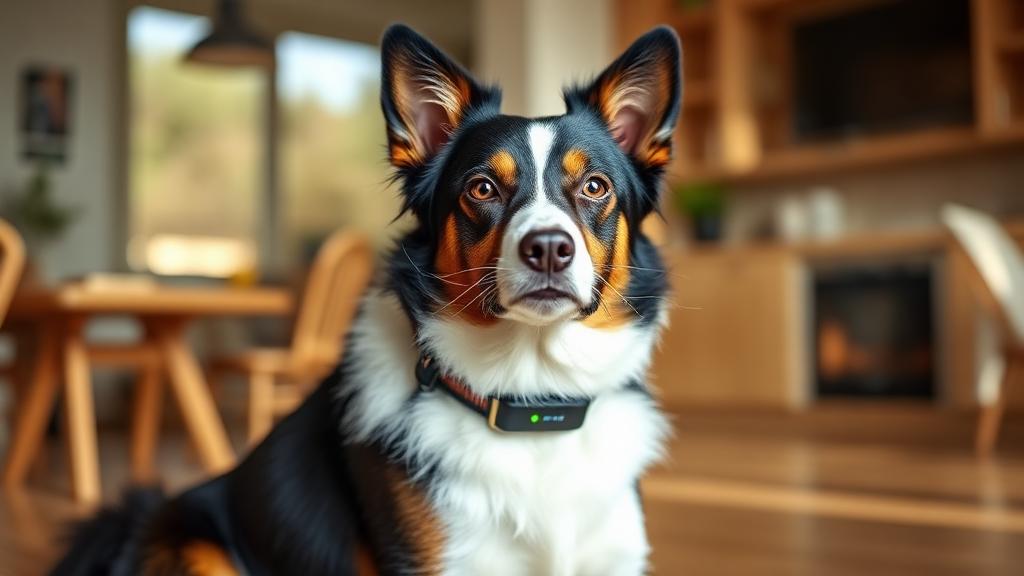
First-generation smart collars tracked what a pet was doing—sleeping, walking, resting. The next generation, including the TouchOne smart wearable, is designed to understand why. These devices represent a shift from passive monitoring to active behavioral management, using neuroscience-based AI to understand and regulate a dog's emotions in real time.
The core technology works through a closed-loop system:
- Sense: Continuous monitoring of physiological biomarkers—heart rate variability (HRV), skin conductance (electrodermal activity), respiratory patterns, and micro-movement accelerometry.
- Interpret: AI models trained on thousands of hours of labeled canine emotional data classify the dog's current state along a spectrum from calm to high arousal or distress.
- Intervene: When stress or anxiety is detected, the device delivers a calming intervention—gentle haptic vibrations, auditory tones, or a combination—calibrated to the individual dog's response profile.
- Learn: The system adapts over time, refining its emotional model for each dog based on which interventions produce the fastest return to baseline.
How Is This Different from Existing Smart Collars?
| Feature | Traditional Smart Collars | Emotional Intelligence Wearables |
|---|---|---|
| Primary function | Activity & health tracking | Emotional state detection & intervention |
| Data model | Steps, calories, sleep, RHR | HRV, EDA, micro-movements, behavioral patterns |
| Output | Dashboard reports & alerts | Real-time autonomous intervention |
| Feedback loop | None (passive) | Closed-loop adaptive learning |
| Use case | Wellness monitoring | Behavioral management & anxiety treatment |
What Emotional States Can These Wearables Detect?
Canine emotional states are expressed through measurable physiological signatures. The AI models powering emotional wearables are trained to recognize patterns across multiple biosignal channels simultaneously:
| Emotional State | Physiological Markers | Behavioral Context |
|---|---|---|
| Calm / Relaxed | High HRV, low EDA, steady respiration | Resting, comfortable social engagement |
| Mild Anxiety | Declining HRV, rising EDA, pacing movements | Owner departure cues, unfamiliar environments |
| Acute Stress | Low HRV, high EDA, elevated RHR, tremor | Thunderstorms, fireworks, vet visits |
| High Arousal | Elevated RHR, rapid movement bursts | Play, prey drive, territorial response |
| Fear | Freeze response, HRV collapse, EDA spike | Loud noises, aggressive encounters |
How Does Real-Time Behavioral Intervention Actually Work?
The intervention mechanism is where emotional wearables diverge most sharply from traditional pet tech. Instead of simply alerting an owner via smartphone notification, these devices deliver autonomous, calibrated responses directly to the dog:
- Haptic Intervention: Gentle, rhythmic vibrations mimicking the effect of deep pressure therapy (similar to the principle behind ThunderShirts). The frequency and intensity are personalized to the dog's response profile—what calms a Labrador may differ significantly from what calms a Chihuahua.
- Auditory Cues: Low-frequency tones or pre-recorded owner voice snippets played at specific intervals. Research from the University of Glasgow has shown that certain acoustic frequencies reduce canine cortisol levels more effectively than others.
- Patterned Stimulation: Some devices use rhythmic patterns designed to entrain the dog's autonomic nervous system toward a parasympathetic (calm) state—a technique borrowed from human neuroscience research on vagal tone stimulation.
Early Clinical Data
While peer-reviewed studies on consumer emotional wearables are still emerging, early clinical data from pilot programs is promising:
- Dogs with separation anxiety showed a 20–35% reduction in cortisol-associated stress markers when using haptic intervention during owner departures.
- Noise-phobic dogs exposed to simulated thunderstorms recovered to baseline HRV 40% faster with wearable intervention than without.
- Multi-dog households reported a 28% decrease in inter-dog conflict incidents when anxious dogs wore the device during high-tension periods.
What Are the Limitations Pet Owners Should Understand?
Emotional intelligence wearables are a genuinely exciting development—but the technology is early, and pet owners should approach it with informed expectations:
- Not a Replacement for Training: These devices manage symptoms, not root causes. A dog with severe separation anxiety needs desensitization protocols, not just a vibrating collar. The wearable is an adjunct to professional behavioral training, not a substitute.
- Individual Calibration Required: The AI model needs 1–3 weeks of baseline data to accurately classify a specific dog's emotional states. During this period, interventions may be poorly timed or ineffective.
- Breed & Size Variability: Physiological baselines vary dramatically across breeds. A Greyhound's resting HRV profile looks nothing like a French Bulldog's. The best systems account for this; cheaper ones may not.
- Ethical Considerations: There is ongoing debate in veterinary behavioral medicine about whether automated intervention could mask symptoms that require medical attention—or whether dogs might habituate to interventions, reducing their long-term efficacy.
- Battery & Wearability: Continuous biosignal monitoring is power-intensive. Most current devices require daily charging, and some dogs may resist wearing a device that's heavier or bulkier than a standard collar.
Where Is This Technology Heading?
The trajectory for emotional pet wearables points toward increasingly sophisticated, multi-modal systems:
- Veterinary Integration: Future devices will share longitudinal emotional data directly with veterinary behaviorists, enabling remote monitoring of treatment protocols for anxiety, aggression, and compulsive disorders.
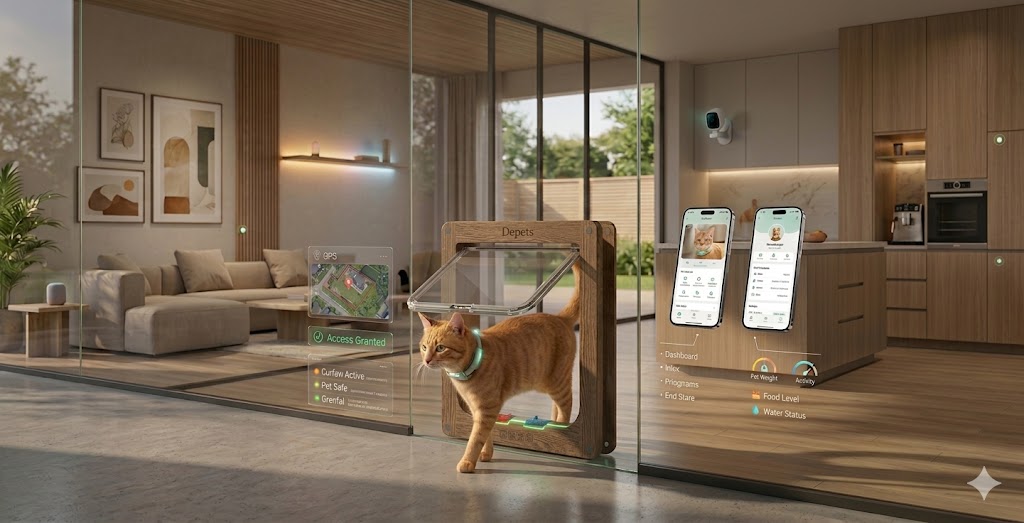
- Smart Home Integration: Pairing emotional wearables with smart home systems—automatically dimming lights, playing calming music, or activating a pheromone diffuser when the dog's stress level rises.
- Multi-Pet Coordination: In multi-dog households, networked wearables could detect when social tension is building between animals and intervene before conflict occurs.
- Feline Applications: While current devices focus on dogs, the underlying biosignal technology is being adapted for cats—where stress detection is even more critical because cats mask illness and pain far more effectively than dogs.
The Bottom Line
Emotional intelligence wearables represent the most significant evolution in pet tech since GPS tracking. By moving from "what is my pet doing?" to "how is my pet feeling—and what can I do about it right now?", these devices offer pet parents a genuinely new capability. The technology is early but the direction is clear: the future of pet care is proactive, personalized, and emotionally aware.