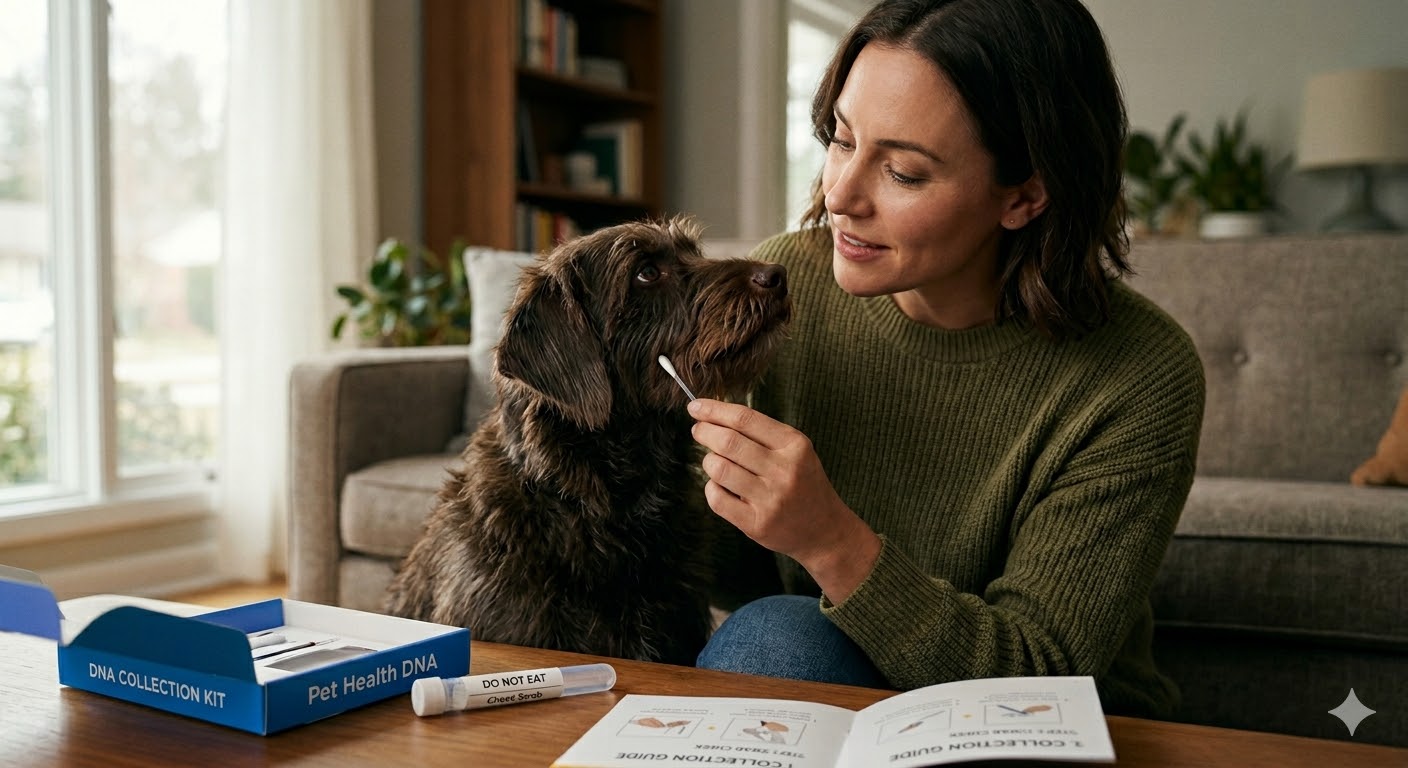

The One Health framework — endorsed by the WHO, CDC, AAHA, and AVMA — recognizes that human, animal, and environmental health are interconnected systems, not separate disciplines. In the pet care context, this means zoonotic disease risks, owner mental health, stress contagion, and shared activity patterns all directly influence pet welfare outcomes — and vice versa. Coordinated family wellness plans that address both species reduce preventable illness by up to 40% according to 2025 AAHA guidelines.
What Is the One Health Framework and Why Should Pet Owners Care?
One Health was formalized by the World Health Organization (WHO) and Centers for Disease Control and Prevention (CDC) to address disease at the human-animal-environment interface. The 2025–2026 AAHA Guidelines now explicitly recommend that veterinarians assess household-level health factors during wellness visits — a landmark shift from treating pets in clinical isolation.
The premise is clinically straightforward: a pet's health cannot be fully understood or optimized without considering its human family. Owner stress levels, household activity patterns, family health conditions, and environmental exposures all influence pet health outcomes — and the relationship is bidirectional.
- ✓Pets in households with untreated owner depression show 2.3× higher obesity rates and increased behavioral disorders (Journal of Veterinary Behavior, 2025).
- ✓Zoonotic diseases account for 6 out of every 10 infectious diseases in humans, per the CDC — and most originate from routine household animal contact.
- ✓Coordinated exercise routines (30 min daily walks) reduce cardiovascular risk in both humans and dogs by 20–30%, per the American Heart Association.
- ✓The AVMA now classifies 'owner health literacy' as a primary determinant of pet welfare outcomes in multi-pet households.
Key Statistic
The CDC estimates that 6 out of every 10 infectious diseases in humans are zoonotic — transmitted between animals and people. Most pet-related zoonotic infections are preventable through routine deworming, vaccination, and basic hygiene protocols.
What Zoonotic Risks Should Every Pet Family Know About?
Zoonotic diseases — infections that transfer between animals and humans — are far more common than most pet owners realize. Understanding household-specific risk factors is the first step in the One Health prevention protocol:
| Disease | Source | At-Risk Groups | Prevention Protocol |
|---|---|---|---|
| Ringworm | Dogs, cats (dermatophytes) | Children, immunocompromised | Routine screening, topical/oral treatment |
| Leptospirosis | Dogs (wildlife water contact) | All household members | Canine vaccination, avoid stagnant water |
| Toxoplasmosis | Cats (litter box oocysts) | Pregnant women, immunocompromised | Gloves for litter duty, keep cats indoors |
| Hookworm / Roundworm | Dogs, cats (fecal-oral) | Children (soil/sandbox contact) | Monthly deworming per CAPC guidelines |
| Salmonella | Raw diets, reptiles, poultry | All household members | FDA food handling protocols, avoid raw feeding |
| MRSA | Dogs, cats (skin/wound contact) | Immunocompromised, healthcare workers | Wound hygiene, veterinary culture screening |
CAPC Recommendation
The Companion Animal Parasite Council (CAPC) recommends year-round broad-spectrum parasite prevention for all dogs and cats — not just during warm months. This single protocol addresses hookworm, roundworm, heartworm, and flea/tick-borne zoonotic risks simultaneously.
How Does Owner Health Directly Impact Pet Welfare?
The One Health framework identifies four owner health domains that measurably affect pet care quality. These are not theoretical concerns — they are the leading causes of preventable pet health decline in U.S. households:
| Owner Health Factor | Impact on Pet | One Health Intervention |
|---|---|---|
| Depression / Anxiety | Reduced exercise, inconsistent feeding, missed vet visits | Bidirectional monitoring, automated feeding systems |
| Physical Disability | Inadequate grooming, exercise, emergency transport | Adaptive care plans, mobility-friendly pet gear |
| Cognitive Decline (Aging) | Forgotten medications, double-feeding, missed symptoms | Medication reminders, family caregiver designation |
| Chronic Illness / Immunosuppression | Elevated zoonotic risk, reduced hygiene capacity | Adjusted protocols per CDC immunocompromised guidelines |
How Does Stress Contagion Work Between Pets and Owners?
Stress contagion — the measurable transfer of stress hormones between cohabitating species — is one of the most well-documented phenomena in One Health research. A landmark 2019 Scientific Reports study demonstrated that cortisol levels in dogs synchronize with their owners over time, with stronger correlation in owner-dog pairs with closer emotional bonds.
- ✓Chronic owner stress elevates baseline cortisol in dogs by 15–30%, increasing risk of immune suppression, GI disorders, and behavioral problems.
- ✓Dogs in high-conflict households show cortisol patterns indistinguishable from dogs in shelter environments — a finding that reframes 'behavioral problems' as environmental health responses.
- ✓Cats exhibit stress contagion differently: rather than cortisol synchronization, they respond to household tension with urinary tract inflammation (feline idiopathic cystitis), over-grooming, and appetite suppression.
- ✓The AAHA now recommends that veterinarians ask about household stress levels during behavioral consultations — treating the environment, not just the animal.
Related Resource
Learn more about the science of emotional transfer in our Stress Contagion Between Pets & Owners guide — including cortisol mapping studies and household intervention protocols.
How Do You Build a One Health Family Wellness Plan?
A clinical-grade One Health wellness plan coordinates human and animal care across four interconnected domains. The AAHA and AVMA recommend implementing all four for maximum preventive impact:
- 1Shared activity goals — Design walking and play schedules that meet both human and pet exercise requirements. A 30-minute daily walk reduces cardiovascular risk in humans by 20% (AHA) and obesity risk in dogs by 35% (AAHA). Track both simultaneously.
- 2Annual zoonotic risk assessment — Review household risk factors every 12 months based on pet species, family composition (children under 5, elderly, immunocompromised members), geographic location, and environmental exposures. Adjust deworming, vaccination, and hygiene protocols accordingly.
- 3Contingency care planning — Designate backup caregivers, document all medication schedules, ensure veterinary records and emergency contacts are accessible to at least two family members. This is the most neglected domain — and the one most likely to cause acute pet welfare failure.
- 4Bidirectional health monitoring — Track both owner and pet wellness indicators to identify stress contagion patterns, shared environmental exposures (mold, toxins, allergens), and coordinated intervention opportunities. Use your vet's wellness scoring alongside your own health check-ups.
Which Households Need One Health Protocols Most?
While every pet-owning household benefits from One Health awareness, certain family compositions carry significantly elevated risk profiles that require proactive protocol implementation:
- ✓Families with children under 5 — Children in this age group have the highest rates of parasitic zoonotic infection due to soil contact, hand-to-mouth behavior, and close physical contact with pets. Monthly deworming and hand hygiene education are non-negotiable.
- ✓Immunocompromised individuals — Cancer patients, organ transplant recipients, HIV-positive individuals, and those on immunosuppressive medications face life-threatening risk from routine zoonotic pathogens. The CDC publishes specific pet care guidelines for this population.
- ✓Aging pet owners living alone — Cognitive and physical decline can silently degrade pet care quality over months. The AVMA recommends designated family check-ins and veterinary-geriatric care coordination for owners over 75.
- ✓Multi-pet households with outdoor access — Each additional pet multiplies zoonotic exposure vectors. Outdoor cats and dogs with wildlife contact require stricter parasite protocols per CAPC guidelines.
Frequently Asked Questions About One Health Family Wellness
What Should You Do Next?
Start by assessing your household's zoonotic risk profile — consider family composition, pet species, outdoor exposure, and any immunocompromised members. Ensure all pets are current on vaccinations and year-round parasite prevention per CAPC guidelines. Schedule a wellness visit and ask your veterinarian to incorporate household health factors into your pet's care plan — the AAHA now recommends this as standard practice. For families managing stress or mental health challenges, explore our Stress Contagion guide to understand how your emotional wellbeing directly shapes your pet's health outcomes.