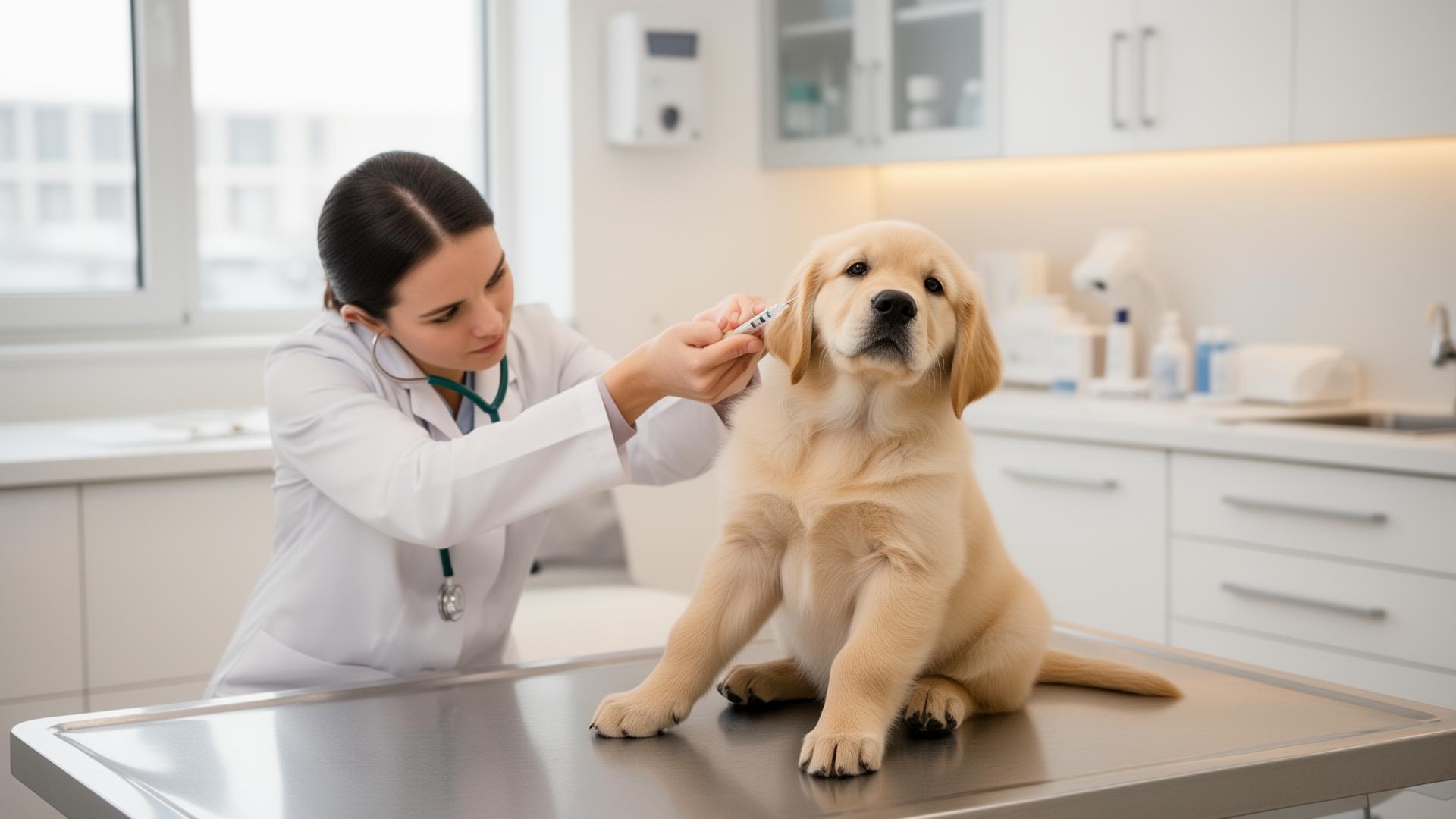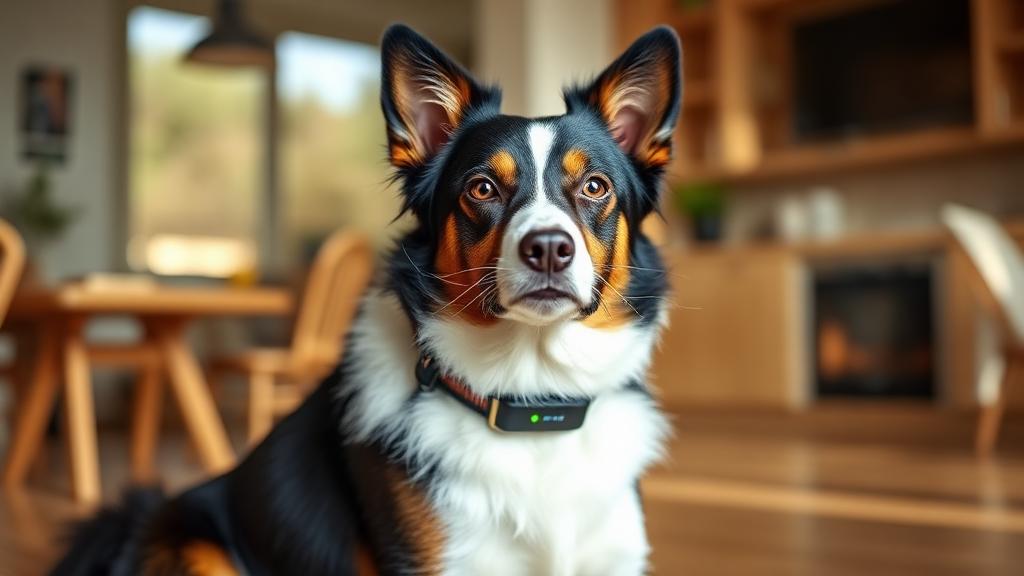
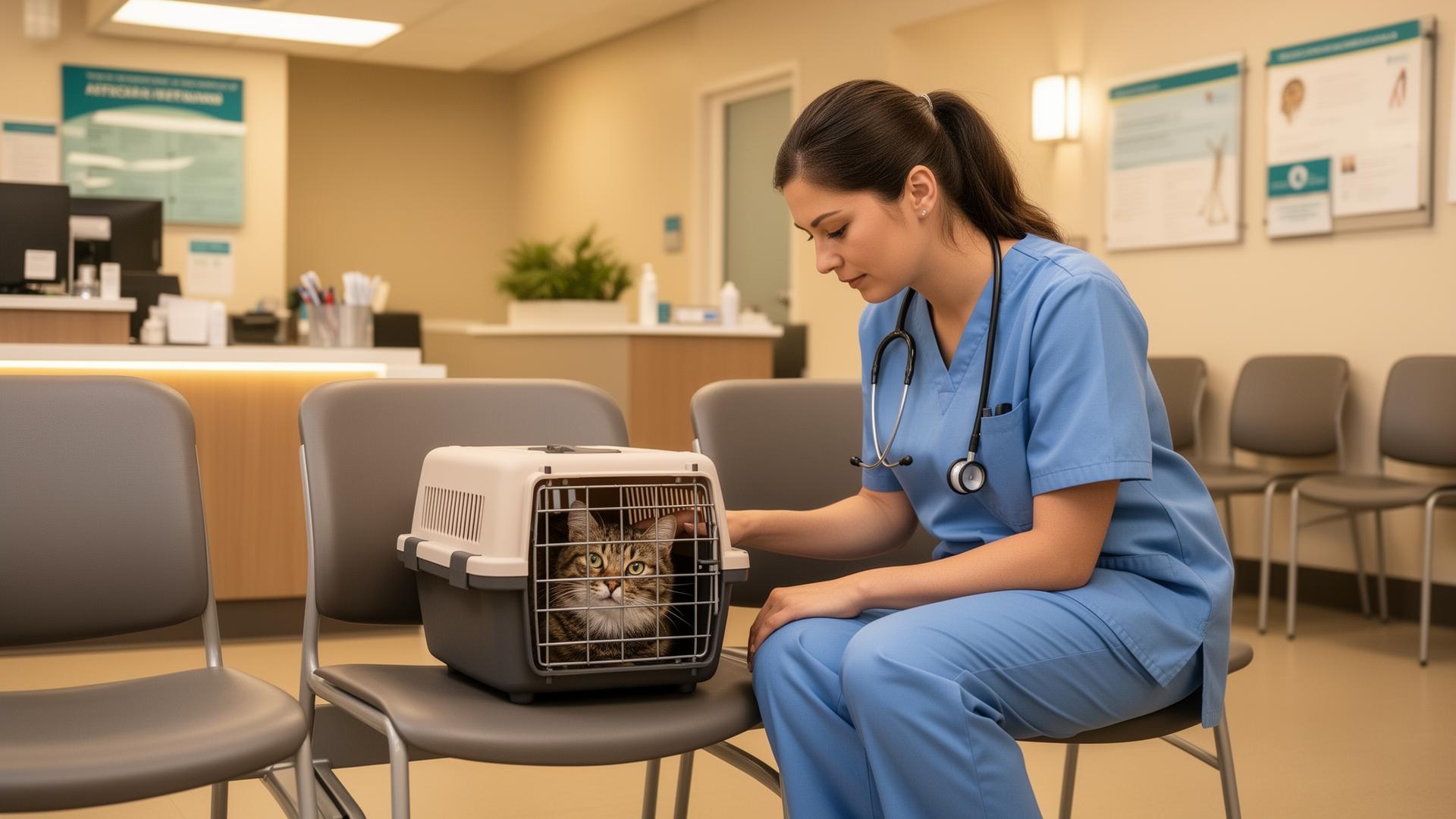
Prepared pet owners report 40% fewer missed diagnoses according to a 2025 AAHA client communication study. The three essentials for every vet visit are: a written symptom log, a complete medication list, and specific questions prepared in advance. Studies show that owners who bring documentation to appointments receive more thorough examinations and more accurate diagnoses than those who rely on memory alone.
What Should You Bring to Every Vet Appointment?
A well-prepared visit starts before you leave home. The AVMA recommends assembling a "vet visit kit" that you update between appointments:
- ✓Symptom diary — Note when symptoms started, frequency, triggers, and any changes in eating/drinking/elimination patterns. Include photos or videos of intermittent symptoms.
- ✓Current medication list — Include prescriptions, supplements, flea/tick/heartworm preventatives, and any OTC products. Note dosages and schedules.
- ✓Vaccination records — Especially if visiting a new clinic or specialist. Digital copies on your phone work.
- ✓Food and treat log — What brand and formula your pet eats, how much per day, and all treats/supplements. This helps assess diet-related issues.
- ✓Insurance/wellness plan details — Have your policy number and coverage summary ready to streamline billing.
- ✓A secure carrier or leash — Cats should always be in carriers. Dogs should be on a short leash, not a retractable one.
What Questions Should You Ask Your Veterinarian?
Most pet owners leave the vet with unanswered questions they didn't think to ask. The AAHA recommends preparing at least 3–5 questions before every visit. Here are the most valuable ones by visit type:
Wellness Exams
- →Is my pet at an ideal weight? What's their Body Condition Score?
- →Are all vaccinations current, or can we titer-test instead?
- →What breed-specific screenings should we schedule?
- →Are there any early warning signs I should watch for at this age?
Sick Visits
- →What are the most likely diagnoses, and how do we confirm?
- →What happens if we wait vs. treat now?
- →Are there less expensive diagnostic or treatment alternatives?
- →When should I bring them back if symptoms don't improve?
Senior Pet Visits
- →Should we run a senior bloodwork panel?
- →How do we assess pain levels and quality of life?
- →Are there mobility aids or environmental changes that would help?
- →What are realistic expectations for this condition at their age?
How to Reduce Your Pet's Anxiety at the Vet
Veterinary anxiety affects an estimated 78% of dogs and 84% of cats (2024 Fear Free survey). Chronic vet anxiety can lead to deferred care—which is far more dangerous than the stress itself. Evidence-based strategies include:
- ✓Happy visits — Take your pet to the vet just for treats and positive experiences (no procedures). Most Fear Free-certified clinics welcome these visits.
- ✓Pheromone therapy — Adaptil (dogs) and Feliway (cats) sprayed in the carrier 30 minutes before travel reduce stress hormones by up to 30%.
- ✓Pre-visit medication — For severely anxious pets, gabapentin (cats) or trazodone (dogs) prescribed 90 minutes before the visit significantly reduces fear responses.
- ✓Carrier training — Leave carriers open at home as a resting spot. Feed treats and meals inside so the carrier isn't associated exclusively with vet visits.
- ✓Choose Fear Free clinics — Fear Free-certified practices use low-stress handling techniques, separate dog/cat waiting areas, and non-slip exam surfaces.
Key Takeaway
Pets who experience chronic vet anxiety are 3x more likely to have delayed diagnoses because owners avoid scheduling appointments. Fear Free certification has been shown to reduce patient stress scores by 50% while improving diagnostic accuracy.
Your Vet Visit Preparation Checklist
Use this interactive checklist to ensure you're fully prepared before your next vet appointment. Check off each item as you gather materials and prepare questions.
Vet Visit Prep Checklist
Prepare for your vet appointment with this interactive checklist.
Progress
0/16 completed
0%
Before the Visit
0/5What to Bring
0/5Questions to Ask
0/6Frequently Asked Questions About Vet Visits
What Should You Do Next?
Before your next vet visit, use the checklist above to gather all necessary documents and prepare your questions. If your pet shows signs of vet anxiety, start carrier training today and ask your vet about pre-visit anti-anxiety medication at your next appointment. For pets over 7 years old, request a comprehensive senior wellness panel to establish baselines. And remember: a 15-minute appointment goes much further when you arrive prepared.