Insufficient exercise is the root cause of 80% of behavioral problems in dogs, according to veterinary behaviorists. Exercise requirements vary by up to 400% between breeds, making breed-appropriate activity plans essential for both physical and mental health.
What Are the Exercise Requirements by Breed Group?
| Group | Examples | Daily Exercise | Intensity |
|---|---|---|---|
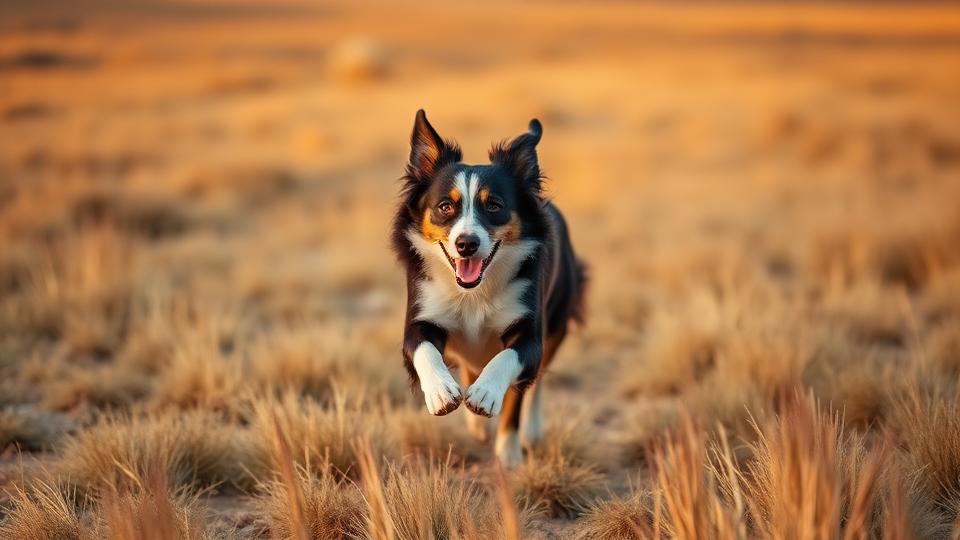
| Herding | Border Collie, Aussie, Corgi | 90–120+ min | High (needs mental work) |
| Sporting | Lab, Golden, Springer | 60–120 min | High (loves fetch/swim) |
| Terrier | Jack Russell, Bull Terrier | 60–90 min | High (short intense bursts) |
| Working | Husky, Rottweiler, Boxer | 60–120 min | Moderate–High |
| Toy | Chihuahua, Pomeranian | 30–45 min | Low–Moderate |
| Brachycephalic | Bulldog, Pug, Frenchie | 20–30 min | Low (heat/breathing risk) |
How Should Exercise Change with Age?
- Puppies (under 1 year) — 5 minutes of exercise per month of age, twice daily. Avoid sustained running on hard surfaces to protect developing growth plates
- Adults (1–7 years) — Follow breed-specific guidelines above. The AKC recommends combining physical exercise with mental enrichment
- Seniors (7+ years) — Reduce intensity but maintain frequency. Shorter, gentler walks with more sniff time. Swimming is ideal low-impact exercise
Important Notice
This article is for informational purposes only. Consult your veterinarian before starting an exercise program, especially for dogs with heart conditions, joint disease, or brachycephalic breeds.
Frequently Asked Questions
0 likes