
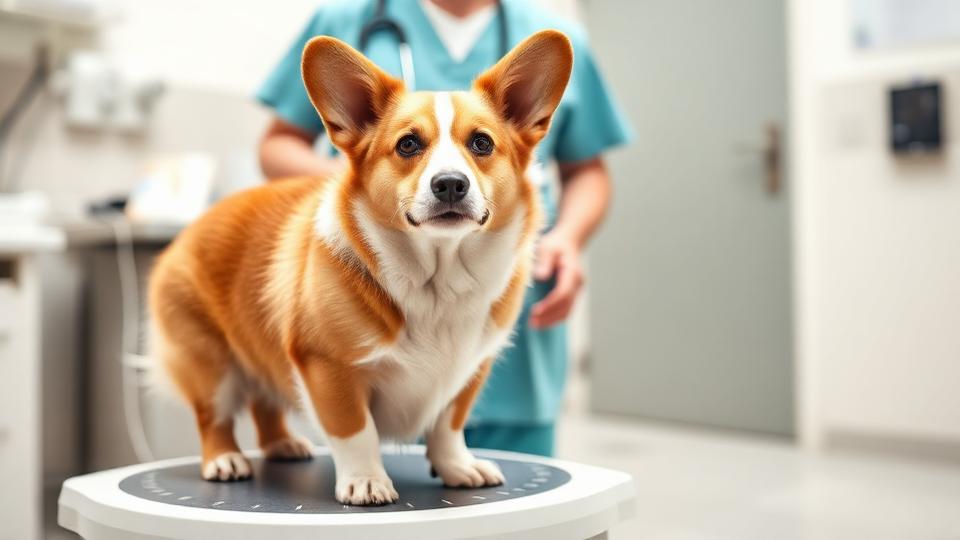
The Association for Pet Obesity Prevention reports that 59% of dogs in the U.S. are overweight or obese — yet 95% of owners of overweight dogs believe their pet is a normal weight. Excess weight reduces a dog's lifespan by an average of 2.5 years and dramatically increases risk for diabetes, arthritis, heart disease, and certain cancers.
Body Condition Score: The Rib Test
| BCS | Description | Action |
|---|---|---|
| 1–3/9 | Underweight: ribs, spine visible | Increase calories; rule out illness |
| 4–5/9 | Ideal: ribs easily felt, visible waist | Maintain current plan |
| 6–7/9 | Overweight: ribs hard to feel, waist disappearing | Reduce 10–15% of calories |
| 8–9/9 | Obese: fat deposits, no waist, belly sag | Veterinary weight loss plan required |
Calculating Your Dog's Calorie Needs
The Resting Energy Requirement (RER) formula is: RER = 70 × (ideal body weight in kg)^0.75. Multiply RER by a factor based on your dog's needs:
- Weight loss: RER × 1.0 (feed for ideal weight, not current weight)
- Neutered adult: RER × 1.6
- Active dog: RER × 2.0–5.0
- Growing puppy: RER × 3.0 (under 4 months), × 2.0 (4–12 months)
Health Risks of Canine Obesity
Obesity is not cosmetic — it's a disease state with cascading medical consequences:
- Osteoarthritis — Overweight dogs are 3.5× more likely to develop joint disease
- Type 2 Diabetes — Excess body fat creates insulin resistance
- Respiratory compromise — Fat deposits restrict lung expansion
- Reduced lifespan — The landmark Purina Life Span Study showed lean dogs lived 1.8–2.5 years longer
Important Notice
This article is for informational purposes only. Always consult your veterinarian before starting a weight management program for your dog, especially if they have underlying health conditions.