
Why Is the Veterinary Industry Shifting from Lifespan to Healthspan?
Advances in veterinary medicine have successfully extended pet lifespans—but not always quality of life. A dog that lives to 14 with 4 years of arthritis pain, cognitive confusion, and declining mobility has a healthspan of only 10. The gap between lifespan and healthspan is where modern veterinary medicine is now focusing its attention.
The American Animal Hospital Association (AAHA) 2025–2026 guidelines explicitly advocate for a "healthspan-first" approach, recommending that preventive care protocols prioritize functional capacity, pain management, and cognitive health alongside traditional disease screening.
What Are the Five Pillars of Healthspan Optimization?
1. Weight Management (BCS 4–5/9)
The single most impactful healthspan intervention is maintaining ideal body weight. A landmark Purina study demonstrated that dogs maintained at ideal body condition lived 1.8 years longer than their overweight littermates—and those extra years were healthier, with later onset of chronic disease. Target a Body Condition Score of 4–5 on a 9-point scale.
2. Early Detection Screening
The AAHA recommends biannual wellness exams for pets over 7, including:
- Complete blood count (CBC) and chemistry panel to detect organ dysfunction before clinical signs
- Urinalysis to screen for early kidney disease (especially in cats)
- Blood pressure measurement to detect hypertension
- Thyroid screening (T4 in cats, free T4 in dogs)
- Orthopedic and neurological assessment to establish mobility baselines
3. Cognitive Enrichment
Canine Cognitive Dysfunction (CCD) affects 28% of dogs aged 11–12 and 68% of dogs over 15. Like Alzheimer's in humans, early intervention slows progression. Evidence-based cognitive enrichment includes:
- Food puzzle toys that require problem-solving
- Novel environment exposure (new walking routes, social interactions)
- Training new commands—learning builds new neural pathways at any age
- Nutritional support: medium-chain triglycerides (MCTs), antioxidants, omega-3 fatty acids
4. Proactive Pain Management
Pets are masters at hiding pain—it's a survival instinct. By the time an owner notices limping, the underlying condition (typically osteoarthritis) has been progressing for months or years. Healthspan-focused protocols include:
- Behavioral pain screening at every wellness visit using validated tools like the Canine Brief Pain Inventory
- Multi-modal analgesia combining NSAIDs, joint supplements, weight management, and physical rehabilitation
- Environmental modification—ramps, orthopedic beds, non-slip surfaces
5. Dental Care
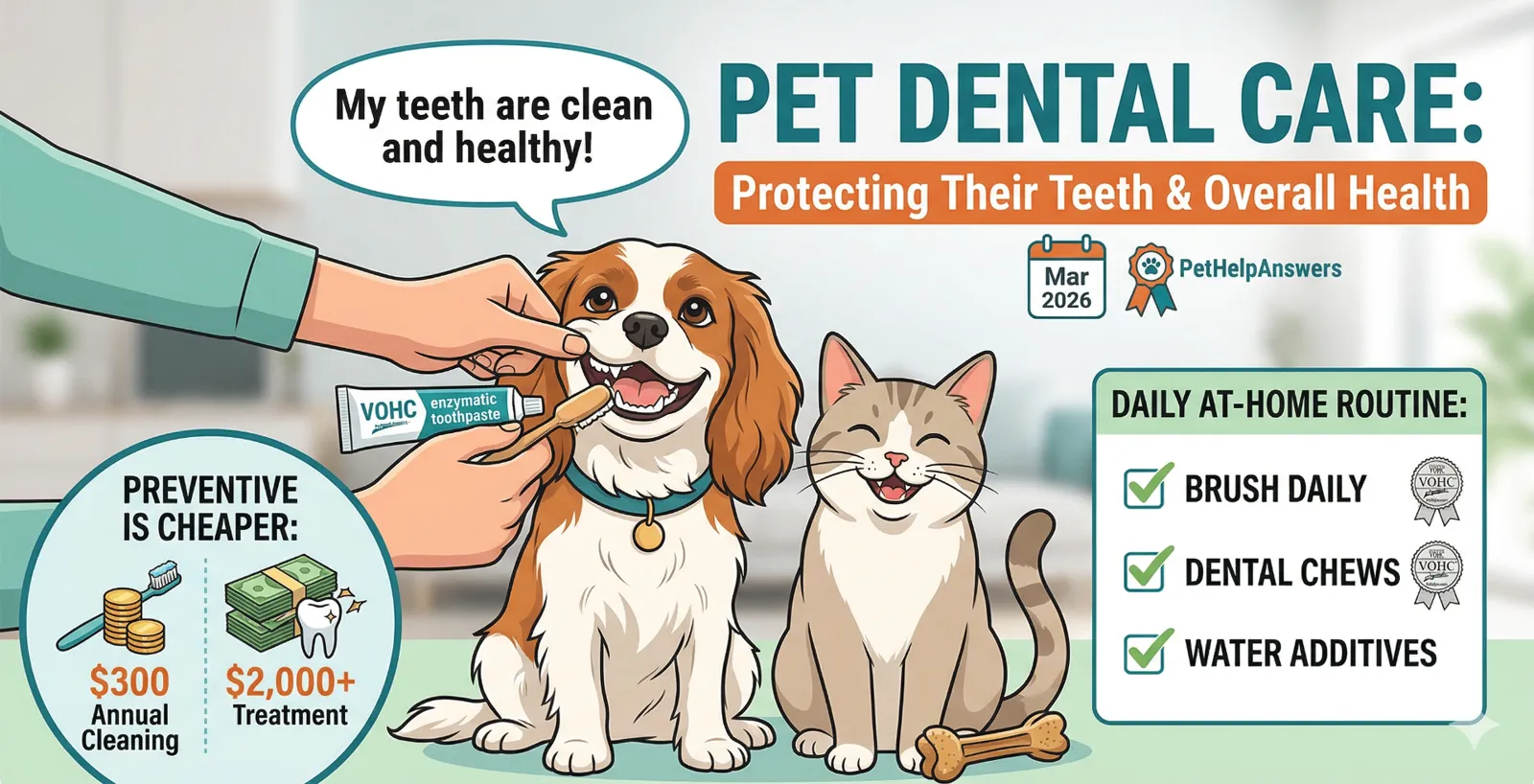
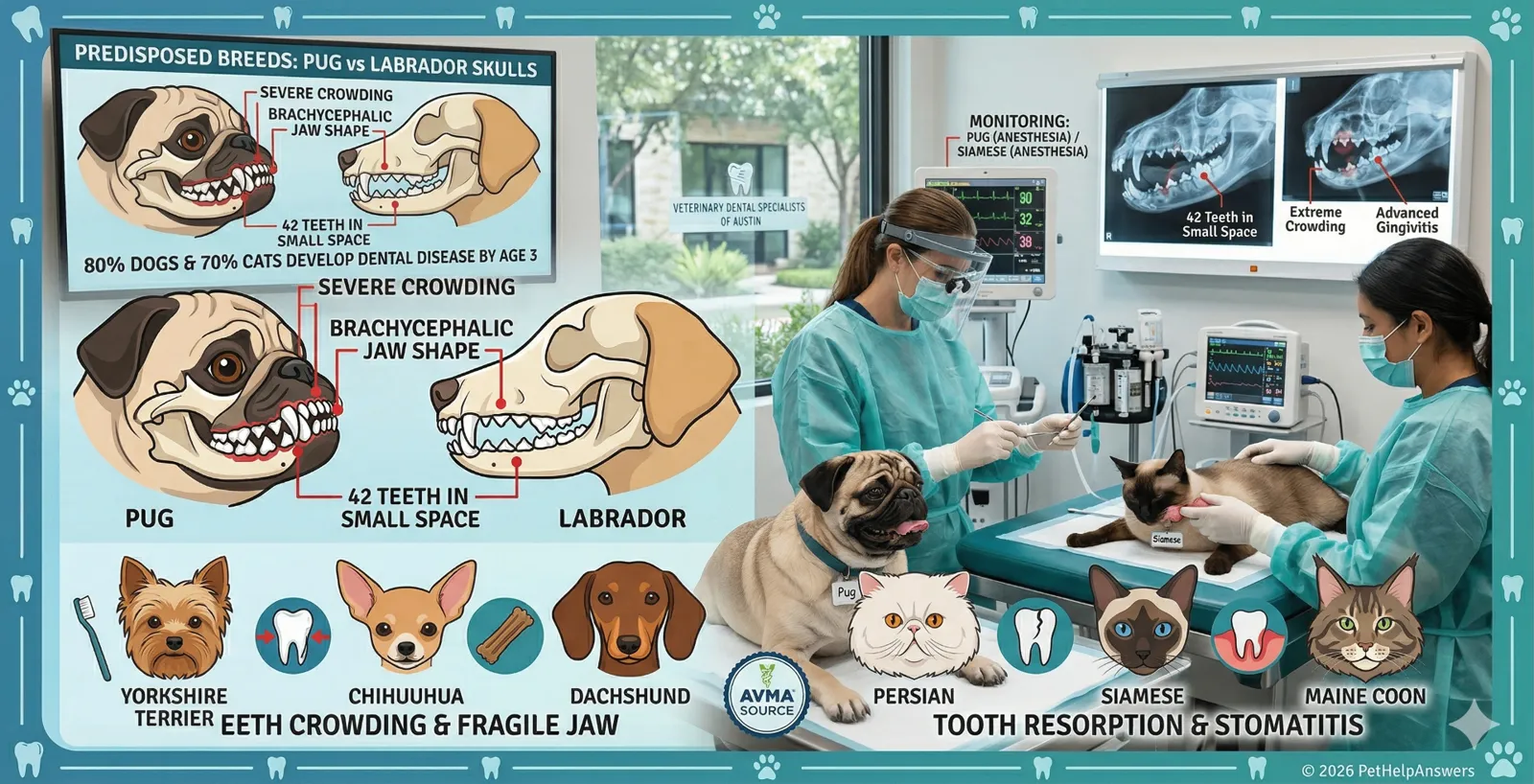
80% of dogs show signs of dental disease by age 3. Chronic periodontal disease creates a constant inflammatory load that accelerates systemic aging. Annual professional dental cleanings combined with daily home care (brushing, dental chews) reduce this burden and contribute directly to healthspan.
How Do You Measure Healthspan Over Time?
Unlike lifespan—which is a single number—healthspan requires longitudinal tracking across multiple domains:
| Domain | What to Track | Frequency |
|---|---|---|
| Mobility | Gait quality, stair ability, play engagement | Monthly |
| Cognition | Orientation, sleep-wake cycle, social interaction | Monthly |
| Pain | Behavioral pain markers, activity levels | Bi-weekly |
| Body Condition | Weight, BCS, muscle mass | Monthly |
| Bloodwork | CBC, chemistry, urinalysis | Every 6 months (7+ years) |
The Bottom Line
Adding years to your pet's life is meaningless if those years are spent in pain, confusion, or disability. The healthspan paradigm—endorsed by AAHA, AVMA, and leading veterinary internists—focuses on maximizing functional, pain-free years through proactive monitoring, early intervention, and lifestyle optimization. The best time to start a healthspan protocol is today.