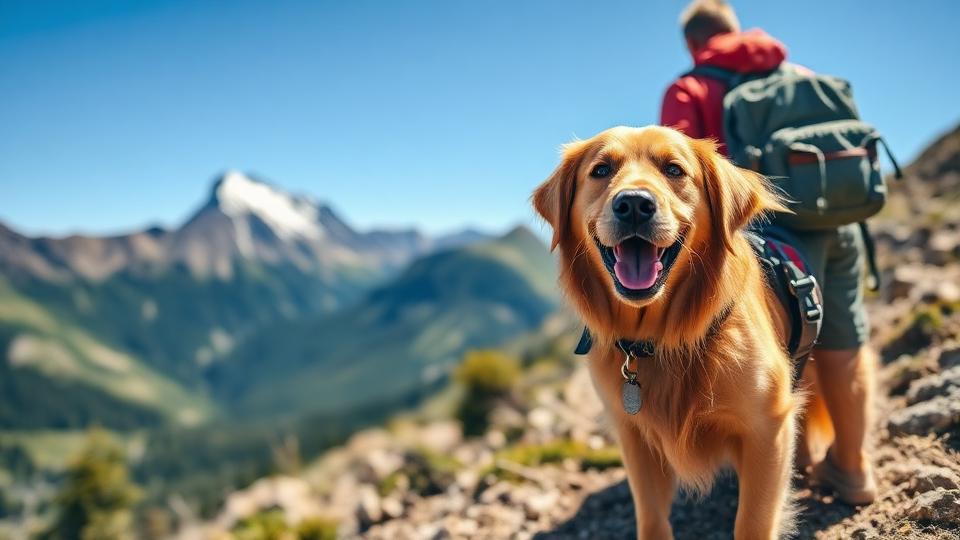
Over 44% of dog owners take their dogs on outdoor adventures, but most aren't prepared for trail-specific hazards according to the American Hiking Society. From leptospirosis in standing water to foxtail grass injuries and wildlife encounters, outdoor recreation requires specific preparation that goes beyond a leash and water bowl.
What Hiking Gear Does Your Dog Need?
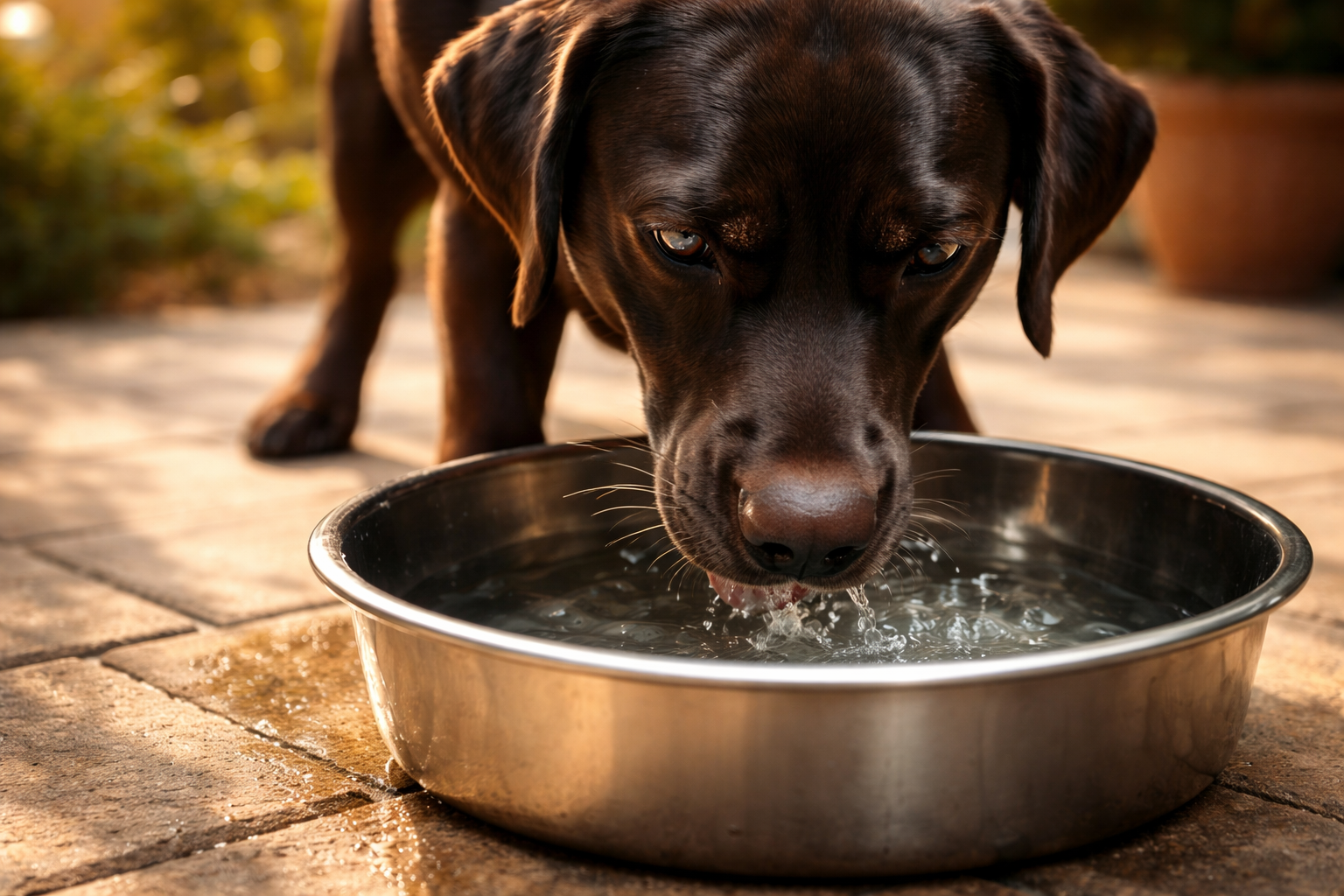
- Collapsible water bowl + 1 oz water per lb body weight per hour
- Dog-specific first aid kit — styptic powder, gauze, tick remover, antihistamine (vet-approved dose)
- Paw protection — dog boots or paw wax for rough/hot terrain
- Reflective or GPS-enabled collar for visibility and tracking
- Waste bags — Leave No Trace principles apply to dog waste on trails
What Trail Hazards Should Dog Owners Watch For?
| Hazard | Risk | Prevention |
|---|---|---|
| Standing water | Leptospirosis, giardia | Bring your own water; prevent drinking from puddles. AVMA recommends lepto vaccination |
| Foxtail grass | Embedded seeds in ears, paws, nose | Avoid dry grass areas; check paws after every hike |
| Snakes | Venomous bites | Keep on trail, on leash. Learn snake avoidance training |
| Toxic plants | Ingestion poisoning | Reliable "leave it" command; know local toxic species per ASPCA database |
What Is Proper Trail Etiquette with Dogs?
- Keep your dog on a 6-foot leash unless the trail explicitly allows off-leash
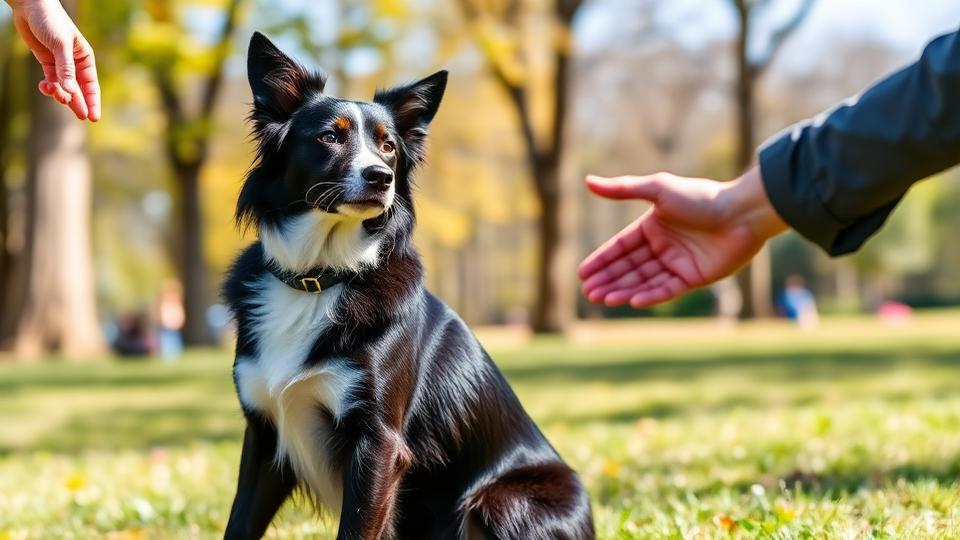
- Yield to horses and hikers without dogs — step off trail and have your dog sit
- Pack out all waste — even in wilderness areas (Leave No Trace principle #3)
Important Notice
This article is for informational purposes only. Check trail regulations for dog access before heading out. Some national parks prohibit dogs on trails entirely. Consult your veterinarian about vaccinations and parasite prevention before outdoor adventures.
Frequently Asked Questions
0 likes