A dog with reliable basic commands is 80% less likely to be involved in a preventable accident, according to the Association of Professional Dog Trainers (APDT). These 7 foundation commands aren't obedience tricks — they're safety protocols that form the communication bridge between you and your dog in every real-world scenario.
The 7 Essential Commands in Training Order
1. Sit
Why: The foundation for all other commands. 'Sit' replaces jumping, begging, and rushing through doors.
How: Hold a treat above the dog's nose, move it backward over their head. The moment their bottom touches the ground, mark ('yes!') and reward.
2. Stay
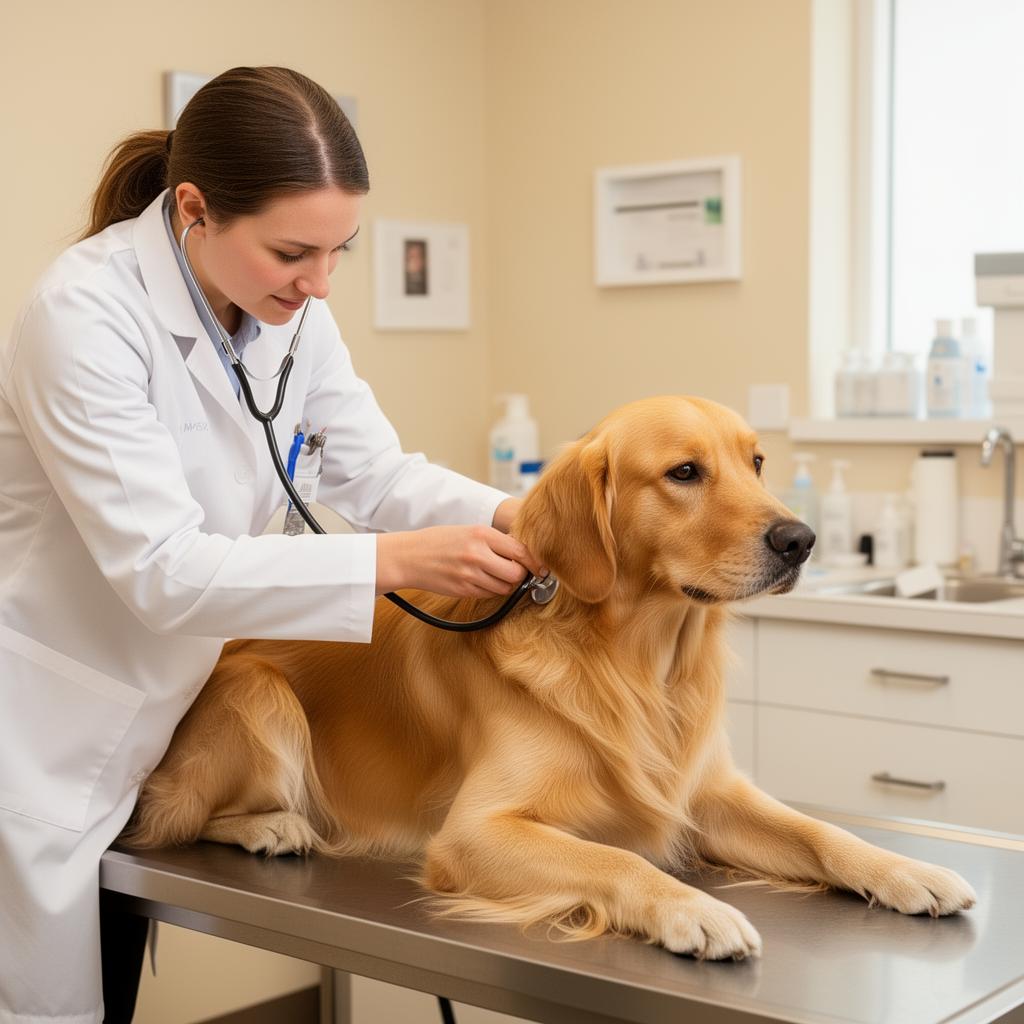
Why: Prevents your dog from running into danger. Essential for vet visits and grooming.
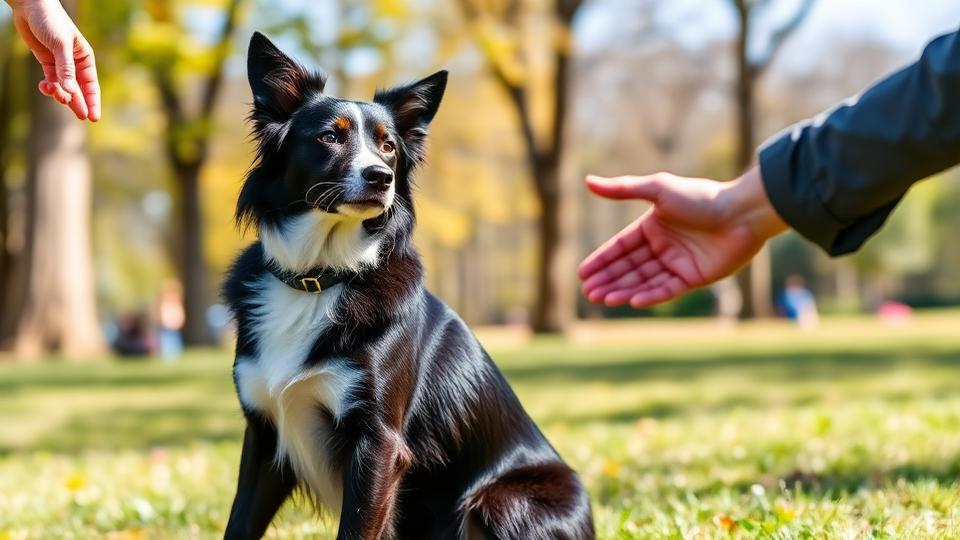
How: Ask for 'sit,' then add an open-palm hand signal. Reward for 1 second, then 3, then 5. Build duration before distance.
3. Come (Recall)
Why: The single most important safety command. Can prevent fatal traffic encounters.
How: Start in a low-distraction environment. Use an excited voice. Reward lavishly every time. Never call your dog to you for punishment.
4. Leave It
Why: Prevents ingestion of toxic foods, chemicals, and dangerous objects.
How: Close a treat in your fist. When the dog stops trying to get it, mark and reward from your OTHER hand. Progress to treats on the floor.
5. Down
Why: A calming position that helps manage reactivity and settle in public spaces.
How: From 'sit,' lure the treat from the nose to the floor between the front paws. Mark the moment elbows touch the ground.
6. Drop It
Why: Releases dangerous items from the dog's mouth without a chase or struggle.
How: Trade: offer a higher-value treat in exchange for the object. Never chase — it becomes a game. Practice with low-value items first.
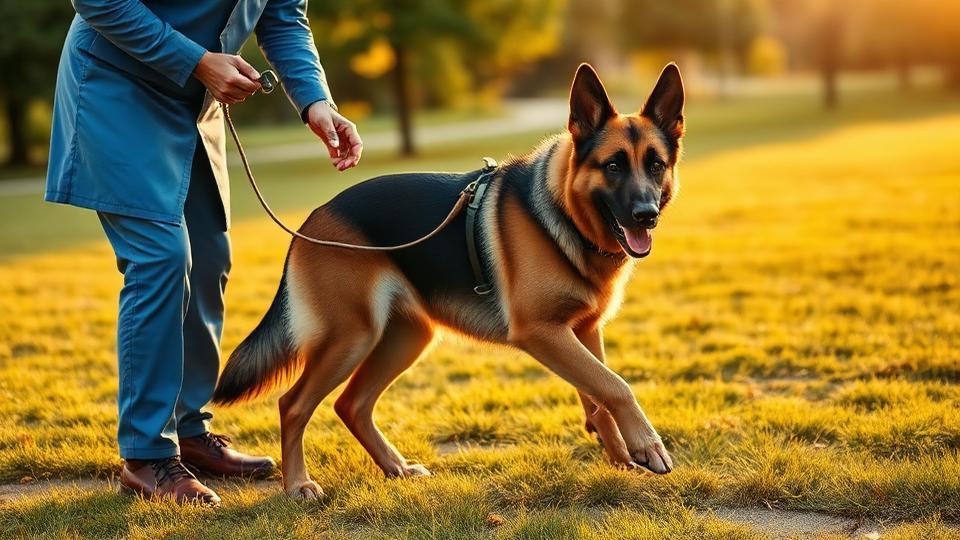
7. Heel / Loose Leash
Why: Prevents pulling-related injuries and makes walks safe near roads.
How: Reward your dog for walking at your side with a loose leash. Stop walking the instant the leash goes tight. Resume only when they return to your side.
The Science Behind Positive Reinforcement
The American Veterinary Society of Animal Behavior (AVSAB) position statement is clear: reward-based training is more effective and less harmful than aversive methods. Studies show that dogs trained with positive reinforcement learn faster, retain commands longer, and show fewer stress signals than dogs trained with corrections.
The key principle is timing: mark the desired behavior within 1–2 seconds using a clicker or verbal marker ("yes!"), then deliver the reward. This creates a clear association between the behavior and the consequence.
Proofing: Why Your Dog "Knows" Sit at Home but Not at the Park
Dogs don't generalize well. A "sit" learned in your kitchen is a completely different behavior to your dog at the park. Proofing means systematically practicing each command across the 3 D's:
- Duration — How long the dog holds the behavior
- Distance — How far you are from the dog
- Distraction — What's competing for the dog's attention
Only increase one variable at a time. If you add distance, lower the distractions. If you add distractions, reduce the duration. This prevents frustration for both you and your dog.
Important Notice
This article is for informational purposes only and is not a substitute for professional training advice. For dogs with aggression, fear, or severe behavioral issues, consult a certified professional dog trainer (CPDT-KA) or veterinary behaviorist (DACVB).