Housetraining is the #1 concern for new puppy owners, and it's also the area where bad advice causes the most damage. A puppy's bladder capacity in hours roughly equals their age in months plus one — so a 3-month-old puppy can hold it for about 4 hours maximum. Understanding this biology is the foundation of successful potty training.
The Potty Training Schedule by Age
| Age | Max Hold Time | Trips Outside/Day | Nighttime Breaks |
|---|---|---|---|
| 8 weeks | 1–2 hours | 10–12 | 2–3 |
| 10 weeks | 2–3 hours | 8–10 | 1–2 |
| 12 weeks | 3–4 hours | 6–8 | 0–1 |
| 4 months | 4–5 hours | 5–6 | 0 |
| 6 months | 6–7 hours | 4–5 | 0 |
The 5 Golden Rules of Potty Training
Take your puppy out immediately after waking, eating, drinking, and playing
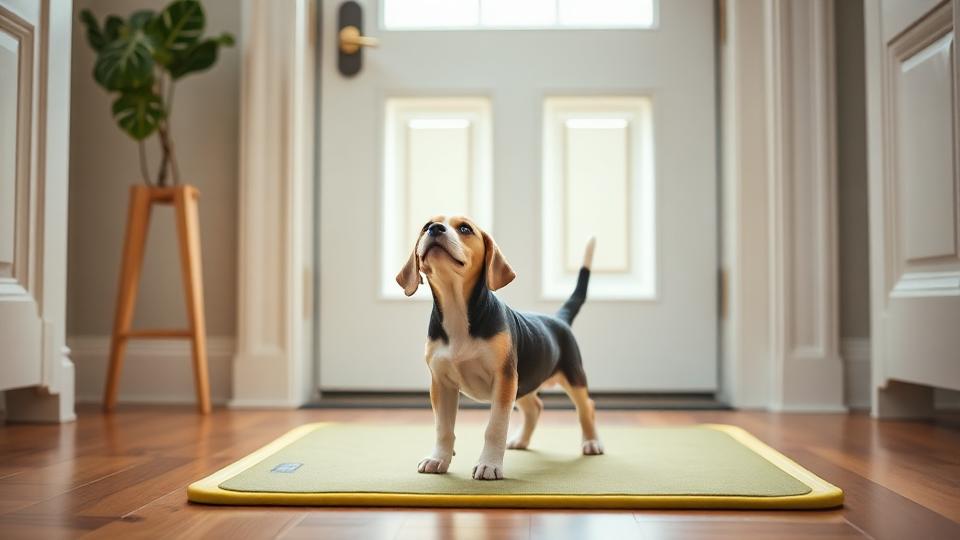
Use the same door, the same spot, and the same verbal cue ('go potty') every time
Wait outside with them — don't just open the door. Reward IMMEDIATELY after they finish
Supervise 100% of the time indoors. If you can't watch, crate them
Clean all indoor accidents with an enzymatic cleaner (not ammonia-based)
When Accidents Mean Something Medical
If a previously housetrained puppy suddenly starts having accidents, don't assume it's behavioral. Urinary tract infections (UTIs), gastrointestinal issues, and parasites are common medical causes of regression. See your vet if:
- Frequent urination with small amounts
- Straining or crying during elimination
- Blood in urine or stool
- Sudden regression after being reliable for weeks
Important Notice
This article is for informational purposes only and is not a substitute for professional veterinary advice. If your puppy has persistent housetraining issues, consult your veterinarian to rule out medical causes.