
Short Answer
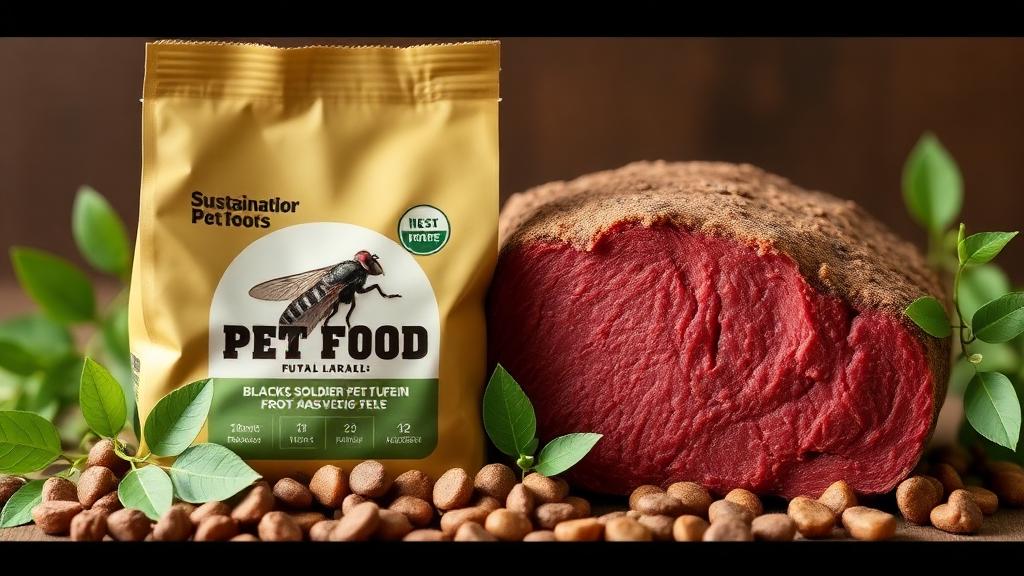
Yes, insect protein—specifically Black Soldier Fly (BSF) larvae—is a highly digestible, AAFCO-compliant "novel" protein source recommended by veterinary dermatologists for pets with chronic sensitivities to beef or chicken. It provides a complete amino acid profile while using up to 90% less land and 80% less water than traditional livestock.
For dog owners navigating the "allergy itch," this shift from niche ingredient to mainstream staple offers a clinically validated path to relief. The Association of American Feed Control Officials (AAFCO) has established the regulatory framework for BSF larvae in canine diets.
Why Is Black Soldier Fly Larvae Considered a "Novel" Protein for Dogs?
In veterinary dermatology, an allergy usually develops after repeated exposure to a common protein. Because most dogs have spent generations eating beef, chicken, or lamb, their immune systems are more likely to misidentify these proteins as threats.
What Makes It Hypoallergenic?
Black Soldier Fly larvae are biologically distinct from vertebrate proteins. Because most dogs have had zero previous exposure to insect-based amino acids, the immune system does not trigger an inflammatory response. This makes BSF larvae a "novel" protein—similar to venison or kangaroo in previous decades, but with superior scalability and nutritional density.
Key Takeaway
Insect protein is not just a "filler." It is a high-quality, complete protein that satisfies AAFCO nutritional adequacy standards while bypassing the most common allergens. The AVMA recognizes novel protein diets as a valid approach for food-allergy management.
How Digestible and Nutritious Is Insect Protein Compared to Beef?
BSF larvae provide a balanced profile of essential amino acids, minerals, and healthy fats (specifically lauric acid, which has antimicrobial properties). Clinical studies show digestibility rates exceeding 90%.
How Efficient Is Insect Farming vs. Traditional Livestock?
Insect farming is exceptionally efficient. The Land Savings Index (Ls) compared to beef:
Ls = (AreaBeef − AreaInsect) ÷ AreaBeef × 100
With BSF larvae requiring up to 90% less land and 80% less water, the environmental efficiency is nearly unmatched. Feed conversion efficiency exceeds 90%.
How Does Insect Protein Compare to Beef and Chicken? (2026 Data)
| Metric | Beef | Chicken | BSF Larvae (Insect) |
|---|---|---|---|
| Allergy Risk | High | High | Very Low |
| Digestibility | Moderate | High | Very High (90%+) |
| Land Use | 100% (Base) | 30% | 10% |
| Water Use | 100% (Base) | 40% | 20% |
| Amino Acid Profile | Complete | Complete | Complete |
What Questions Do Pet Owners Ask About Insect Protein?
When Should You Be Cautious About Insect Protein?
While insect protein is safe for the vast majority of dogs, there is a theoretical risk of cross-reactivity for pets with known shellfish allergies. Because insects are arthropods (like shrimp and lobster), they share similar chitin structures. If your dog has a rare, diagnosed allergy to shellfish, consult your DVM before a full dietary switch.
⚠ Caution
Insects and shellfish are both arthropods and share similar chitin protein structures. Dogs with a diagnosed shellfish allergy should consult their veterinarian before trying insect-based diets.
How Should You Start Your Dog on an Insect Protein Diet?
- 1Start Small: Use an insect-based "topper" to test palatability and initial digestive reaction.
- 2Consult Your DVM: Ensure the brand has AAFCO compliance and clinical substantiation.
- 3Monitor for 8–12 weeks: Allergy improvements typically take 2–3 months on a novel protein elimination diet.