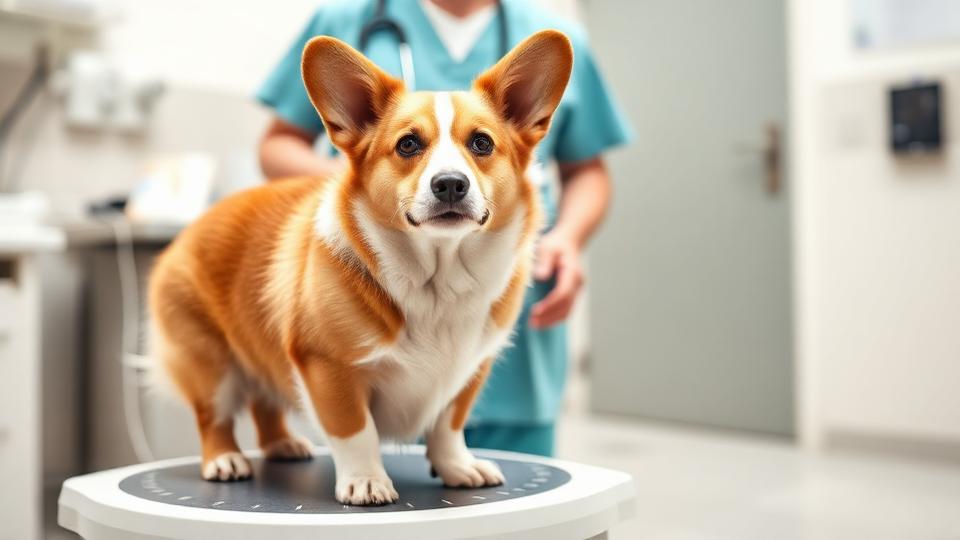
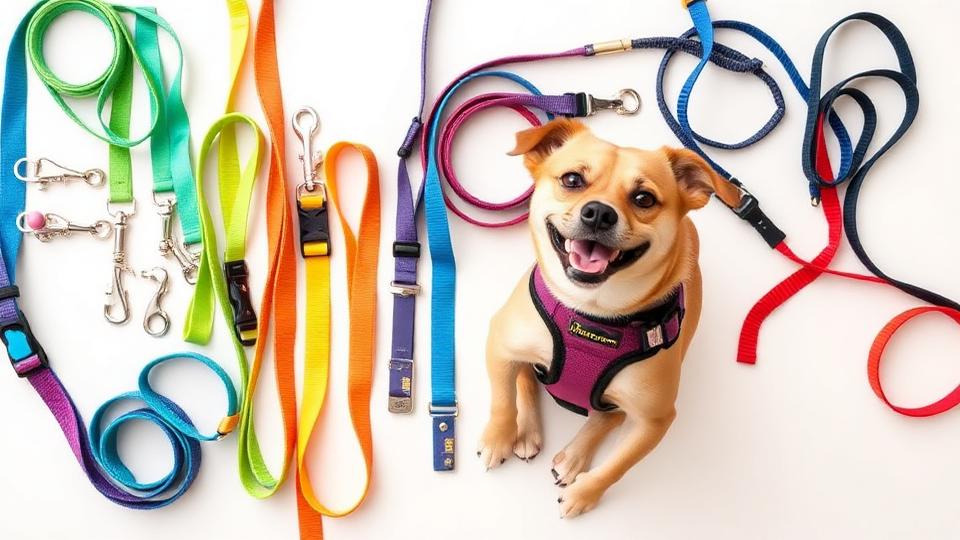
Tracheal collapse from collar pressure is one of the most common preventable injuries in small dogs, according to veterinary emergency clinicians. Switching from a collar to a front-clip harness reduces pulling by up to 60% without causing pain or requiring aversive corrections.
Which Harness Type Is Best for Your Dog?
| Type | Best For | Pull Reduction |
|---|---|---|
| Front-Clip Harness | Pullers, training | High (redirects momentum) |
| Back-Clip Harness | Small dogs, non-pullers | Low |
| Dual-Clip Harness | Training transition | Moderate–High |
| Head Halter | Strong pullers, reactivity | Very High (head control) |
What Walking Gear Should You Avoid?
- Retractable leashes — Associated with finger amputations, rope burns, and loss of control. The AVMA and most trainers recommend standard 6-foot leashes
- Choke chains & prong collars — The American Veterinary Society of Animal Behavior (AVSAB) advises against all aversive equipment. Associated with tracheal damage, neck injuries, and increased aggression
- Two-point rule — You should be able to fit two fingers under any collar or harness. Check fit weekly for growing puppies
Important Notice
This article is for informational purposes only. Consult a certified dog trainer (CPDT-KA) for personalized equipment recommendations based on your dog's specific needs and walking behavior.
Frequently Asked Questions
0 likes